High Tensile Galvanized Steel Wire
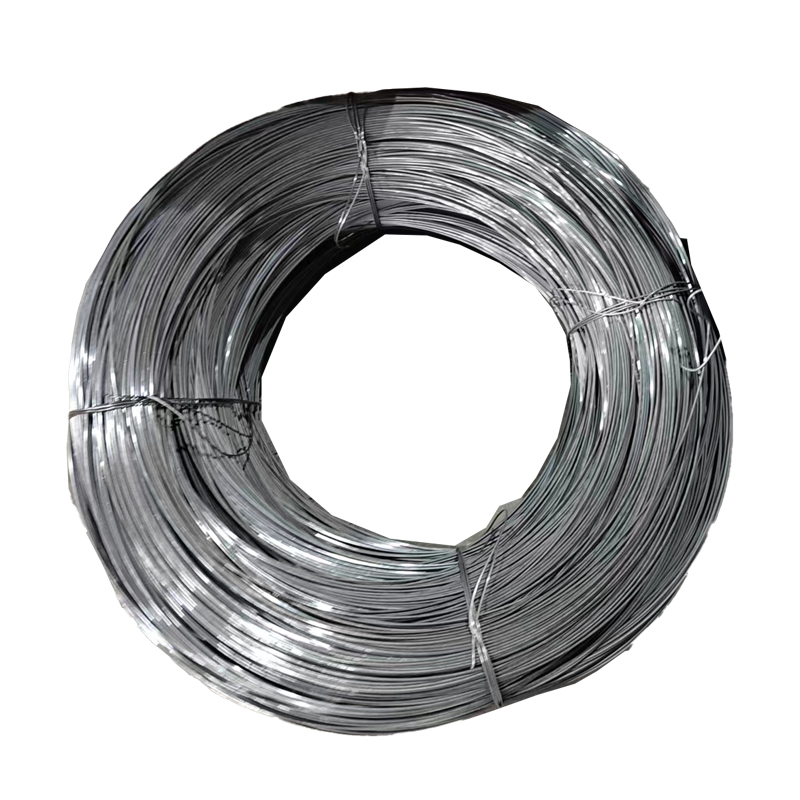
High Tensile Galvanized Steel Wire
High Tensile Galvanized Steel Wire is designed for applications requiring high tensile strength and resistance to stretching under load. Available in different wire diameters and zinc coating grades, it is used for agricultural fencing, vineyard trellis systems, and tensioned wire installations.
- Mill Test Certificate Provided
- Strict Quality Inspection
- Custom Sizes Available
- On-Time Global Delivery
High Tensile Galvanized Steel Wire is produced from carbon steel wire rod through successive drawing operations. Controlled deformation and work hardening modify the steel’s mechanical properties, while process adjustments help maintain dimensional consistency. The final galvanizing stage applies a protective metallic layer to the prepared wire surface.
Production quality is assessed through mechanical and coating inspections. Tensile testing determines ultimate breaking stress, while elongation measurements help evaluate ductility. Additional examinations may include surface defects, coating adhesion, and dimensional tolerances. Inspection procedures and acceptance criteria depend on the applicable manufacturing specification.
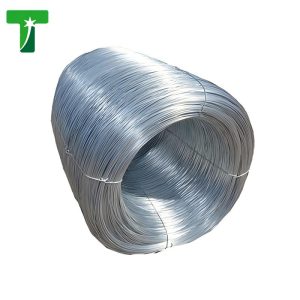
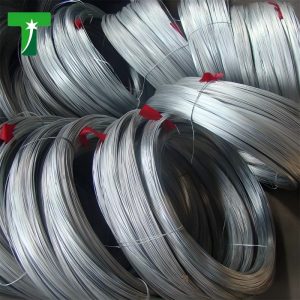
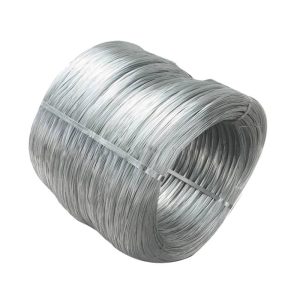
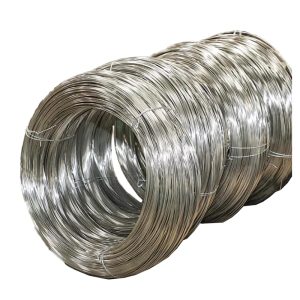
For commercial supply, wire can be wound into compact coils or onto spools for transportation and handling. Important ordering details include coil weight, internal diameter, winding arrangement, and protective packaging. Test certificates and batch identification can be specified to support material traceability and incoming quality inspection.
Product Features
- Low Relaxation Options: Suitable wire grades can be selected to limit tension loss during prolonged service, subject to specified relaxation performance.
- Controlled Elastic Response: The wire’s elastic behavior can be considered when designing systems that require predictable movement under working loads.
- Resistance to Mechanical Abrasion: Surface condition and coating selection can be specified to account for friction against guides, fasteners, and contact points.
- Secure Anchorage: Wire ends can be secured using compatible clamps, tensioners, or fastening systems selected for the required working load.
- Temperature Considerations: Changes in ambient temperature can affect wire tension, particularly in long installations with restrained ends.
- Installation Compatibility: Wire stiffness, bend radius, and fastening requirements should be considered when selecting tensioning equipment and installation methods.
Technical Specifications
| Parameter | Specification |
|---|---|
| Product Name | High Tensile Galvanized Steel Wire |
| Material | Carbon Steel |
| Wire Diameter | 1.6–5.0 mm (Reference Range) |
| Tensile Strength | 1000–1800 MPa (145,000–261,000 psi, Reference Range) |
| Zinc Coating | Hot-Dip Galvanized or Electro Galvanized, Subject to Specification |
| Zinc Coating Mass | According to Diameter and Coating Class |
| Surface Finish | Galvanized, Smooth Surface |
| Diameter Tolerance | According to Applicable Standard |
| Elongation | According to Wire Grade and Test Requirements |
| Applicable Standards | ASTM A641/A641M or Other Agreed Standards, Subject to Grade and Application |
| Supply Form | Coils or Spools |
| Coil Weight | According to Order Requirements |
| Packaging | Protective Wrapping or Palletized Packaging |
Applications
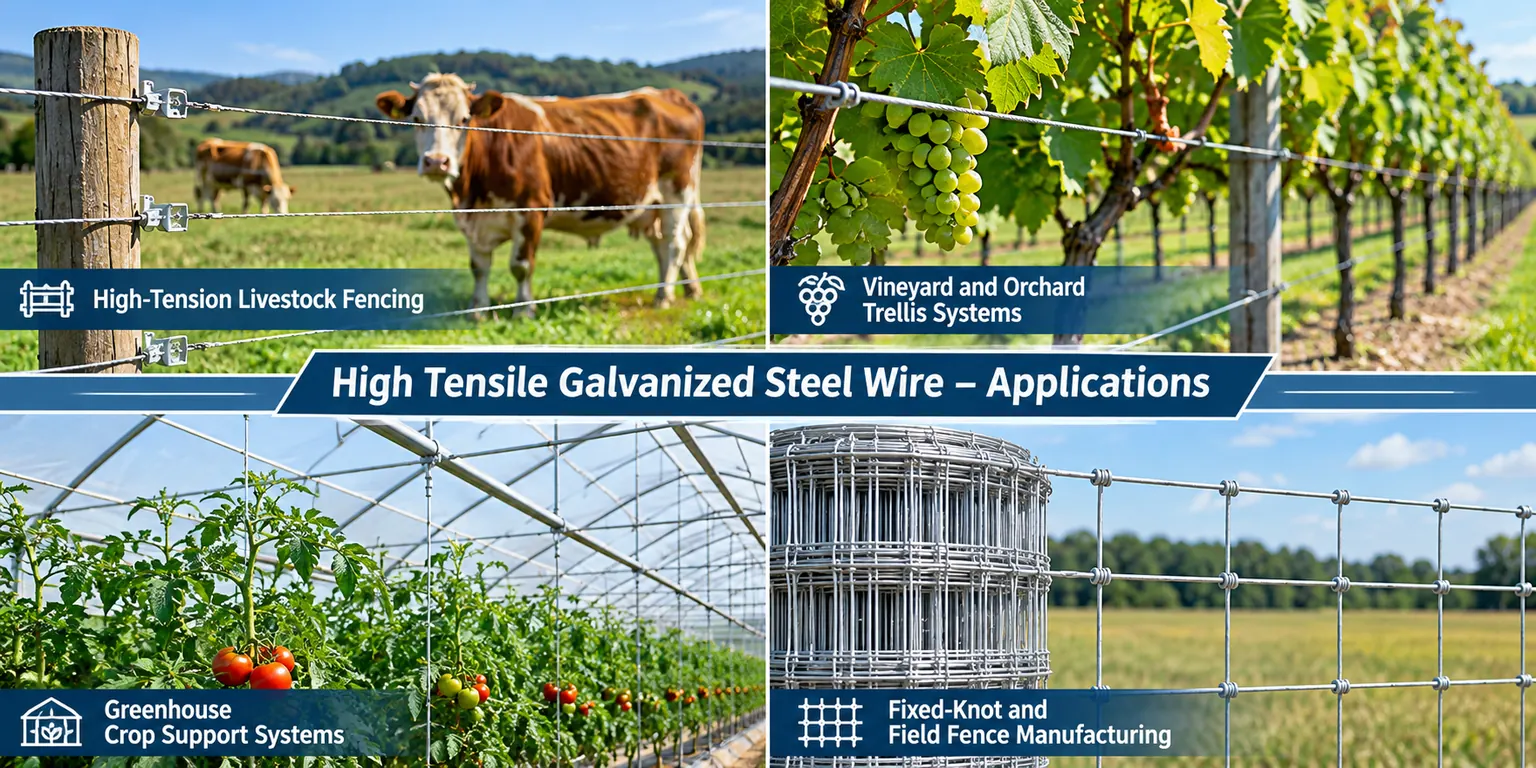
High Tensile Galvanized Steel Wire is used in agricultural installations and fencing systems where wire strands must be secured between supporting structures. Depending on the application, it can serve as a horizontal fence line, plant-training support, overhead suspension line, or component in manufactured fencing products. Wire grade, installation tension, fastening methods, and supporting structures should be selected according to the operating conditions and system design.
- High-Tension Livestock Fencing: High tensile galvanized steel wire is used in multi-strand fencing systems for cattle pastures, grazing areas, and agricultural property boundaries. Individual strands are stretched between fence posts and secured with suitable strainers, anchors, and fastening components. Fence height, wire spacing, post intervals, and installation tension should be determined according to livestock type, terrain conditions, and fence configuration.
- Vineyard and Orchard Trellis Systems: Galvanized steel wire is installed along vineyard rows and orchard planting systems to support vine training, branch positioning, and crop management. Horizontal wire lines are attached to intermediate posts and end assemblies to maintain the required training arrangement throughout the growing season. Wire diameter, support spacing, anchorage design, and expected crop loads should be considered when selecting materials for commercial agricultural installations.
- Greenhouse Crop Support Systems: High tensile galvanized steel wire can be incorporated into overhead support arrangements for greenhouse crops such as tomatoes, cucumbers, and other climbing plants. The wire forms part of a suspension system that carries crop-training strings and associated growing loads. Installation requirements depend on greenhouse dimensions, crop weight, support spacing, and the load-bearing capacity of the greenhouse framework. Wire and fastening components must be suitable for the specified suspended loads.
- Fixed-Knot and Field Fence Manufacturing: Selected grades of high tensile galvanized steel wire are used as horizontal line wires in fixed-knot fencing, woven field fences, and agricultural enclosure products. During manufacturing, the line wires are combined with vertical stays and compatible knot-forming components to create the required fence mesh configuration. Wire stiffness, breaking force, dimensional consistency, and compatibility with forming equipment should be evaluated according to the finished fencing product specifications.