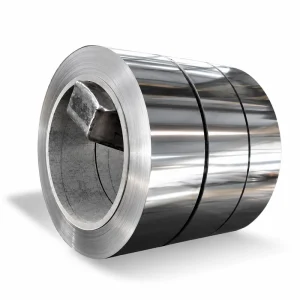
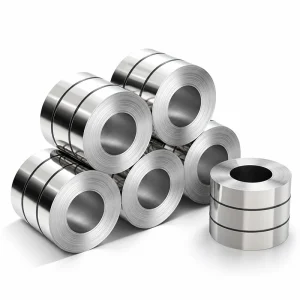
ASTM A240 410 Stainless Steel Coil
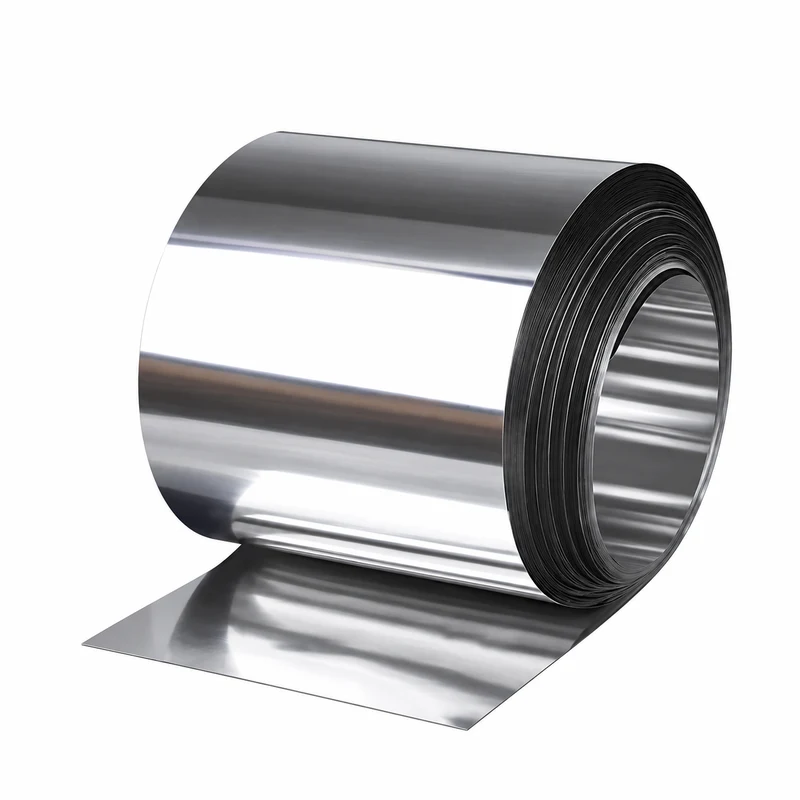
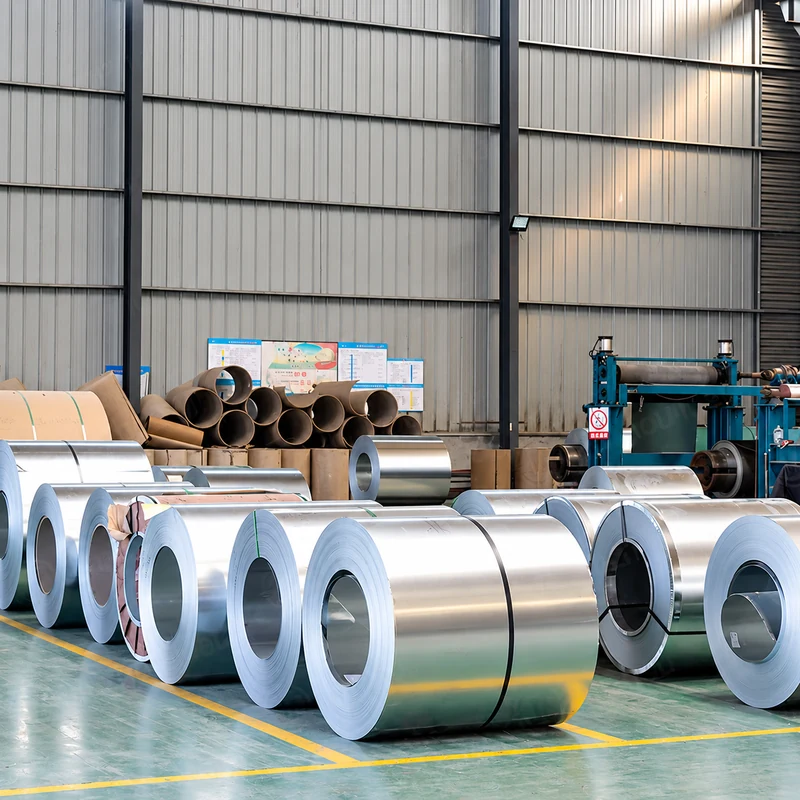
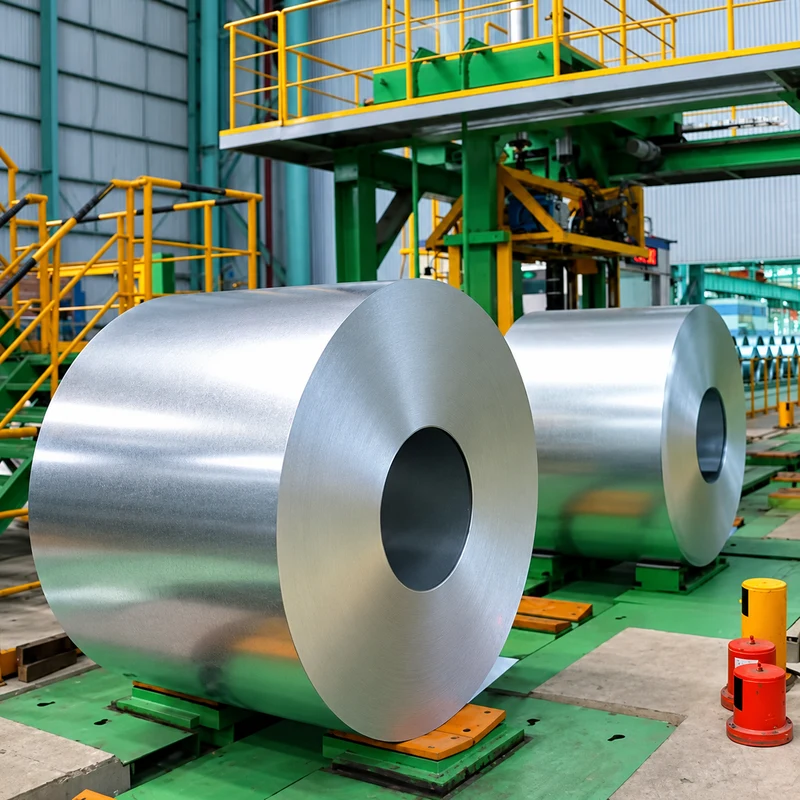
ASTM A240 410 Stainless Steel Coil
ASTM A240 Type 410 Stainless Steel Coil is a martensitic stainless steel containing 11.5–13.5% chromium, with the ability to develop higher hardness through heat treatment. Available in cold rolled and hot rolled forms, it is used for industrial blades, stamped components, and mechanical parts requiring wear resistance.
- Mill Test Certificate Provided
- Strict Quality Inspection
- Custom Sizes Available
- On-Time Global Delivery
ASTM A240 Type 410 Stainless Steel Coil is a martensitic chromium stainless steel containing 11.5–13.5% chromium, designated UNS S41000. Unlike austenitic stainless steels, Grade 410 can be hardened through appropriate heat treatment, making it suitable for components requiring a combination of mechanical strength, hardness, and moderate corrosion resistance.
Available in cold rolled and hot rolled forms, 410 stainless steel coils can be supplied for slitting, cutting, stamping, and subsequent component manufacturing. Annealed material is commonly selected for fabrication before hardening and tempering, depending on the final mechanical property requirements.
Typical applications include industrial blades, cutting components, mechanical parts, and wear-resistant hardware. Buyers should specify thickness, width, surface finish, delivery condition, and any subsequent heat treatment requirements to ensure the material is suitable for the intended manufacturing process.
Product Features
- Heat-Treatable Martensitic Structure – Grade 410 can develop increased hardness and mechanical strength through appropriate hardening and tempering treatments, making it suitable for selected industrial components.
- 11.5–13.5% Chromium Composition – Provides moderate corrosion resistance in mild atmospheric environments, with lower chloride resistance than austenitic grades such as 304.
- Cold Rolled and Hot Rolled Options – Available in different thickness ranges, dimensional tolerances, and surface conditions depending on manufacturing requirements.
- Annealed Condition for Fabrication – Annealed coils can be slit, cut, bent, and stamped into components before subsequent heat treatment, depending on forming requirements.
- Hardness and Wear Resistance – Appropriate heat treatment can improve hardness and wear resistance for industrial blades, cutting components, and mechanical hardware.
- Slitting and Cut-to-Length Processing – Coils can be processed into narrower strips or cut sheets according to specified widths, lengths, edge conditions, and dimensional tolerances.
Technical Specifications
| Parameter | Specification |
|---|---|
| Product Name | ASTM A240 410 Stainless Steel Coil |
| Material Grade | AISI 410 / Type 410 |
| UNS Designation | S41000 |
| Material Standard | ASTM A240/A240M |
| Stainless Steel Type | Martensitic Stainless Steel |
| Chromium (Cr) | 11.50–13.50% |
| Carbon (C) | ≤ 0.15% |
| Manganese (Mn) | ≤ 1.00% |
| Silicon (Si) | ≤ 1.00% |
| Phosphorus (P) | ≤ 0.040% |
| Sulfur (S) | ≤ 0.030% |
| Nickel (Ni) | ≤ 0.75% |
| Rolling Process | Cold Rolled / Hot Rolled |
| Delivery Condition | Annealed; other conditions subject to agreement |
| Surface Finish | 2B, BA, No. 1 or other available finishes |
| Thickness | According to manufacturing availability |
| Coil Width | Standard or custom slit widths |
| Edge Condition | Mill Edge / Slit Edge |
| Heat Treatment | Hardenable by quenching and tempering |
| Applications | Industrial Blades, Stamped Parts, Mechanical Components |
Applications
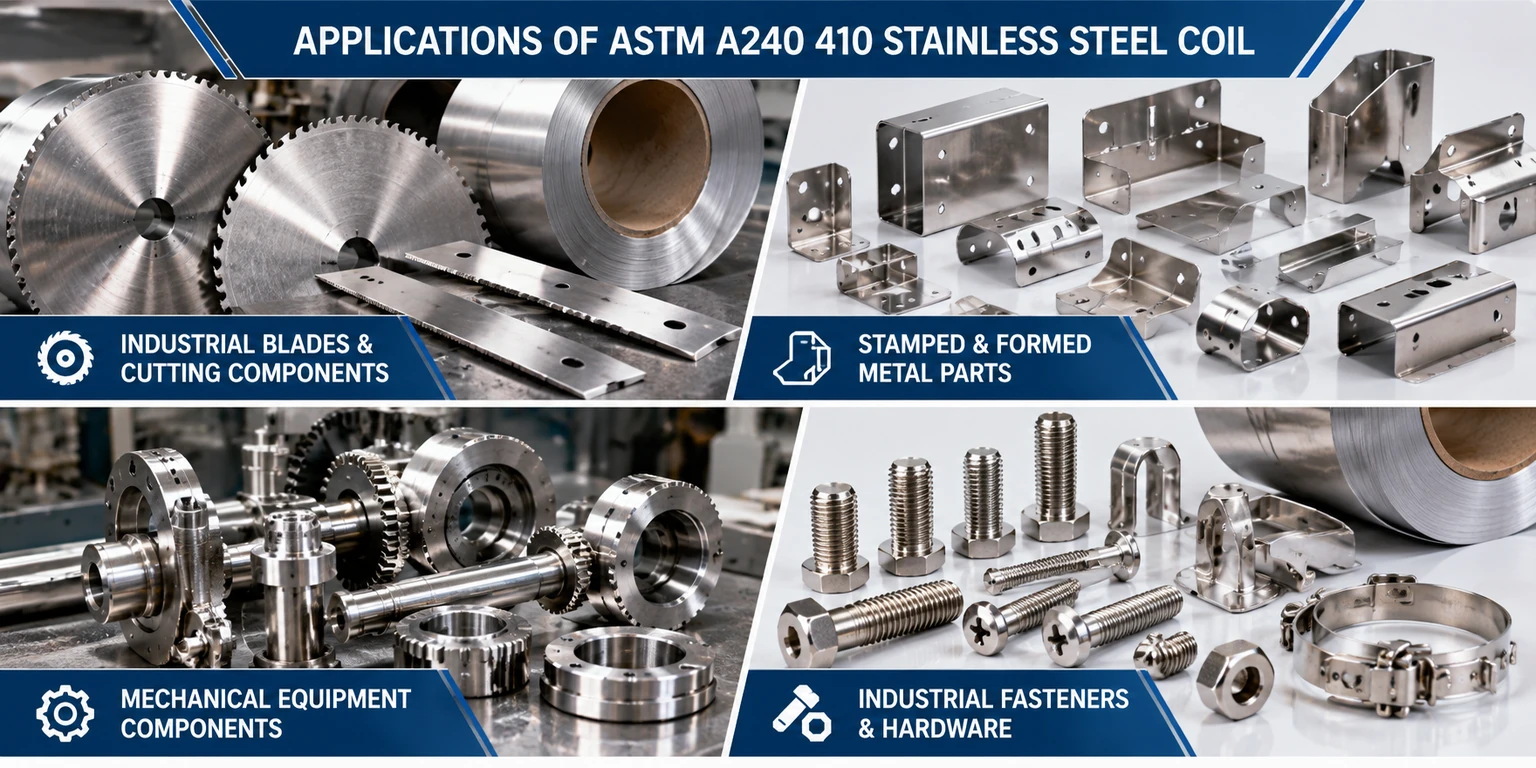
1. Industrial Blades & Cutting Components
410 stainless steel coils are used to manufacture selected industrial blades, cutting edges, and trimming components. Annealed coils can be slit, blanked, and formed before hardening and tempering to achieve the required hardness. Final cutting performance depends on heat treatment, edge geometry, and operating conditions. Grade 410 is suitable for applications requiring moderate corrosion resistance alongside mechanical strength.
2. Stamped & Formed Metal Parts
Cold rolled 410 stainless steel coils are processed into stamped brackets, retaining components, clips, and other industrial hardware. Annealed material can undergo blanking, bending, and selected forming operations using appropriate tooling. Thickness tolerance, material hardness, and springback must be considered during production. Components requiring higher strength or hardness may undergo subsequent heat treatment after forming.
3. Mechanical Equipment Components
410 stainless steel coils are used to produce selected machine components, wear plates, and equipment hardware where heat-treatable stainless steel is required. Coils can be cut into sheets or strips for further machining and fabrication. Hardening and tempering can improve mechanical properties for specific operating conditions. Material selection should account for wear mechanisms, loading, corrosion exposure, and dimensional stability after heat treatment.
4. Industrial Fasteners & Hardware
410 stainless steel strip and coil can be used to manufacture selected screws, clips, spring-type fasteners, and formed hardware components. Depending on the product design, material may undergo slitting, stamping, forming, and subsequent heat treatment. Grade 410 is used in certain hardened fastener applications, but its corrosion resistance is lower than that of Grade 304. Required hardness, forming performance, and service conditions should be confirmed before production.
Frequently Asked Questions
1. What is the difference between 410 and 304 stainless steel coil?
Grade 410 is a martensitic stainless steel containing 11.5–13.5% chromium, while Grade 304 is an austenitic stainless steel containing approximately 18–20% chromium and 8–10.5% nickel. Grade 410 can be hardened through heat treatment, making it suitable for selected blades and mechanical components. Grade 304 generally provides better corrosion resistance, particularly in chloride-containing environments.
2. Can ASTM A240 410 stainless steel coil be hardened by heat treatment?
Yes. Grade 410 can be hardened through austenitizing, quenching, and subsequent tempering. The resulting hardness and strength depend on the heat treatment temperature, cooling conditions, material thickness, and tempering process. Annealed coils are commonly selected for fabrication before heat treatment. Buyers should specify the required final hardness and mechanical properties according to the intended application.
3. What is the difference between cold rolled and hot rolled 410 stainless steel coil?
Cold rolled 410 stainless steel coils generally provide tighter thickness tolerances and smoother surface finishes, making them suitable for precision stamping, slitting, and formed components. Hot rolled coils are commonly used for thicker material requirements and may be supplied with a No. 1 finish after annealing and pickling. Selection depends on thickness, surface condition, and subsequent processing.
4. Is 410 stainless steel coil suitable for stamping and bending?
Annealed 410 stainless steel coils can be used for blanking, bending, and selected stamping operations. However, formability depends on material hardness, thickness, bend radius, and tooling design. Hardened material is considerably less suitable for complex forming. For demanding stamped components, buyers should confirm the delivery condition and conduct forming trials before mass production.
5. Is 410 stainless steel coil corrosion resistant?
Grade 410 provides moderate corrosion resistance in mild atmospheric environments when properly processed and maintained. However, its corrosion resistance is generally lower than that of Grade 304, particularly in chloride-rich or aggressive chemical environments. Surface condition, heat treatment, and operating conditions also influence performance. Grade 410 should not be selected for continuous seawater exposure without a detailed material suitability assessment.
6. What information is required when ordering ASTM A240 410 stainless steel coil?
Buyers should specify ASTM A240/A240M Type 410 (UNS S41000), thickness, width, surface finish, edge condition, and required quantity. The delivery condition, dimensional tolerances, coil weight, and any slitting or cut-to-length requirements should also be provided. If the material will undergo hardening or precision forming, include the intended processing method and required mechanical properties.