Concrete Reinforcing Steel Mesh
Concrete Reinforcing Steel Mesh
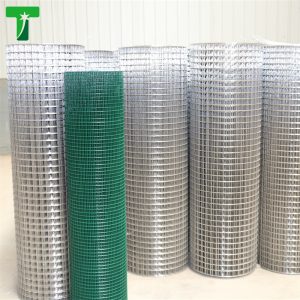
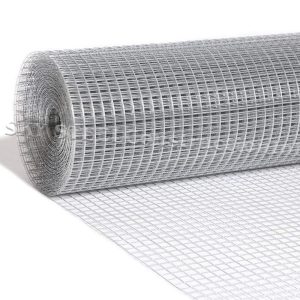
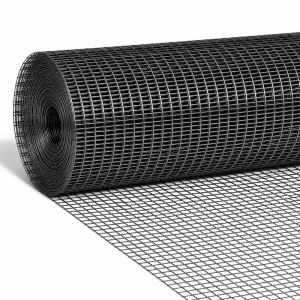
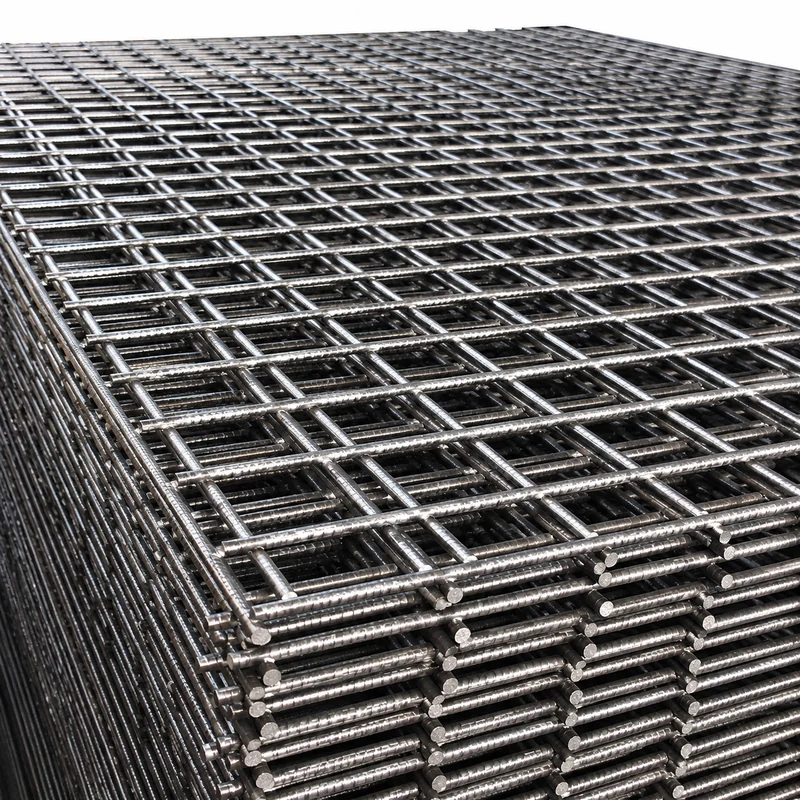
Concrete Reinforcing Steel Mesh features a welded steel grid designed to improve concrete reinforcement and crack control. Available in various wire diameters, mesh spacings, and sheet sizes, it is suitable for concrete slabs, foundations, and pavement construction.
- Mill Test Certificate Provided
- Strict Quality Inspection
- Custom Sizes Available
- On-Time Global Delivery
Concrete Reinforcing Steel Mesh is supplied as prefabricated reinforcement sheets with longitudinal and transverse steel wires joined by resistance welding. The arrangement of the reinforcement determines the steel cross-sectional area in each direction, an important consideration in structural concrete design.
Mechanical properties are central to reinforcement mesh specifications. Steel grade, characteristic yield strength, tensile properties, and weld shear resistance are defined according to the applicable product standard. Plain or deformed reinforcement can be specified where permitted by the relevant standard and project requirements.
Mesh identification and dimensional tolerances are important for construction procurement. Orders may reference ASTM A1064/A1064M, BS 4483, or applicable Australian and New Zealand reinforcement standards, depending on the destination market. Material certification, dimensional inspection, and test documentation can be agreed upon before production.
Product Features
- Reduced On-Site Labor: Prefabricated mesh sheets reduce the amount of manual reinforcement tying required during construction.
- Faster Installation: Preassembled reinforcement sections allow construction teams to position large reinforcement areas more efficiently than individually tied bars in suitable applications.
- Convenient Material Handling: Flat mesh sheets can be lifted, moved, and positioned using appropriate construction equipment.
- Efficient Site Organization: Standardized reinforcement sheets simplify material allocation and help maintain an organized construction workflow.
- Flexible Cutting and Shaping: Mesh sheets can be cut or bent using suitable equipment where permitted by the approved reinforcement design.
- Practical Delivery Options: Mesh sheets can be bundled and secured for transportation, with packaging arrangements determined by sheet dimensions and shipment requirements.
Technical Specifications
| Parameter | Specification |
|---|---|
| Product Name | Concrete Reinforcing Steel Mesh |
| Material | Carbon Steel Reinforcement |
| Steel Grade | B500A / B500B / ASTM Grades (as specified) |
| Wire / Bar Diameter | 4–12 mm |
| Mesh Spacing | 100 × 100 / 150 × 150 / 200 × 200 mm |
| Sheet Width | 1.0–2.4 m |
| Sheet Length | 2.0–6.0 m |
| Wire Surface | Plain / Deformed |
| Yield Strength | Grade-dependent; 500 MPa for specified B500 grades |
| Tensile Strength | According to steel grade and applicable standard |
| Weld Shear Strength | According to applicable product standard |
| Manufacturing Process | Resistance Welded |
| Surface Finish | Black Steel / Galvanized (if available) |
| Applicable Standards | ASTM A1064/A1064M / BS 4483 / AS/NZS 4671 (as applicable) |
| Supply Form | Flat Sheets |
| Packaging | Bundled / Palletized |
| Customization | Wire Diameter, Mesh Spacing, Sheet Dimensions |
Applications
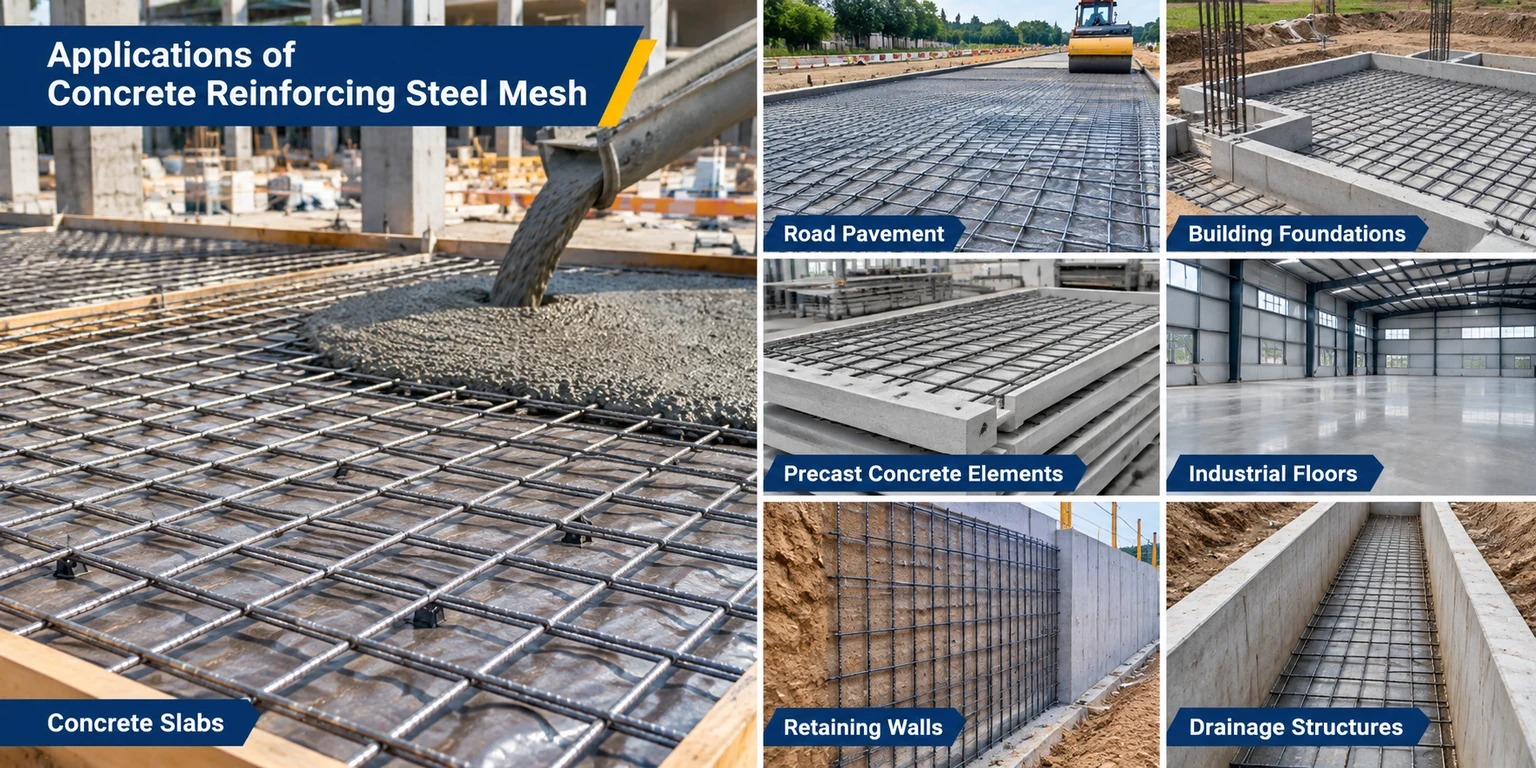
Concrete Reinforcing Steel Mesh is incorporated into reinforced concrete elements to provide distributed steel reinforcement according to structural design requirements. Its use depends on the specified reinforcement area, loading conditions, concrete cover, and construction methods.</p>
- Concrete Slabs:
Installed within residential and commercial concrete slabs to provide reinforcement in designated directions. Mesh sheets are positioned on suitable supports to maintain the specified concrete cover during placement. - Road Pavements:
Used in reinforced concrete roadways, access roads, and pavement sections where distributed reinforcement is specified. Mesh placement and joint detailing follow the approved pavement design. - Building Foundations:
Incorporated into selected foundation slabs, raft foundations, and other reinforced concrete foundation elements. Reinforcement arrangements are determined by structural loads, soil conditions, and engineering drawings. - Precast Concrete Elements:
Integrated into factory-produced concrete panels, wall sections, and other precast components. Prefabricated mesh arrangements support repeatable reinforcement placement during controlled production. - Industrial Floors:
Used in warehouse floors, manufacturing facilities, and commercial concrete flooring systems where reinforcement is required. Mesh specifications depend on floor loading, slab thickness, and joint design. - Retaining Walls:
Incorporated into reinforced concrete retaining wall sections where welded mesh is permitted by the structural design. Reinforcement placement must account for earth pressure, anchorage, and concrete cover requirements. - Drainage Structures:
Used in reinforced concrete drainage channels, culvert components, and selected precast drainage units. Mesh dimensions and reinforcement details are selected according to the structural design and exposure conditions.
Frequently Asked Questions (FAQ)
1. What is the difference between plain and deformed reinforcing steel mesh?
Plain reinforcing mesh uses smooth steel wires, while deformed mesh features ribs or indentations that improve mechanical bonding with concrete. The appropriate type depends on the reinforcement standard, structural design, and specified bond requirements.
2. What are the common wire diameters and mesh spacing dimensions?
Common reference specifications include wire diameters from 4 mm to 12 mm, with mesh spacing of 100 × 100 mm, 150 × 150 mm, and 200 × 200 mm. Typical sheet dimensions range from 1.0–2.4 m in width and 2.0–6.0 m in length. Actual combinations depend on manufacturing capabilities.</p>
3. Which international standards apply to concrete reinforcing steel mesh?
Commonly referenced standards include ASTM A1064/A1064M for welded wire reinforcement, BS 4483 for steel fabric reinforcement, and AS/NZS 4671 for steel reinforcing materials. Compliance requirements vary by country, product grade, and project specification.
4. How is weld quality tested in reinforcing steel mesh?
Weld quality can be evaluated through weld shear testing and visual or dimensional inspections according to the applicable standard. Testing requirements, sampling frequency, and acceptance criteria depend on the specified product standard and inspection agreement.
5. How should reinforcing steel mesh sheets be stored before installation?
Mesh sheets should be stored on suitable supports above the ground to minimize contamination and unnecessary moisture exposure. Bundles should be secured against movement, and any excessive corrosion, deformation, or weld damage should be assessed before installation.
6. What documents can be requested with reinforcing steel mesh orders?
Depending on the agreed supply requirements, buyers may request material test certificates, chemical composition reports, mechanical test results, weld shear test reports, and dimensional inspection records. Document availability and applicable standards should be confirmed before production.