High Carbon Galvanized Steel Wire
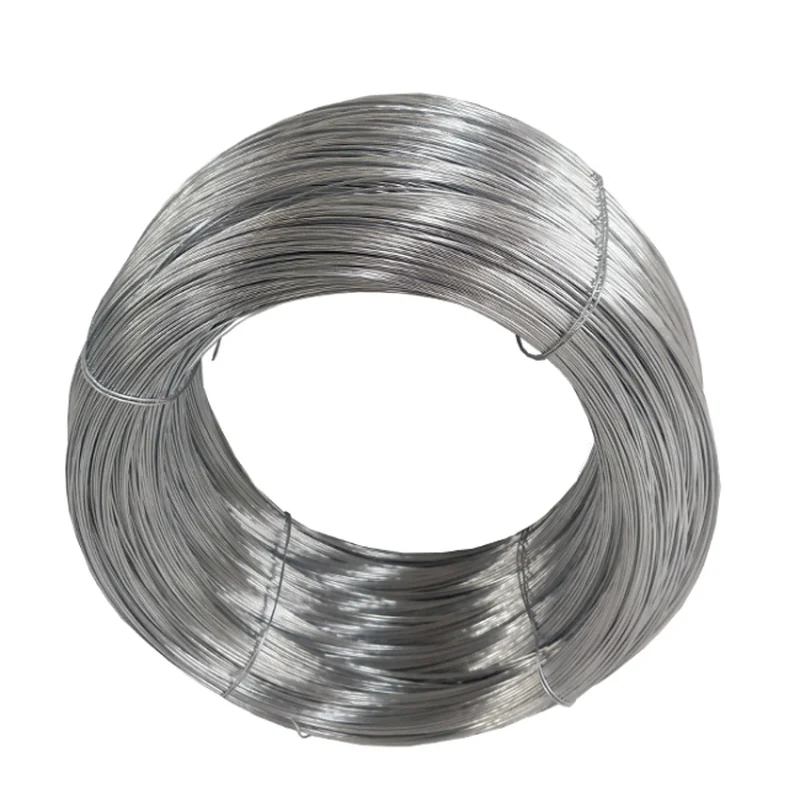
High Carbon Galvanized Steel Wire
From overhead cable reinforcement to specialized wire assemblies, material performance depends on more than wire diameter alone. High Carbon Galvanized Steel Wire can be specified with different mechanical properties, surface conditions, and dimensional tolerances to meet the requirements of demanding industrial applications.
- Mill Test Certificate Provided
- Strict Quality Inspection
- Custom Sizes Available
- On-Time Global Delivery
High Carbon Galvanized Steel Wire is manufactured from steel containing a relatively high proportion of carbon. Its metallurgical characteristics require careful control during production, particularly when drawing the material into smaller wire sections.
Successive drawing operations reduce the wire cross-section while introducing work hardening. Depending on the steel grade and intended product, intermediate heat treatment may be necessary to maintain suitable processing conditions before galvanizing.
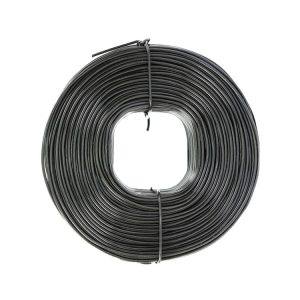
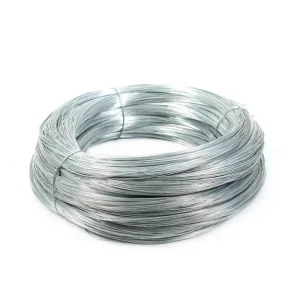
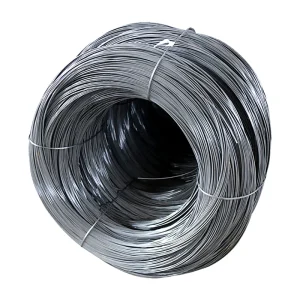
After production, the wire is wound into coils or other agreed delivery forms. Proper winding tension and handling procedures help prevent unwanted deformation, surface abrasion, and damage during transportation and subsequent unwinding.
Product Features
- Fatigue Performance:
For applications involving repeated loading, suitable high carbon steel wire grades can be evaluated for resistance to fatigue damage. Performance depends on the wire’s processing history, operating stress range, and service conditions. - Torsional Performance:
Torsion testing can be used to assess the wire’s behavior under rotational deformation. The number of turns to failure and fracture characteristics provide useful information when evaluating wire for twisting or stranding operations. - Stress Relaxation Characteristics:
In applications involving sustained tension, stress relaxation may influence long-term performance. Appropriate wire grades can be assessed under specified loading, temperature, and testing conditions to determine their suitability for tensioned assemblies. - Structural Integrity:
High carbon steel wire can be evaluated for internal discontinuities and surface defects that may affect performance under demanding service conditions. Inspection requirements should be established according to the intended application and relevant product specifications.
High Carbon Galvanized Steel Wire – Technical Specifications
| Item | Available Range / Specification |
|---|---|
| Product Name | High Carbon Galvanized Steel Wire |
| Base Material | High Carbon Steel |
| Reference Steel Grades | SAE 1065, SAE 1070, SAE 1080, SAE 1085 |
| Carbon Content | Approx. 0.60–0.90% |
| Wire Diameter | 0.80–6.00 mm (reference range) |
| Tensile Strength | 800–1800 MPa (reference range) |
| Galvanizing Process | Hot-Dip Galvanizing / Electro-Galvanizing |
| Coating Material | Zinc (Zn) |
| Zinc Coating Mass | Specified in g/m² by coating class |
| Coating Adhesion | Wrapping Test |
| Diameter Tolerance | As specified by the applicable wire standard |
| Wire Cross-Section | Round |
| Surface Finish | Zinc-Coated Surface |
| Coil Weight | 25–500 kg per coil (reference range) |
| Packaging | Coils, Reels, or Palletized Packaging |
| Reference Coating Standard | EN 10244-2 |
| Inspection Items | Diameter, Tensile Strength, Coating Mass, Coating Adhesion |
| Documentation | Inspection Reports / Material Certificates (if agreed) |
Applications
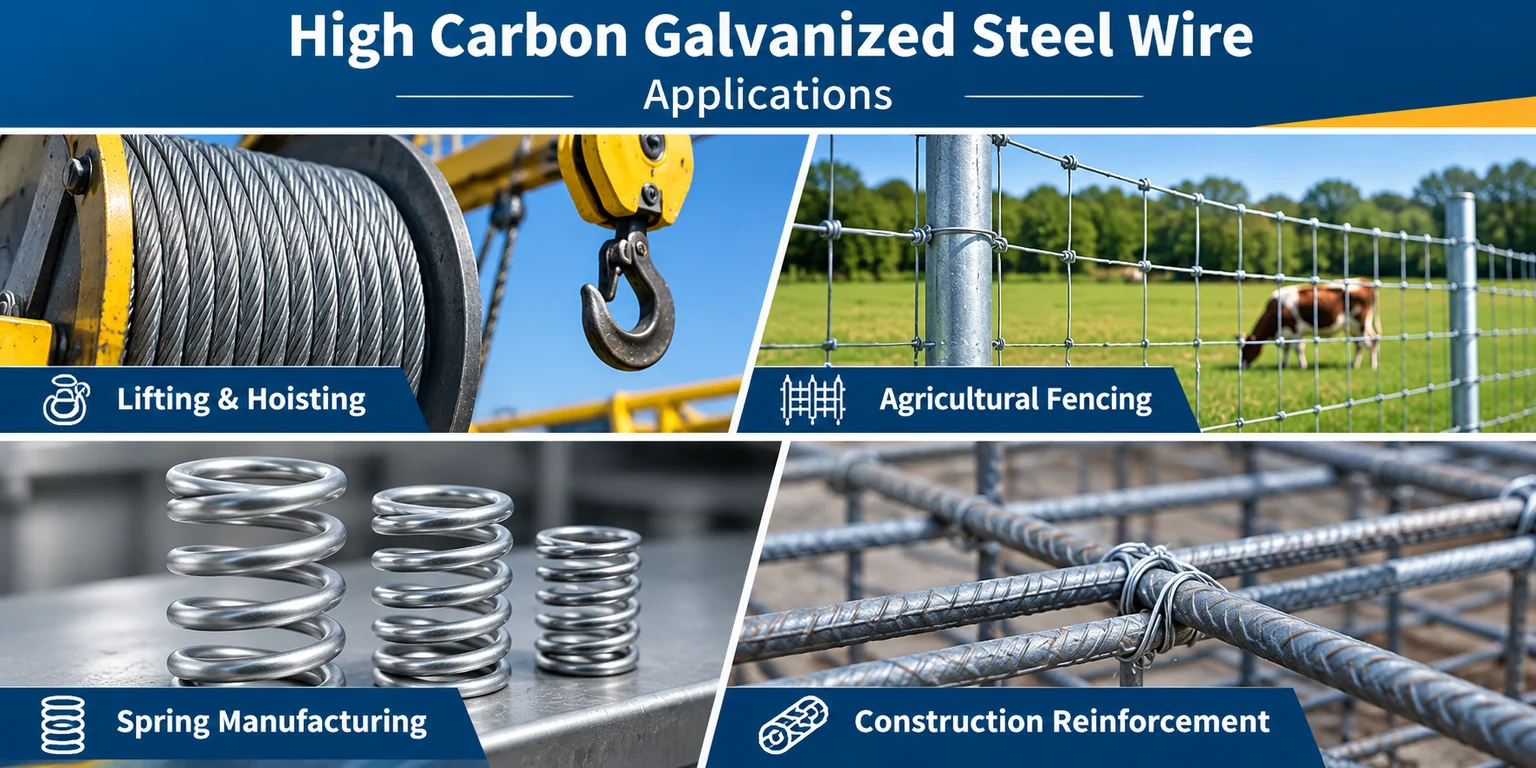
High Carbon Galvanized Steel Wire is used in selected industrial applications where specific strength, deformation, and durability requirements must be satisfied. Depending on the steel grade and manufacturing condition, suitable wire products may be processed into stranded ropes, tensioned fencing components, industrial springs, and specialized construction materials.
- Lifting & Hoisting:
Specialized high carbon galvanized steel wire grades can be used as individual strands in the manufacture of lifting and hoisting wire ropes. These applications require carefully controlled mechanical properties, wire uniformity, and suitable rope construction. Finished lifting ropes must comply with applicable safety and performance standards. - Agricultural Fencing:
High carbon galvanized steel wire is used in high-tensile agricultural fencing systems, including livestock enclosures and tensioned boundary fences. Its mechanical characteristics allow suitable wire grades to maintain tension across extended fence spans. Wire selection should consider installation tension, fence design, and environmental exposure. - Spring Manufacturing:
Certain high carbon steel wire grades can be processed into industrial springs and elastic components. Spring production requires appropriate material condition, forming characteristics, and fatigue performance. The suitability of galvanized wire depends on the spring design, manufacturing process, and required coating integrity. - Construction Reinforcement:
Specialized high carbon steel wire products may be used in selected construction and tensioning systems where higher mechanical strength is required. Material specifications must be matched to the intended structural application, relevant engineering standards, and approved installation methods. Ordinary rebar tying wire is generally produced from softer, low-carbon steel.
Frequently Asked Questions (FAQ)
1. Why is carbon content important when selecting high carbon galvanized steel wire?
Carbon content influences the steel’s response to drawing, heat treatment, and mechanical loading. Higher carbon levels can support greater strength after appropriate processing, but may also reduce ductility. The final properties depend on the steel grade and manufacturing condition rather than carbon content alone.
2. Does higher tensile strength always mean better wire performance?
No. Higher tensile strength is not automatically suitable for every application. Wire used in stranding, bending, or repeated loading must also meet relevant ductility, torsional, and fatigue requirements. The correct balance of properties depends on the intended manufacturing process and service conditions.
3. What is the purpose of torsion testing for high carbon steel wire?
Torsion testing evaluates how a wire behaves when twisted under specified conditions. Depending on the applicable standard, the test may assess the number of turns to fracture and the characteristics of the fracture. Results can help identify whether the wire meets the requirements of particular stranding or forming operations.
4. Can galvanizing affect the mechanical properties of high carbon steel wire?
Yes. Galvanizing conditions, particularly thermal exposure during hot-dip processing, may influence the mechanical properties of certain high-strength steel wires. The effect depends on the wire grade, prior processing, and galvanizing conditions. Mechanical properties should therefore be verified in the finished galvanized condition.
5. Is high carbon galvanized steel wire suitable for manufacturing lifting wire ropes?
Certain specialized grades can be used to manufacture lifting wire ropes, but general-purpose high carbon galvanized wire should not automatically be considered suitable. Rope-making wire must meet the applicable mechanical, dimensional, and coating requirements, and the finished rope must comply with relevant safety standards.
6. What information is needed to specify high carbon galvanized steel wire for an industrial project?
A technical specification should identify the intended application, steel grade or required mechanical properties, wire diameter, coating requirements, and applicable standards. For demanding applications, additional requirements such as torsion performance, fatigue testing, or inspection documentation may be necessary.