Black Annealed Steel Wire
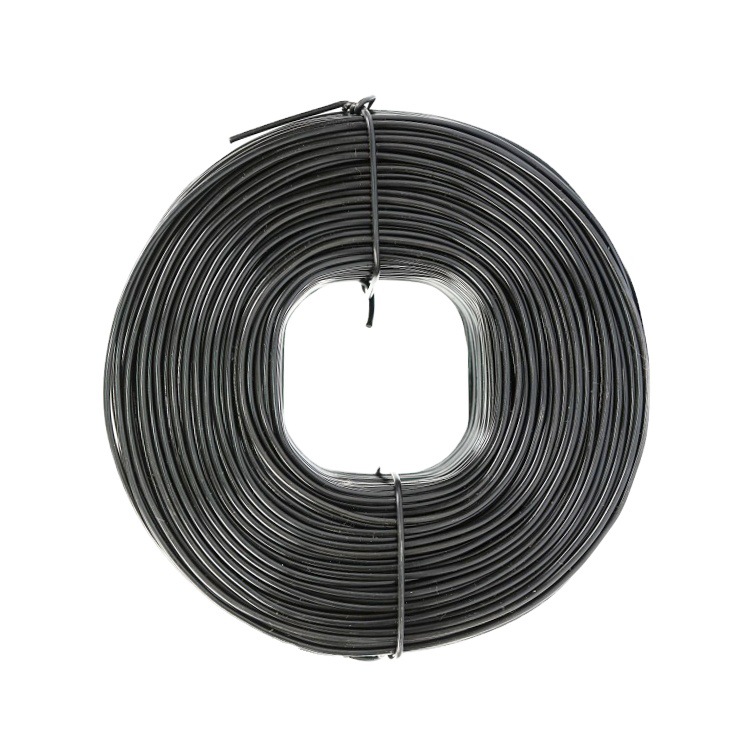
Black Annealed Steel Wire
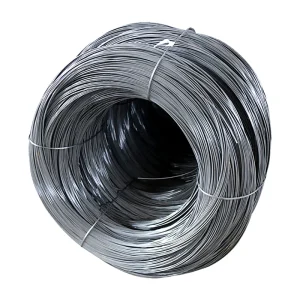
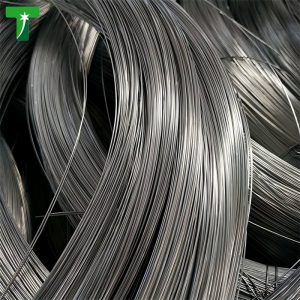
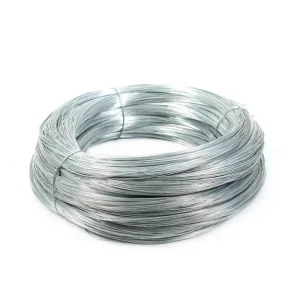
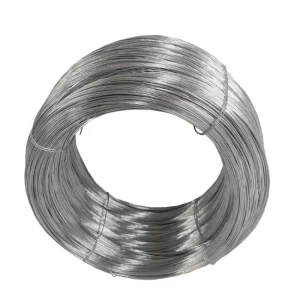
Black Annealed Steel Wire is available in various wire diameters and coil weights for construction binding, reinforcement tying, and general fabrication. Its soft, workable condition allows convenient bending, twisting, and manual handling, with packaging options suited to different purchasing requirements.
- Mill Test Certificate Provided
- Strict Quality Inspection
- Custom Sizes Available
- On-Time Global Delivery
The production of Black Annealed Steel Wire begins with the selection of low-carbon steel wire rod, typically followed by surface preparation and wire drawing. The chemical composition and initial material condition influence the consistency of the finished wire, making raw material selection an important part of the manufacturing process.
During annealing, the drawn wire is heated under controlled conditions and subsequently cooled according to the required processing parameters. Furnace temperature, holding time, and cooling rate influence the internal structure and mechanical properties of the material. The resulting dark surface appearance is associated with the processing atmosphere and surface oxidation.
Quality inspection focuses on dimensional consistency, surface condition, tensile properties, and the absence of visible defects such as cracks or excessive scaling. For export orders, applicable testing methods, inspection criteria, and material documentation can be specified according to the agreed technical requirements.
Product Features:
- Uncoated Black Finish:
The wire retains its characteristic dark finish without a zinc or polymer protective coating, making it suitable for applications where a coated surface is not required. - Low Springback During Forming:
When supplied in a properly annealed condition, the wire generally exhibits reduced elastic recovery compared with hard-drawn wire, helping formed sections retain their intended shape. - Secure Twisted Connections:
The wire can form compact twisted joints that hold components together when the correct number of turns and appropriate tension are applied. - Compatible with Common Hand Tools:
Suitable wire grades can be handled using standard tying hooks, pliers, and wire-cutting tools, without requiring specialized joining equipment for basic fastening tasks.
Black Annealed Steel Wire – Technical Specifications
| Item | Available Range / Specification |
|---|---|
| Product Name | Black Annealed Steel Wire |
| Material | Low Carbon Steel |
| Steel Grade | Q195, Q235, SAE 1006, SAE 1008 |
| Wire Diameter | 0.8–6.0 mm |
| Wire Gauge | Approx. BWG 8–21 |
| Tensile Strength | 300–550 MPa |
| Elongation | 15–30% |
| Surface Finish | Black Annealed, Uncoated |
| Manufacturing Process | Wire Drawing and Annealing |
| Annealing Type | Batch or Continuous Annealing |
| Wire Condition | Soft Annealed |
| Wire Shape | Round |
| Diameter Tolerance | According to Agreed Specification |
| Coil Weight | 1–500 kg |
| Supply Form | Coils, Spools, Straightened Cut Wire |
| Coil Inner Diameter | According to Order Requirements |
| Surface Condition | Free from Excessive Rust and Visible Defects |
| Inspection | Diameter, Tensile Strength, Surface Condition |
| Packaging | Plastic Film, Woven Bags, Cartons or Pallets |
Applications
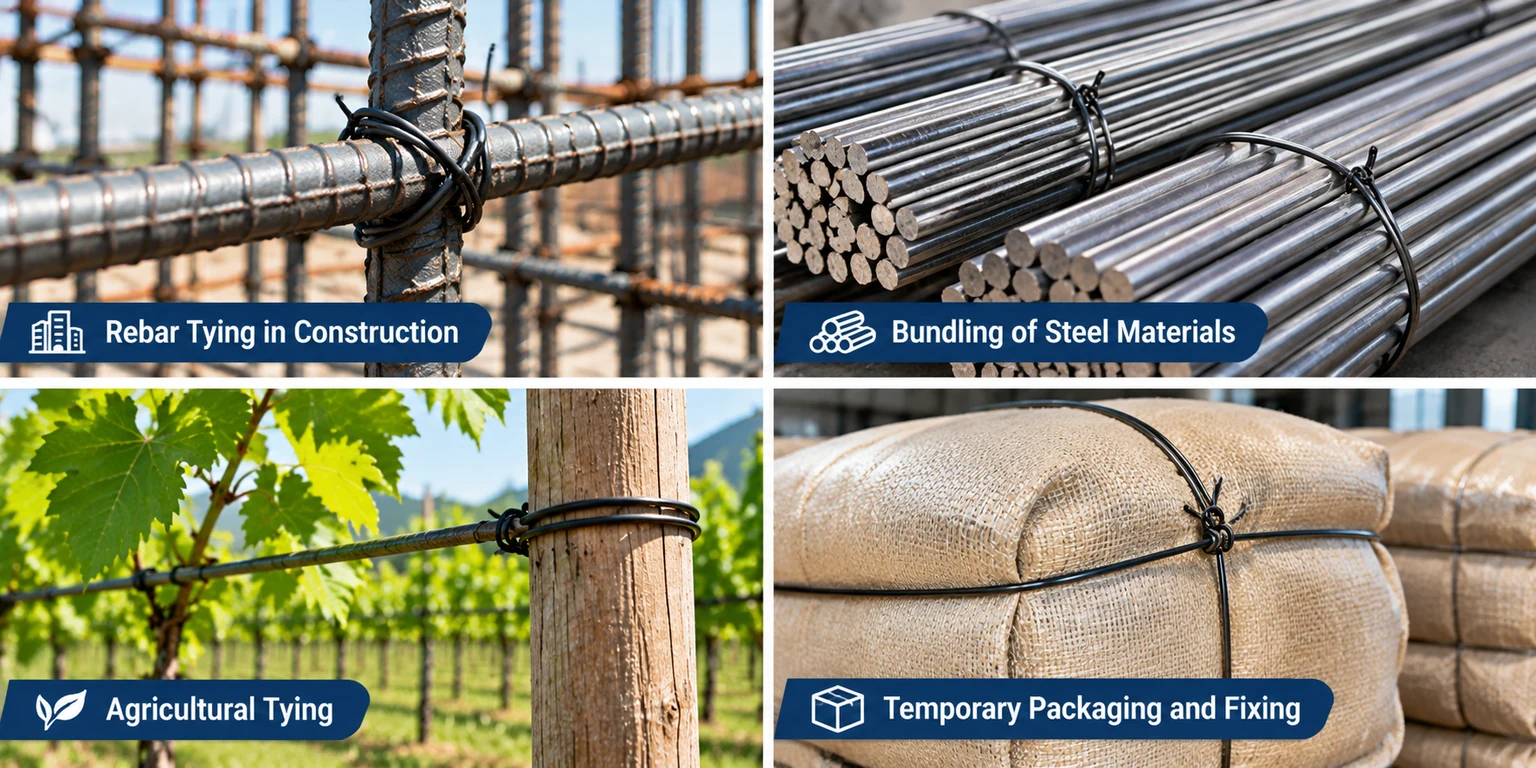
Black Annealed Steel Wire is commonly used for fastening and securing materials in construction, manufacturing, agriculture, and general handling operations. Its suitability depends on the required holding strength, exposure conditions, and fastening method. The following applications illustrate typical uses of black annealed wire.
- Rebar Tying in Construction:
Used to secure reinforcing steel bars at intersections during the assembly of reinforcement cages, beams, columns, and concrete slabs. The wire helps maintain bar positioning before concrete placement. Tying arrangements should follow the reinforcement drawings and construction requirements. - Bundling of Steel Materials:
Applied to temporary bundling of steel rods, small metal components, and other materials during workshop handling or storage. The number of ties and fastening arrangement depend on bundle dimensions and weight. Load-bearing transport restraints should be selected separately according to handling and shipping requirements. - Agricultural Tying:
Used for temporary fastening of plant supports, vineyard structures, and agricultural equipment components. Wire ties can help position supporting elements during installation or maintenance. For prolonged outdoor exposure, corrosion resistance and the potential for damage to plants should be considered. - Temporary Packaging and Fixing:
Used to secure suitable non-structural packages, wrapped materials, and components during storage or internal handling. Twisted wire connections provide a practical fastening method where permanent joints are unnecessary. Packaging strength and wire suitability should be checked according to the contents and handling conditions.