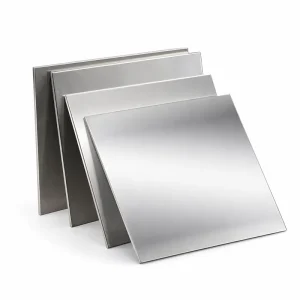
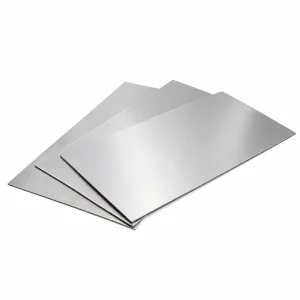
316 Stainless Steel Plate
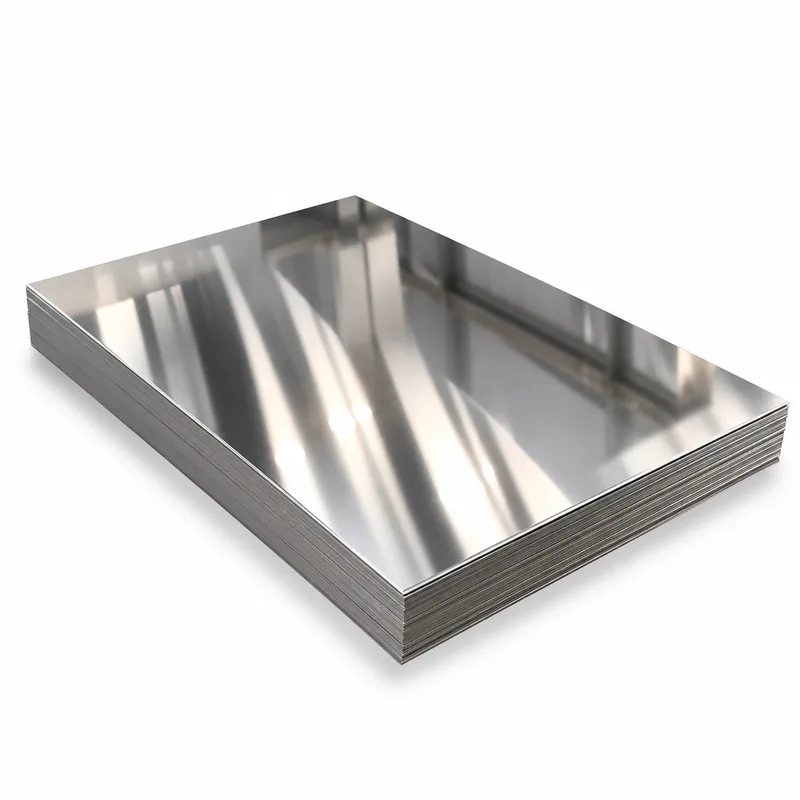
316 Stainless Steel Plate
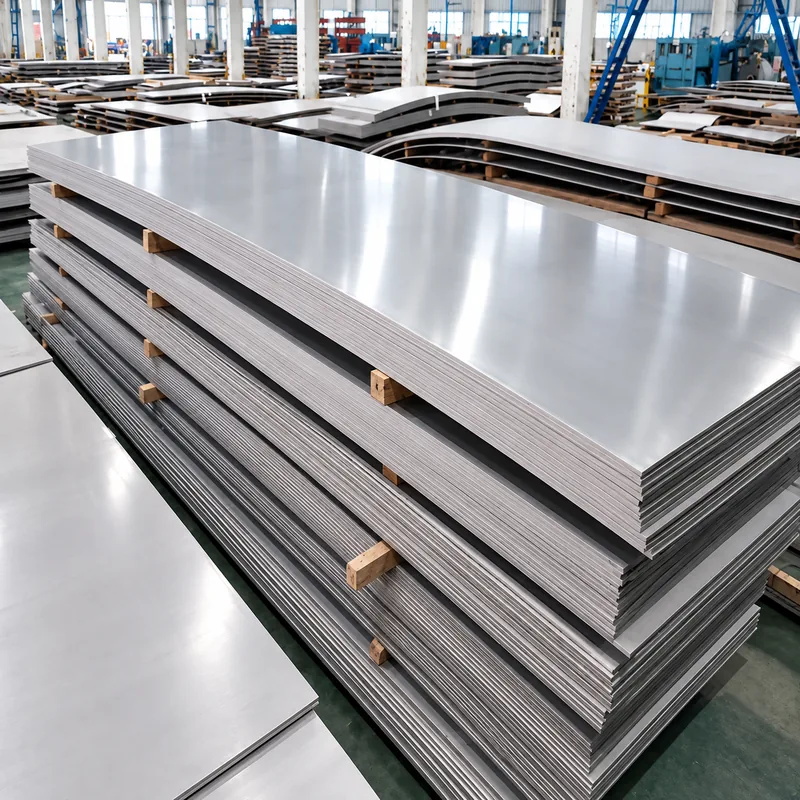
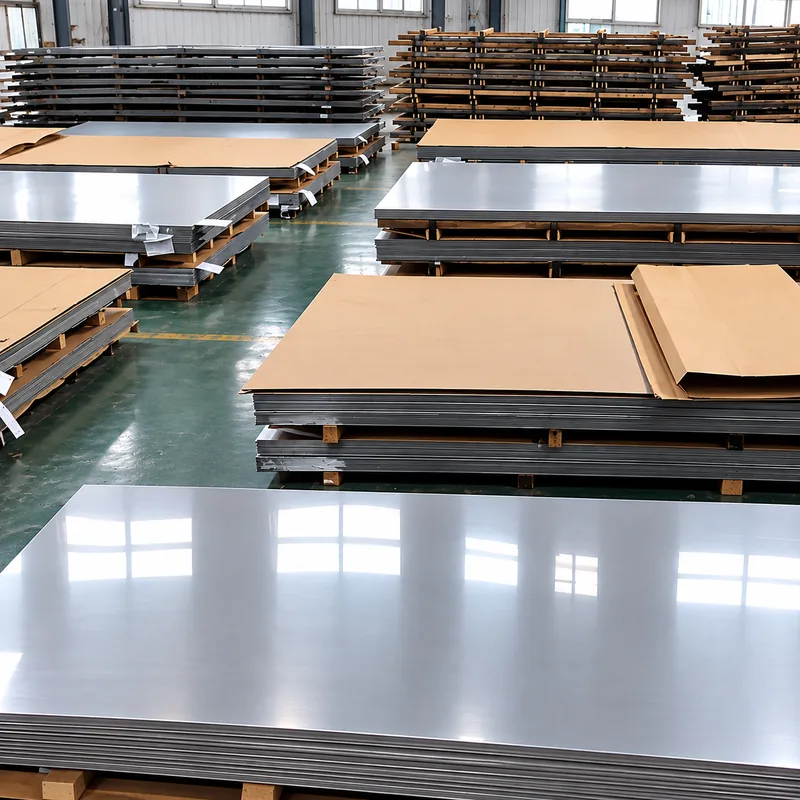
316 Stainless Steel Plate is available in various thicknesses, widths, and surface finishes, including No.1, 2B, and brushed finishes. ASTM A240 compliant options are available for chemical processing equipment, marine components, storage tanks, and industrial fabrication. Custom cutting and bulk supply are supported based on project requirements.
- Mill Test Certificate Provided
- Strict Quality Inspection
- Custom Sizes Available
- On-Time Global Delivery
316 Stainless Steel Plate offers excellent corrosion resistance, good mechanical strength, and reliable performance in demanding industrial environments. Compared with 304 stainless steel, it provides improved resistance to pitting and crevice corrosion, making it suitable for applications exposed to moisture, chemicals, and certain chloride-containing conditions.
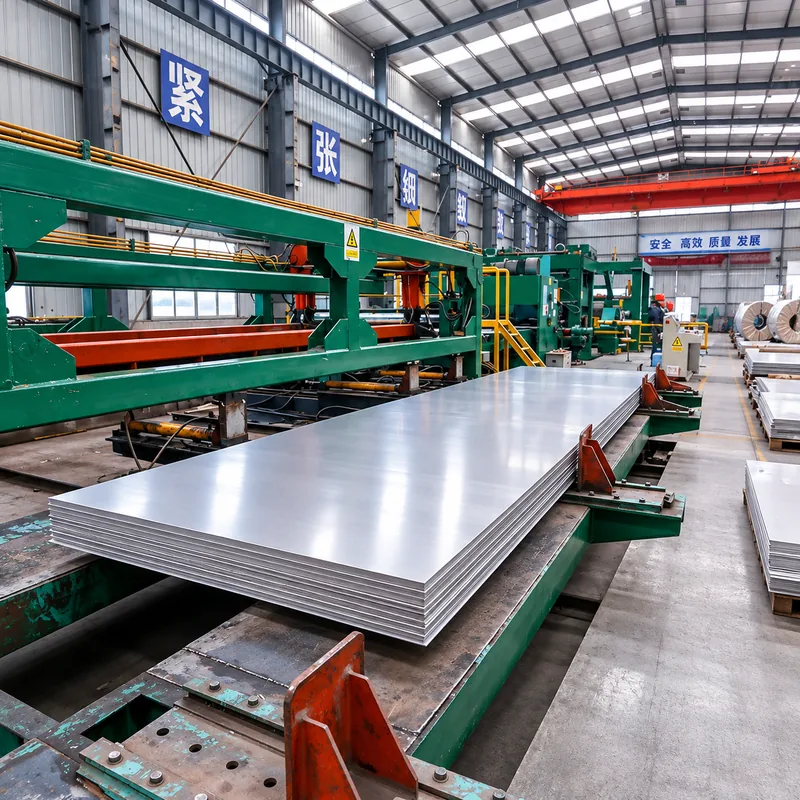
Available in various thicknesses, widths, and lengths, 316 stainless steel plate can be supplied according to ASTM A240 and other applicable standards. Common surface finishes include No.1, 2B, and brushed finishes. Custom cutting, bending, and surface processing are available to meet specific fabrication and project requirements.
316 stainless steel plate is widely used in chemical processing equipment, marine components, storage tanks, heat exchangers, and industrial machinery. Bulk supply, customized dimensions, and material inspection certificates are available according to order requirements.
Product Features
- Excellent Corrosion Resistance:
Provides improved resistance to pitting and crevice corrosion compared with 304 stainless steel, making it suitable for demanding industrial environments. - High Temperature Performance:
Maintains useful mechanical properties at elevated temperatures, making it suitable for selected heat exchangers and industrial equipment. - Good Formability:
Supports bending, forming, and fabrication into various shapes and components according to project requirements. - Reliable Weldability:
Suitable for common industrial welding processes, including TIG and MIG welding, with appropriate welding procedures and filler materials. - Multiple Surface Finishes:
Available in No.1, 2B, and brushed finishes, depending on plate thickness and production specifications. - Custom Processing Options:
Supports custom cutting, drilling, machining, and dimensional processing for industrial equipment and fabrication projects.
Technical Specifications
| Item | Specification |
|---|---|
| Product Name | 316 Stainless Steel Plate |
| Material Grade | AISI 316 / UNS S31600 / EN 1.4401 / SUS316 |
| Standard | ASTM A240 / EN 10088-2 / JIS G 4304 |
| Thickness | 3–100 mm (Custom Available) |
| Width | 1000 / 1219 / 1500 / 2000 mm |
| Length | 2000 / 2438 / 3000 / 6000 mm |
| Surface Finish | No.1 / 2B / Brushed (Subject to Thickness) |
| Edge Type | Mill Edge / Cut Edge |
| Thickness Tolerance | According to Applicable Standard or Order Requirements |
| Processing | Cutting / Bending / Drilling / Machining |
| Inspection Certificate | EN 10204 3.1 (Upon Request) |
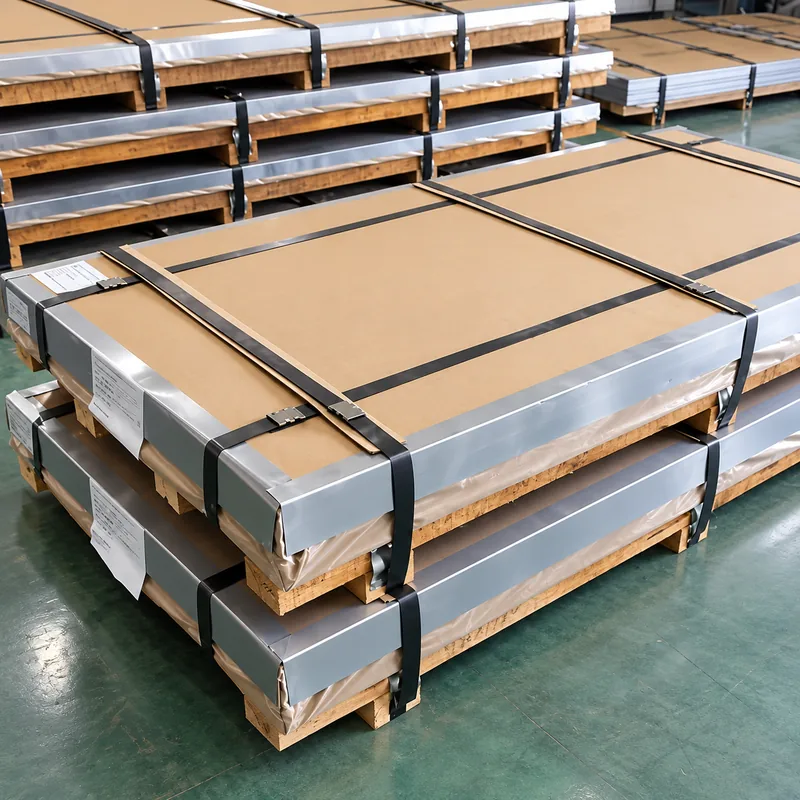
| Packaging | Wooden Pallet / Protective Film / Export Packing |
Applications
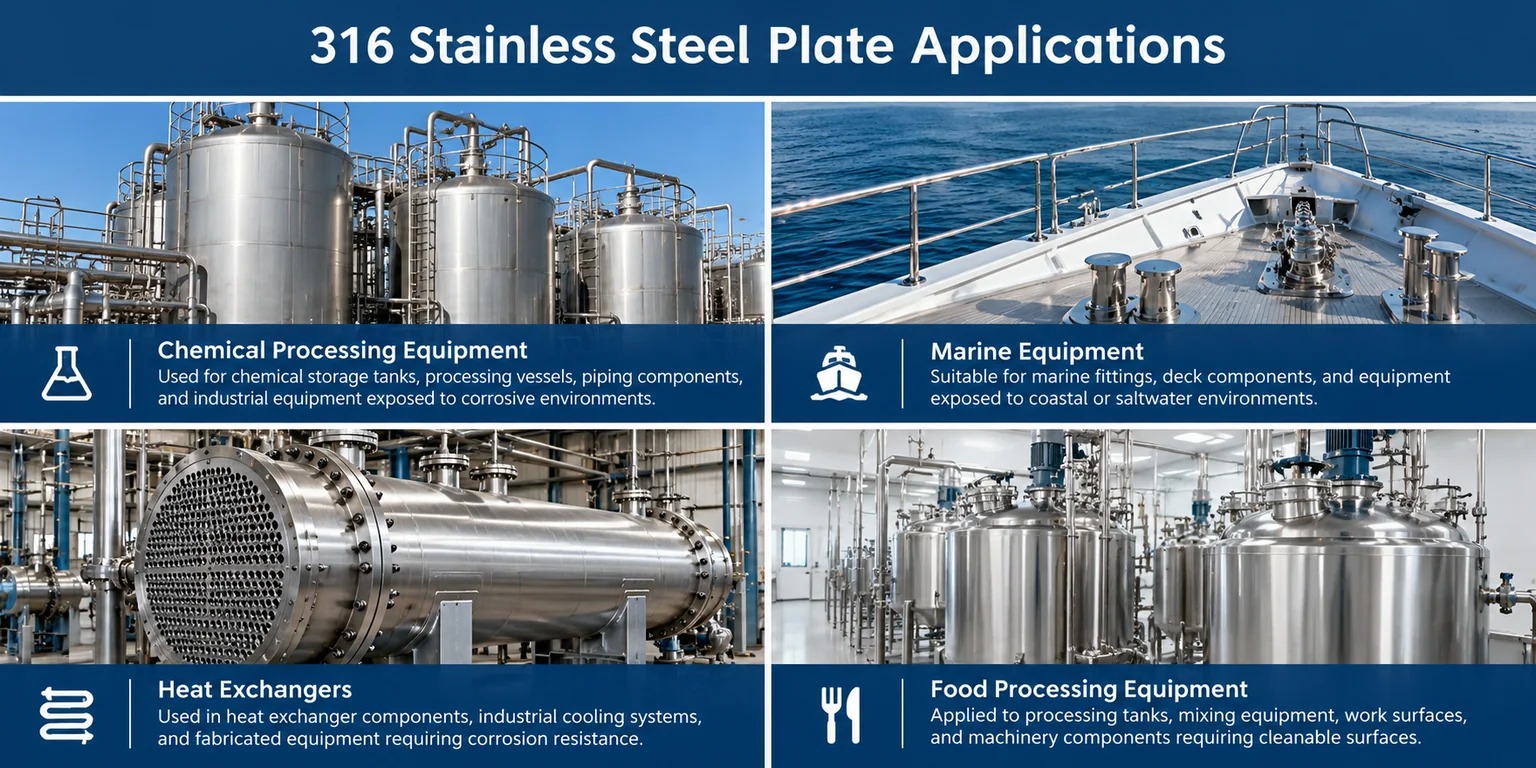
1. Chemical Processing Equipment
316 Stainless Steel Plate is used in the fabrication of chemical storage tanks, processing vessels, piping components, and industrial equipment exposed to corrosive operating environments. Its improved resistance to localized corrosion compared with 304 stainless steel makes it suitable for selected applications involving chemicals, moisture, and chloride-containing solutions. The material can be cut, welded, bent, and machined into customized equipment components according to engineering drawings and fabrication requirements. Manufacturers can select plate thickness, dimensions, and surface finishes based on equipment design, operating temperature, and service conditions. Material compatibility should be verified against the specific chemicals, concentrations, and operating conditions involved.
2. Marine Equipment
316 Stainless Steel Plate is used for selected marine fittings, deck components, equipment housings, mounting plates, and fabricated structures exposed to coastal environments. Its resistance to atmospheric corrosion and improved performance in chloride-containing conditions make it a common material choice for marine-related fabrication. The plate can be processed through cutting, drilling, bending, and welding to produce components according to project specifications. Different thicknesses and surface finishes can be selected based on structural requirements and installation conditions. For continuous seawater immersion, stagnant seawater, or highly aggressive chloride environments, additional corrosion assessment and material selection may be necessary.
3. Heat Exchangers
316 Stainless Steel Plate is used in the manufacture of selected heat exchanger components, industrial cooling equipment, equipment housings, and fabricated assemblies requiring corrosion resistance. Its mechanical properties and fabrication characteristics support applications involving controlled operating temperatures and compatible process fluids. The material can be cut, formed, machined, and welded into components according to equipment drawings and manufacturing requirements. Plate thickness and dimensional tolerances can be specified to accommodate fabrication methods and assembly requirements. Equipment manufacturers should evaluate operating pressure, temperature, fluid composition, and applicable engineering standards when selecting materials for heat transfer systems.
4. Food Processing Equipment
316 Stainless Steel Plate is used in food processing tanks, mixing equipment, work surfaces, machinery components, and fabricated assemblies requiring corrosion resistance and cleanable surfaces. Its suitability for selected food processing environments makes it useful for equipment exposed to moisture, cleaning solutions, and routine sanitation procedures. The plate can be cut, welded, bent, and polished according to equipment design and surface finish requirements. Manufacturers can specify customized dimensions and surface treatments to support hygienic equipment fabrication and production processes. Surface condition, weld quality, cleaning procedures, and applicable food-contact requirements should be considered when selecting the finished material.
Frequently Asked Questions (FAQ)
1. What is the difference between 316 and 304 stainless steel plate?
316 stainless steel plate provides better resistance to pitting and crevice corrosion than 304 stainless steel, particularly in certain chloride-containing environments. It is commonly selected for chemical processing, coastal equipment, and industrial applications requiring improved corrosion resistance.
2. What sizes are available for 316 stainless steel plate?
Common thicknesses range from 3 mm to 100 mm, with widths of 1000, 1219, 1500, and 2000 mm. Standard lengths include 2000, 2438, 3000, and 6000 mm. Custom dimensions can be arranged depending on production capabilities and order requirements.
3. What standards apply to 316 stainless steel plate?
316 stainless steel plate can be supplied according to ASTM A240/A240M, EN 10088-2, and applicable JIS standards. Common material designations include UNS S31600, EN 1.4401, and SUS316. Buyers should specify the required standard when requesting a quotation.
4. What surface finishes are available?
Available surface finishes may include No.1, 2B, and brushed finishes, depending on plate thickness and processing requirements. No.1 is commonly used for hot-rolled plates, while 2B and brushed finishes are generally associated with thinner products or additional surface processing.
5. Can 316 stainless steel plate be cut and welded?
Yes. 316 stainless steel plate supports cutting, bending, drilling, machining, and welding. Custom processing can be arranged according to drawings, dimensional tolerances, and fabrication requirements. Appropriate welding procedures should be selected for the intended application.
6. Is 316 stainless steel plate suitable for marine applications?
316 stainless steel plate is commonly used for marine fittings, coastal equipment, and fabricated components exposed to moisture and salt-containing atmospheres. However, it is not completely resistant to seawater corrosion. Continuous immersion and severe chloride exposure require additional material evaluation.
7. Can you provide material inspection certificates?
Material inspection certificates, including EN 10204 3.1, can be provided when specified and confirmed with the order. Chemical composition, mechanical properties, and dimensional inspection requirements should be agreed upon before production or shipment.
8. How can I request a quotation for 316 stainless steel plate?
Please provide the required material grade, applicable standard, thickness, width, length, surface finish, quantity, and delivery destination. If cutting, machining, or special inspection is required, please include the relevant drawings or technical specifications for an accurate quotation.