Wholesale Galvanized Binding Wire
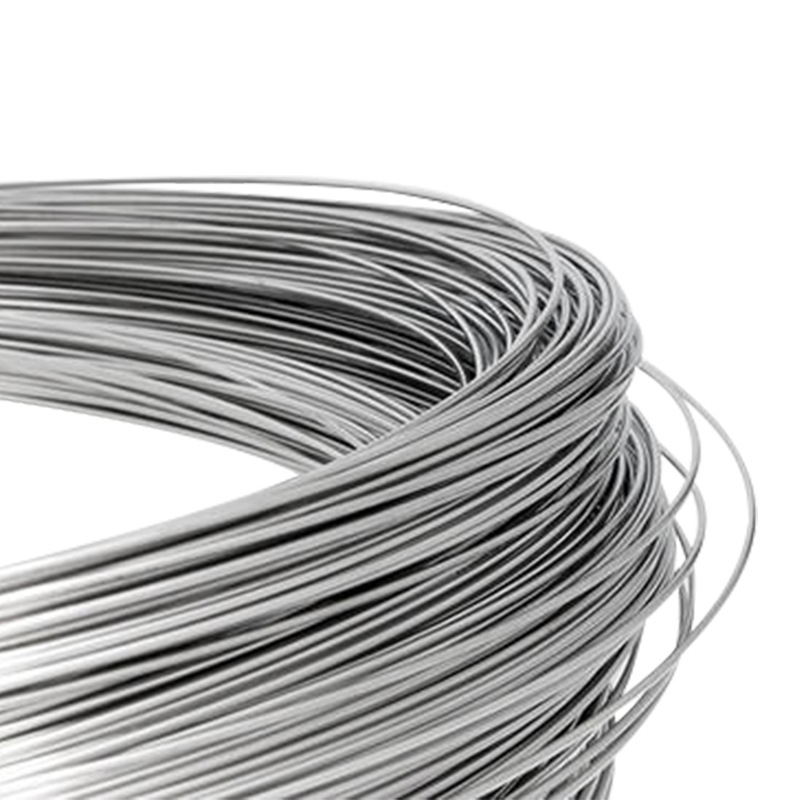
Wholesale Galvanized Binding Wire
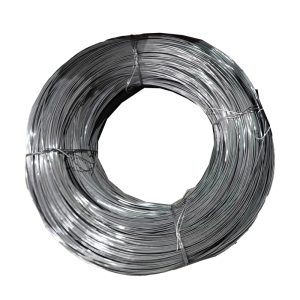
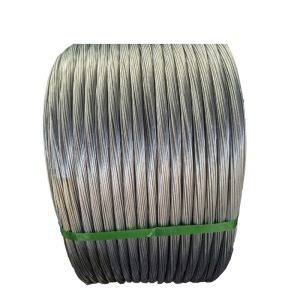
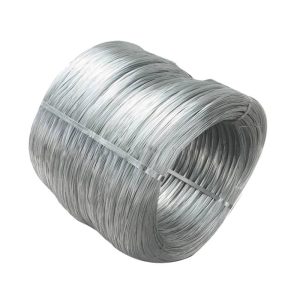
Galvanized Binding Wire is used for construction tying, reinforcement fastening, and general-purpose bundling. Available in various wire diameters and coil sizes, it can be supplied with different zinc coating options to meet handling and installation requirements for wholesale and bulk purchasing.
- Mill Test Certificate Provided
- Strict Quality Inspection
- Custom Sizes Available
- On-Time Global Delivery
Galvanized Binding Wire is manufactured from low-carbon steel wire rod through controlled drawing, annealing, and galvanizing processes. Annealing adjusts the mechanical properties of the steel, improving ductility and allowing the finished wire to bend and twist without excessive resistance. The processing sequence is selected according to the required material condition and manufacturing method.
Quality inspections focus on surface cleanliness, coating continuity, and visible defects. Mechanical testing may include tensile strength and elongation, while coating evaluations can assess adhesion and surface coverage. Inspection methods and acceptance criteria are determined by the applicable standard or agreed technical requirements. Similar quality considerations also apply to galvanized steel wire used in construction, fencing, and industrial applications.
Finished wire is wound into compact, orderly coils to facilitate storage and transportation. Commercial orders may include specified winding arrangements, protective wrapping, package identification, and shipment preparation requirements. Batch records and inspection certificates can be provided when agreed upon before production.
Product Features
- Easy Manual Twisting: Suitable wire grades can be twisted using binding hooks or hand tools to form fastening loops without requiring specialized installation equipment.
- Adjustable Tie Tightness: Operators can control the number of twists and applied tension to suit different fastening arrangements and avoid unnecessary wire breakage.
- Convenient Cutting: The wire can be cut into required lengths using standard wire cutters, allowing workers to prepare individual ties at the installation site.
- Flexible Loop Formation: The wire can be shaped into single-loop, double-loop, or crossed tying arrangements depending on the fastening method and available working space.
- Compact Fastening Profile: Properly formed wire ties occupy relatively little space around connection points, making them practical where bulky fastening components are unsuitable.
- Easy On-Site Adjustment: Individual ties can be repositioned or replaced during assembly, allowing workers to correct fastening arrangements before final installation.
Technical Specifications
| Parameter | Specification |
|---|---|
| Product Name | Galvanized Binding Wire |
| Material | Low Carbon Steel |
| Steel Grade | Q195, Q235 or Equivalent (Subject to Confirmation) |
| Wire Diameter | 0.7–4.0 mm (Reference Range) |
| Wire Gauge | 8–22 BWG (Reference Range) |
| Tensile Strength | 300–550 MPa (43,500–79,800 psi, Reference Range) |
| Elongation | According to Material Condition and Specification |
| Galvanizing Type | Hot-Dip Galvanized / Electro Galvanized |
| Zinc Coating Mass | According to Coating Class and Wire Diameter |
| Surface Finish | Galvanized, Smooth Surface |
| Wire Condition | Soft Annealed / As Specified |
| Applicable Standards | ASTM A641/A641M or Agreed Specification, Where Applicable |
| Supply Form | Coils / Cut-Length Wire |
| Coil Weight | According to Order Requirements |
| Packaging | Protective Wrapping / Cartons / Pallets |
Applications
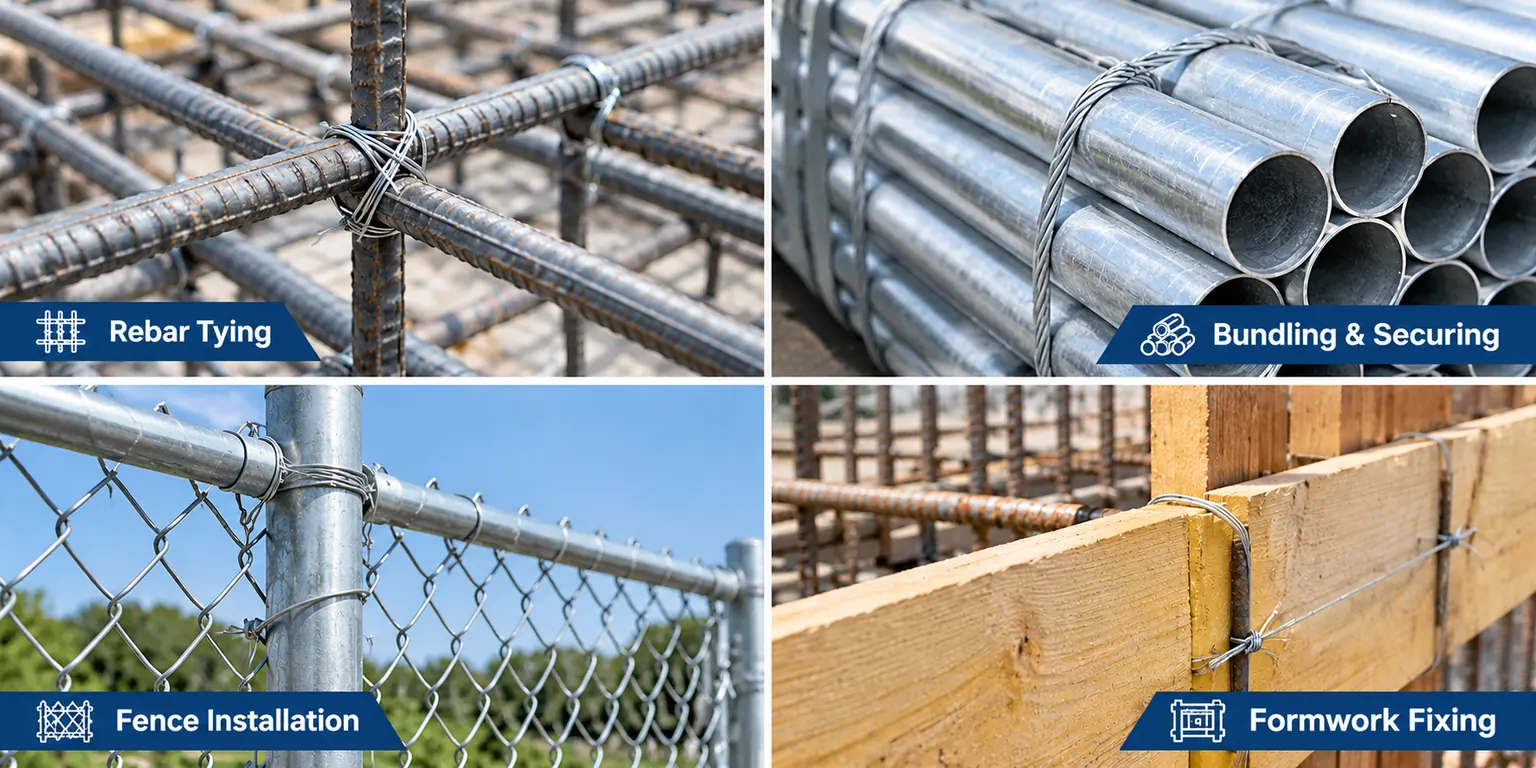
Galvanized Binding Wire is widely used in construction, material handling, fencing, and temporary assembly operations. Its ability to form twisted connections makes it suitable for securing components during installation, transportation preparation, and site organization. Different tying methods can be selected according to the materials being connected, the required holding force, and the working environment. Binding wire is generally intended for fastening and positioning rather than replacing engineered structural connections or certified load-securing systems.
- Rebar Tying: Galvanized binding wire is commonly used to secure intersecting reinforcing bars during the preparation of concrete foundations, columns, beams, slabs, and reinforcement cages. Workers wrap the wire around bar intersections and twist the ends using manual tying hooks or suitable tools. These connections help maintain reinforcement positioning before and during concrete placement. Wire selection and tying arrangements should follow the reinforcement installation requirements, while the specified concrete cover and reinforcement layout must be maintained.
- Bundling and Securing: Galvanized binding wire is used for organizing and fastening groups of steel pipes, metal rods, construction materials, and other components during storage and handling. Individual wire ties can be positioned around material bundles to reduce unwanted movement and maintain orderly arrangements. The number of ties, fastening locations, and wire dimensions should be selected according to bundle geometry and handling conditions. Binding wire should not be used as a substitute for rated lifting slings or certified transport restraints.
- Fence Installation: Galvanized binding wire is used to attach chain-link mesh and other compatible fencing materials to steel posts, horizontal rails, and supporting frames. Installers can form individual ties at selected attachment points to hold the fence fabric in position and maintain the required alignment. Tie spacing, fastening methods, and wire selection depend on the fence configuration, mesh type, and environmental exposure. Connections should be inspected to ensure that sharp wire ends do not create unnecessary safety hazards.
- Formwork Fixing: Galvanized binding wire can be used for temporary positioning and fastening of selected formwork accessories, timber components, and non-load-bearing installation elements during concrete construction. Wire ties help hold compatible components in place while workers complete assembly and alignment. The fastening arrangement should be selected according to the materials involved and the intended temporary function. Binding wire must not replace engineered formwork ties, clamps, or bracing systems designed to resist fresh concrete pressure and other construction loads.
Frequently Asked Questions (FAQ)
1. What is the difference between galvanized binding wire and black annealed binding wire?
Galvanized binding wire has a zinc coating that provides additional protection against atmospheric corrosion, while black annealed binding wire generally has no zinc coating. Black annealed wire is commonly selected for indoor construction work, whereas galvanized wire may be preferred in humid or exposed environments. Actual corrosion resistance depends on the coating condition and service environment.
2. Is hot-dip galvanized or electro galvanized binding wire better for outdoor use?
Hot-dip galvanized binding wire generally offers better protection for prolonged outdoor exposure when it has a substantially heavier zinc coating. Electro galvanized wire typically has a thinner, more uniform coating and may be suitable for less demanding environments. The appropriate choice depends on the specified coating mass, exposure conditions, and expected service life.
3. Can galvanized binding wire be used with automatic rebar tying machines?
Not all galvanized binding wires are compatible with automatic rebar tying machines. Machine compatibility depends on wire diameter, mechanical properties, spool dimensions, and feeding requirements. Buyers should confirm the tying machine model and manufacturer’s approved wire specifications before ordering.
4. How can wire breakage during twisting be reduced?
Wire breakage can be reduced by selecting a suitable material condition, avoiding excessive twisting, and using appropriate tying tools. Repeated sharp bending and overtightening may cause localized damage. If frequent breakage occurs, the wire’s ductility, diameter, and suitability for the tying method should be checked.
5. Can galvanized binding wire be used in direct contact with other metals?
Galvanized binding wire can contact many common construction metals, but compatibility depends on the materials and exposure conditions. In wet environments, contact with certain dissimilar metals may accelerate galvanic corrosion. For installations involving stainless steel, copper, or aluminum, the contact conditions and corrosion-protection requirements should be evaluated.
6. What information should buyers provide when requesting a quotation?
Buyers should provide the intended application, required quantity, destination country, and any project-specific technical requirements. If a particular tying machine, fastening method, or exposure environment is involved, these details should also be included. Clear purchasing information helps suppliers confirm product suitability and prepare accurate quotations.