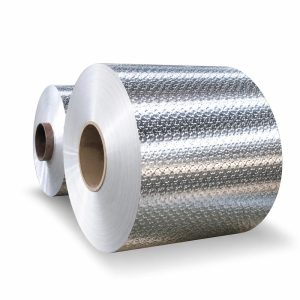
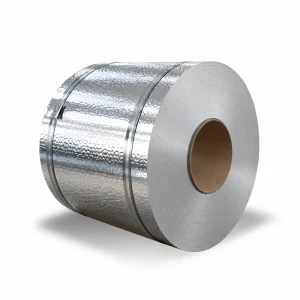
1100 Embossed Aluminum Coil
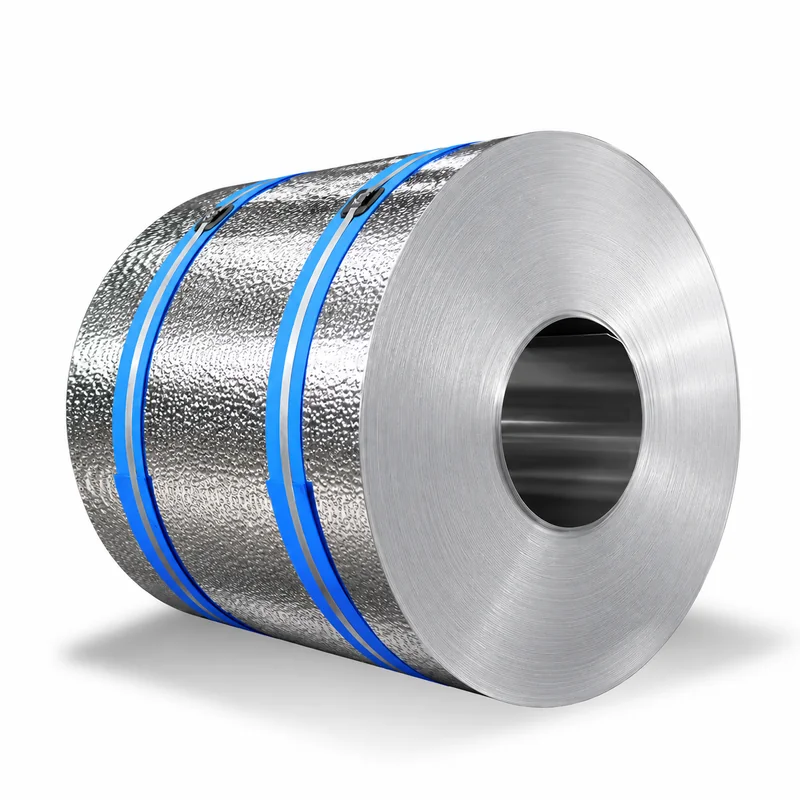
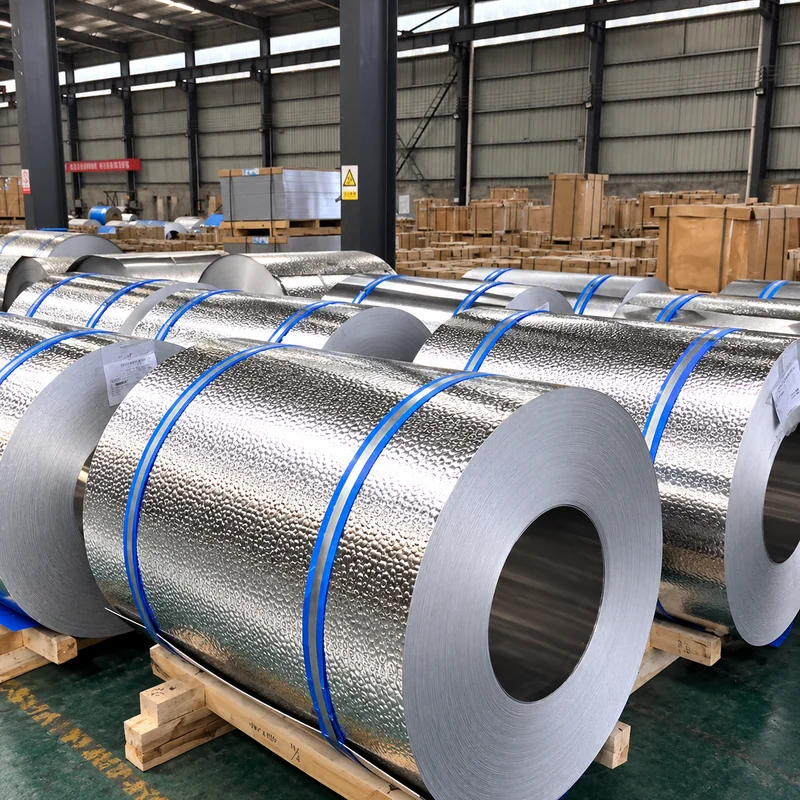
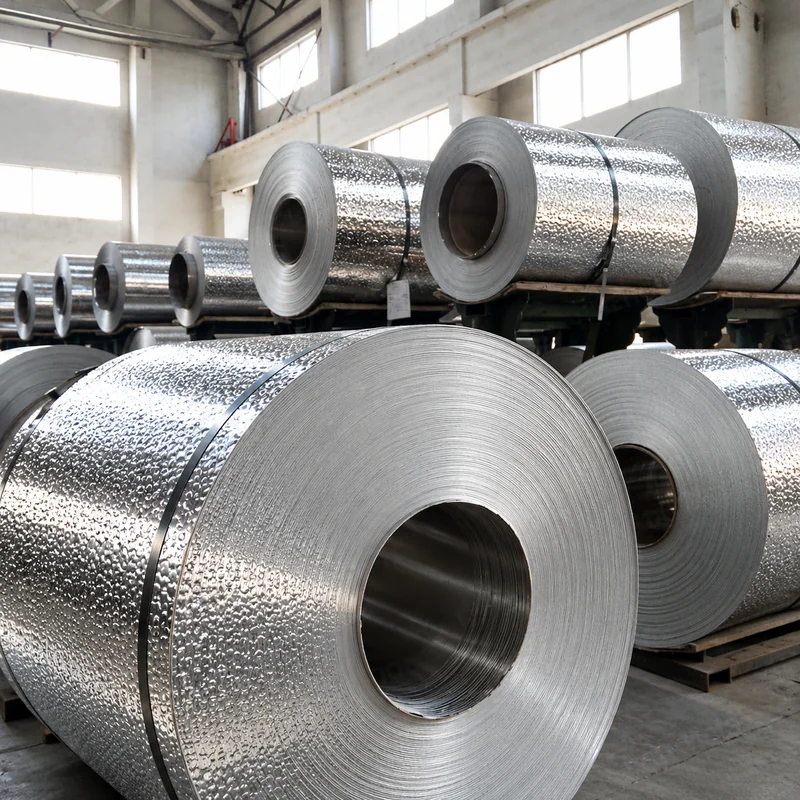
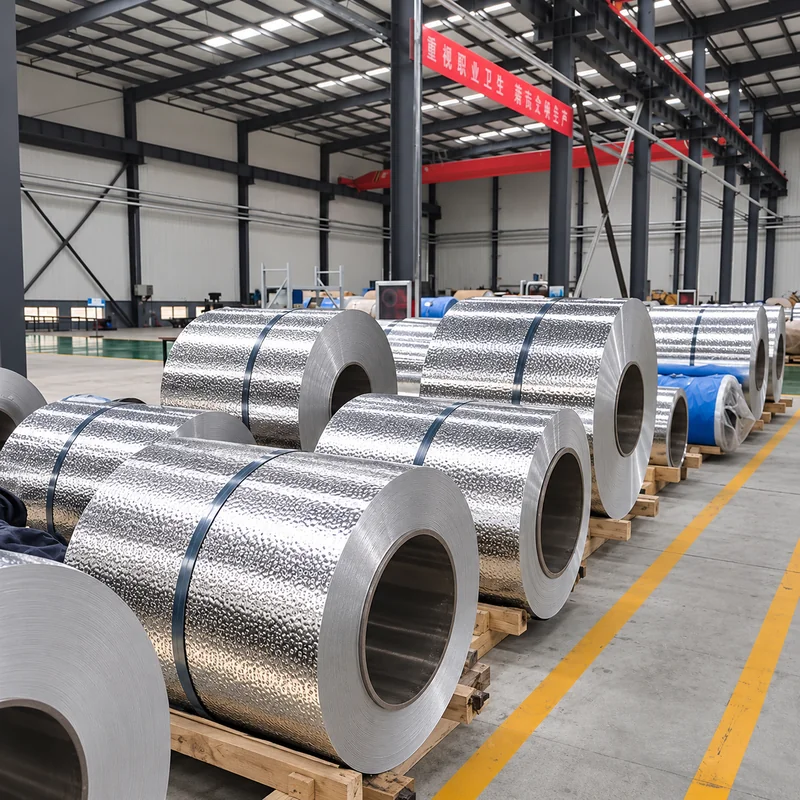
1100 Embossed Aluminum Coil
1100 Embossed Aluminum Coil is available in various thicknesses, widths, and embossed patterns for insulation cladding, decorative panels, and industrial fabrication. Stucco and other textured finishes provide a distinctive surface appearance and help conceal minor surface imperfections. Custom specifications and coil processing options are available to meet project requirements.
- Mill Test Certificate Provided
- Strict Quality Inspection
- Custom Sizes Available
- On-Time Global Delivery
1100 Embossed Aluminum Coil is manufactured from commercially pure aluminum with a mechanically textured surface. It offers good formability, corrosion resistance, and a distinctive embossed finish, making it suitable for insulation cladding, decorative panels, and general industrial fabrication.
Stucco and other embossed patterns provide a textured appearance that helps conceal minor scratches and surface imperfections. The material is commonly used for pipe insulation jacketing, HVAC equipment coverings, architectural decoration, and protective metal cladding where surface durability and processing flexibility are important.
Available in various thicknesses, widths, tempers, and embossing patterns, 1100 aluminum coil supports cutting, bending, roll forming, and other fabrication processes. Custom specifications, slitting, and cut-to-length processing can be arranged according to project dimensions, manufacturing requirements, and order quantities for industrial applications.
Product Features
- Stucco Embossed Surface: Textured patterns provide a distinctive finish and help conceal minor scratches and surface imperfections.
- Good Formability: Suitable for cutting, bending, roll forming, and fabrication into insulation covers and decorative components.
- Corrosion Resistance: The commercially pure aluminum substrate provides natural corrosion resistance for various industrial environments.
- Lightweight Material: Low material density facilitates handling, transportation, and installation of insulation cladding and protective coverings.
- Versatile Industrial Applications: Used for pipe insulation jacketing, HVAC equipment covers, decorative panels, and protective metal cladding.
- Custom Specifications: Thickness, width, temper, and embossing pattern can be specified according to project and fabrication requirements.
Technical Specifications
| Parameter | Specification |
|---|---|
| Product Name | 1100 Embossed Aluminum Coil |
| Alloy Grade | 1100 (Al ≥ 99.00%) |
| Applicable Standards | ASTM B209 / EN 485 (Substrate) |
| Temper | O, H14, H24 (Subject to Availability) |
| Thickness | 0.20–1.50 mm (Customizable) |
| Width | 600–1500 mm (Customizable) |
| Embossing Pattern | Stucco / Custom Patterns |
| Surface Finish | Embossed / Mill Finish |
| Coil Inner Diameter | 508 mm / 610 mm |
| Processing | Slitting / Cut-to-Length |
| Applications | Insulation Jacketing, HVAC Covers, Decorative Panels, Protective Cladding |
| Packaging | Export Packaging / As Required |
Applications
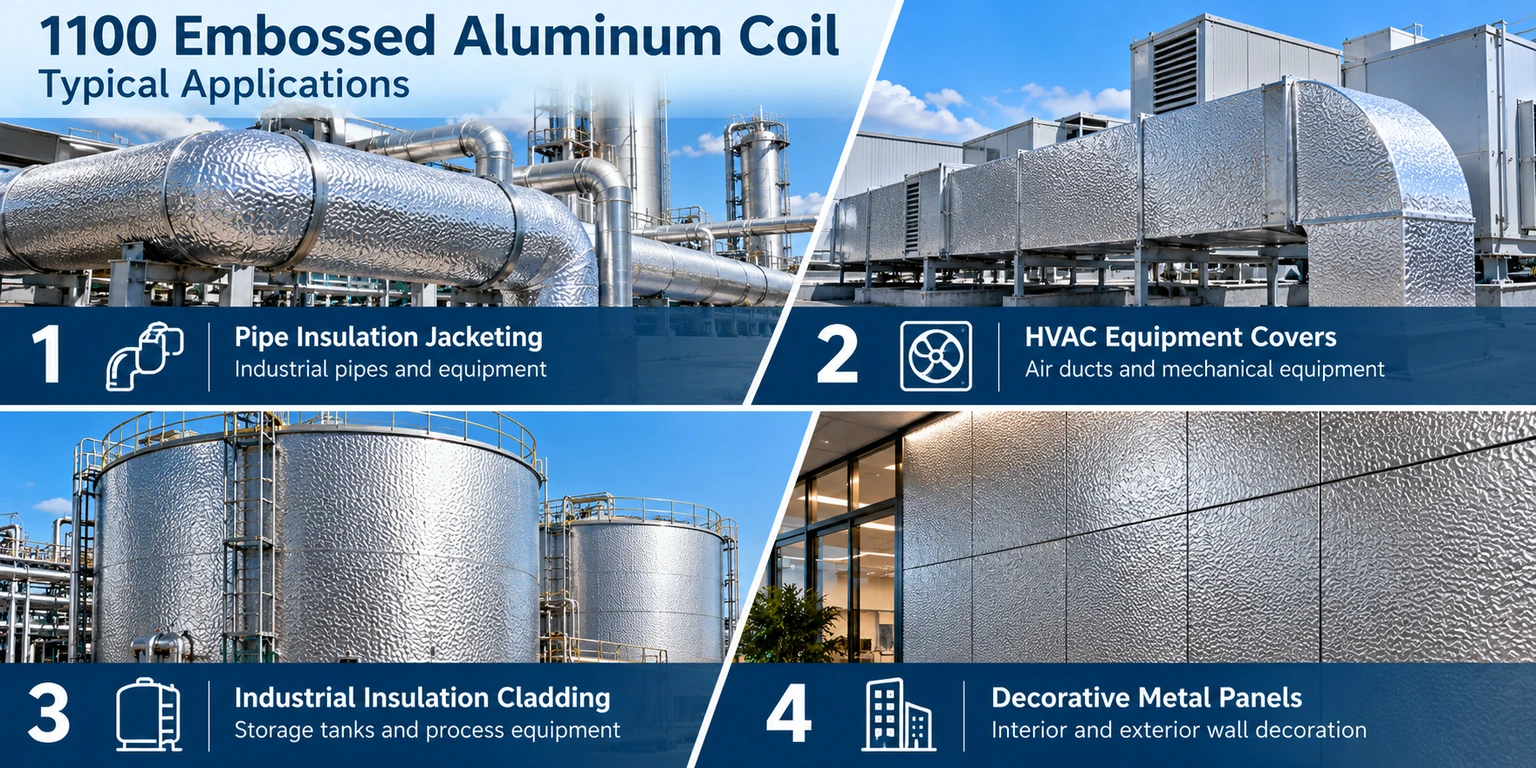
1. Pipe Insulation Jacketing
1100 embossed aluminum coils are used to manufacture protective jacketing for insulated pipes in chemical plants, power stations, and industrial processing facilities. The stucco embossed surface helps conceal minor scratches and handling marks, while the aluminum substrate provides good corrosion resistance and formability. The material can be cut, rolled, and shaped into cylindrical covers for different pipe diameters. Jacket thickness, fastening methods, moisture barriers, and environmental exposure should be considered to ensure effective protection of the underlying insulation system.
2. HVAC Equipment Covers
1100 embossed aluminum coils are used to fabricate protective coverings for HVAC ducts, air handling units, and insulated mechanical equipment. The lightweight aluminum substrate supports cutting, bending, and forming into customized panels and duct coverings. Its textured surface provides a consistent industrial appearance and helps conceal minor surface imperfections. Properly installed aluminum jacketing helps protect insulation against mechanical damage and environmental exposure. Material thickness, equipment dimensions, joint sealing, and installation requirements should be specified according to the intended HVAC application.
3. Industrial Insulation Cladding
1100 stucco embossed aluminum coils are suitable for protective cladding on insulated storage tanks, vessels, and industrial processing equipment. The embossed surface provides a textured outer finish, while the aluminum substrate offers corrosion resistance and relatively low weight. The material can be fabricated into curved sections and flat panels to accommodate different equipment geometries. Typical applications include chemical processing plants, thermal storage systems, and industrial insulation installations. Cladding thickness, fastening arrangements, moisture protection, temperature exposure, and operating conditions should be evaluated during material selection.
4. Decorative Metal Panels
1100 embossed aluminum coils can be processed into decorative wall panels, interior coverings, equipment panels, and textured architectural components. The embossed pattern creates a distinctive surface appearance and helps conceal minor scratches and imperfections. Its good formability supports cutting, bending, and fabrication into customized panel shapes. The lightweight material is suitable for non-structural decorative applications in commercial interiors and industrial environments. Embossing pattern, material temper, panel rigidity, surface finish, and dimensional tolerances should be selected according to design and fabrication requirements.
Frequently Asked Questions (FAQ)
1. What is 1100 Embossed Aluminum Coil?
1100 Embossed Aluminum Coil is manufactured from commercially pure aluminum containing at least 99.0% aluminum, with a mechanically embossed surface. It offers good formability, corrosion resistance, and a textured finish for insulation jacketing, protective cladding, and decorative applications.</p >
2. What is the difference between stucco embossed and smooth aluminum coil?
Stucco embossed aluminum coil features a raised, irregular surface pattern, while smooth aluminum coil has a relatively flat finish. The embossed texture helps conceal minor scratches, handling marks, and surface imperfections. Both materials can be used for fabrication, but the selection depends on appearance, forming requirements, and the intended application.</p >
3. Can 1100 Embossed Aluminum Coil be bent or roll formed?
Yes. 1100 aluminum offers good formability and can be processed through cutting, bending, roll forming, and shaping. It is commonly fabricated into pipe insulation jackets, equipment covers, and curved cladding panels. The appropriate temper, material thickness, and bending radius should be selected to minimize surface damage during processing.</p >
4. What are the main applications of 1100 Embossed Aluminum Coil?
Typical applications include pipe insulation jacketing, HVAC equipment covers, industrial tank insulation cladding, and decorative metal panels. The embossed surface provides a textured appearance, while the lightweight aluminum substrate facilitates fabrication and installation. Material thickness and installation requirements should be selected according to the operating environment.</p >
5. Can thickness, width, and embossing patterns be customized?
Thickness, width, temper, and embossing patterns can be specified according to project requirements and supplier capabilities. Stucco embossing is a common option, while other patterns may be available upon request. Customers should confirm whether the specified thickness refers to the original aluminum substrate or the finished embossed material.</p >
6. What information should I provide when requesting a quotation?
Please provide the alloy grade, temper, thickness, width, embossing pattern, order quantity, and destination port. Additional requirements such as coil inner diameter, dimensional tolerances, surface finish, packaging, and slitting or cut-to-length processing should also be specified when applicable.</p >