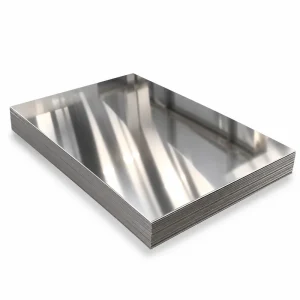
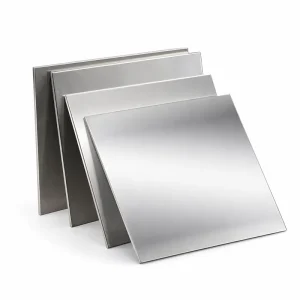
420 Stainless Steel Plate
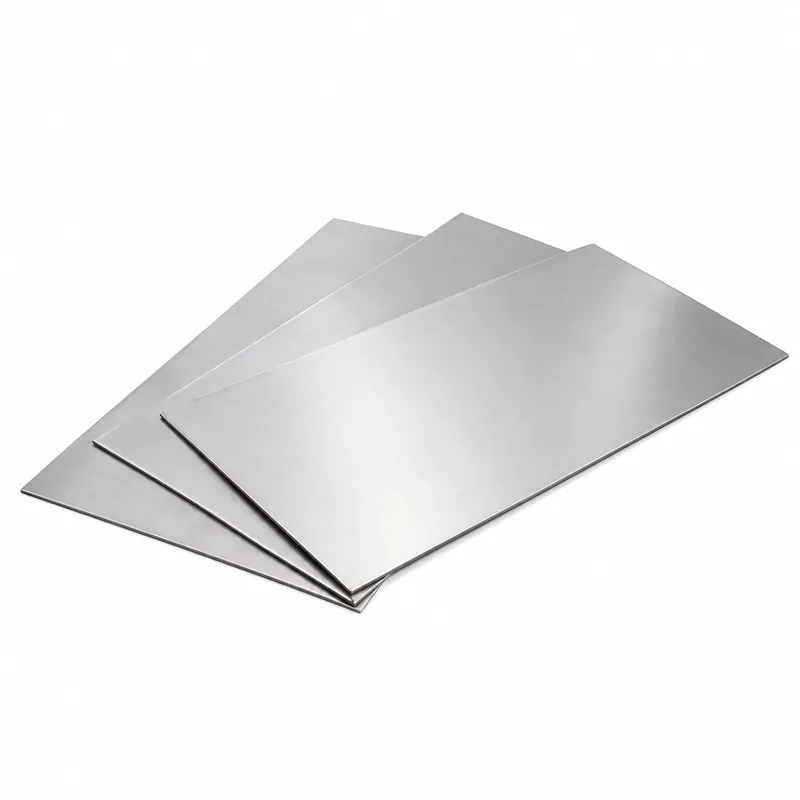
420 Stainless Steel Plate
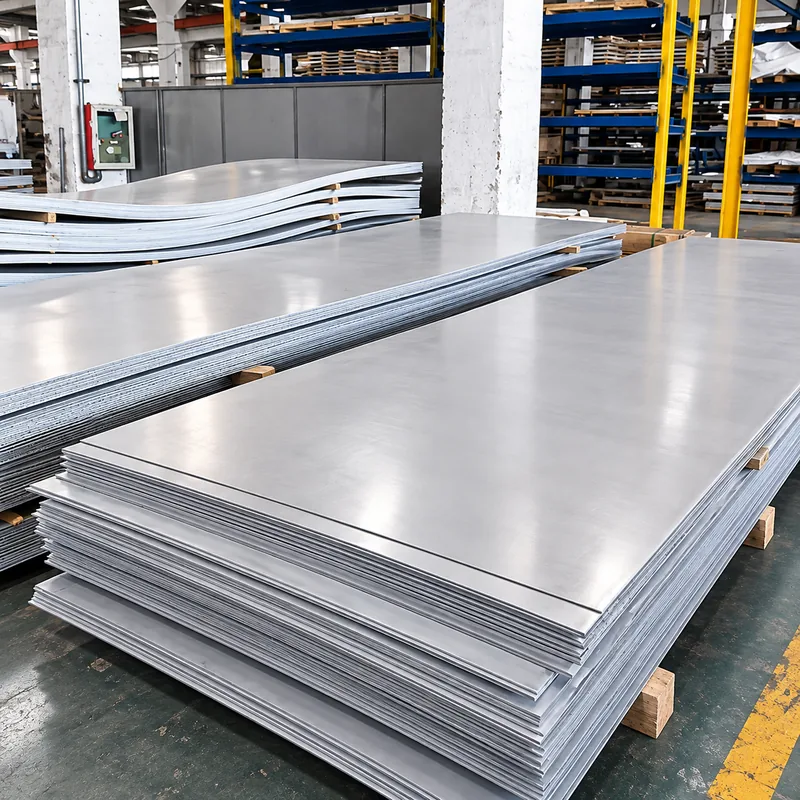
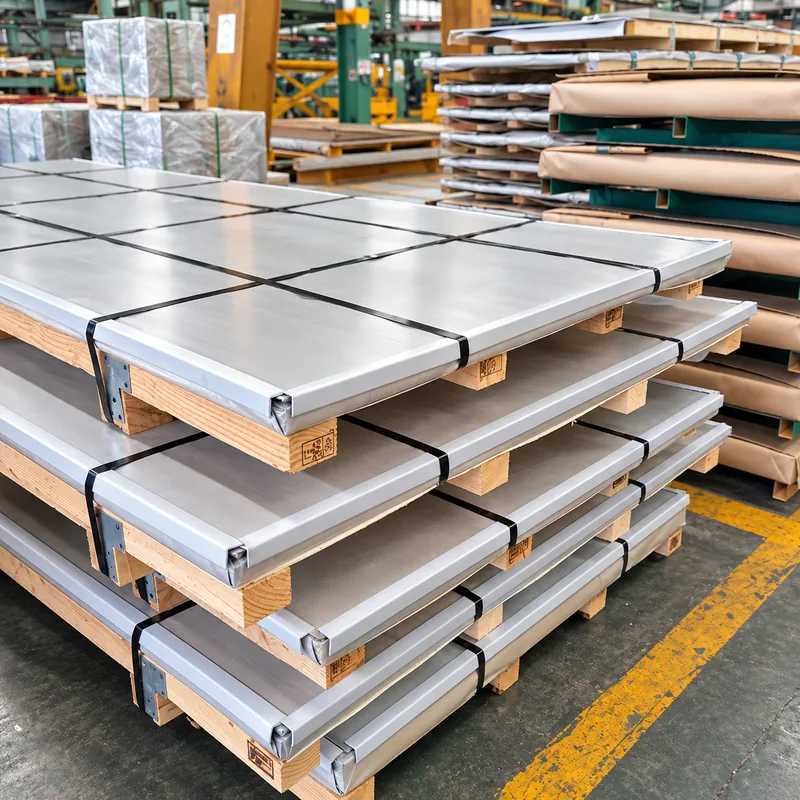
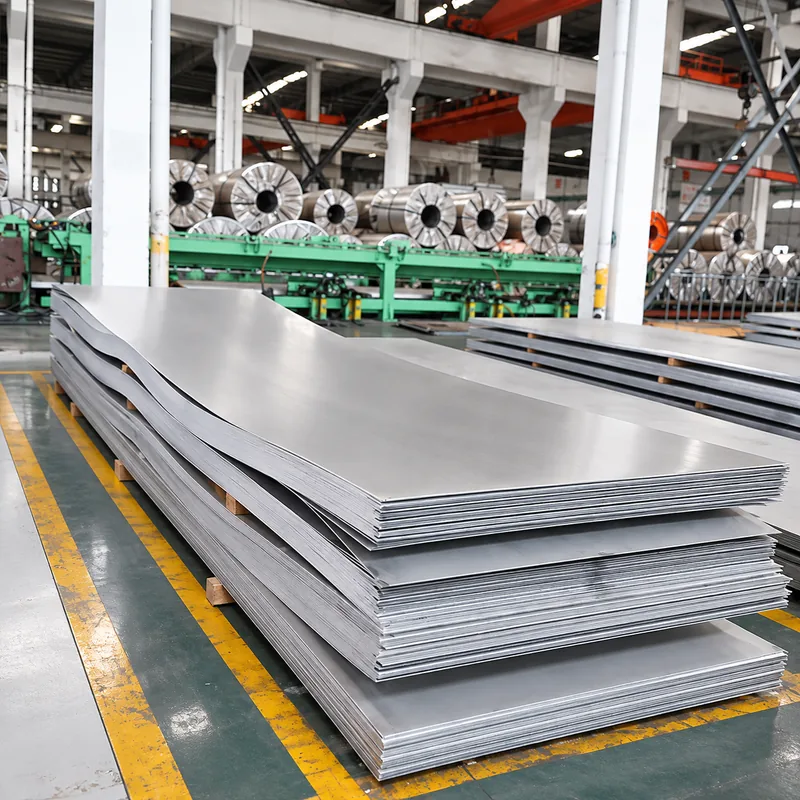
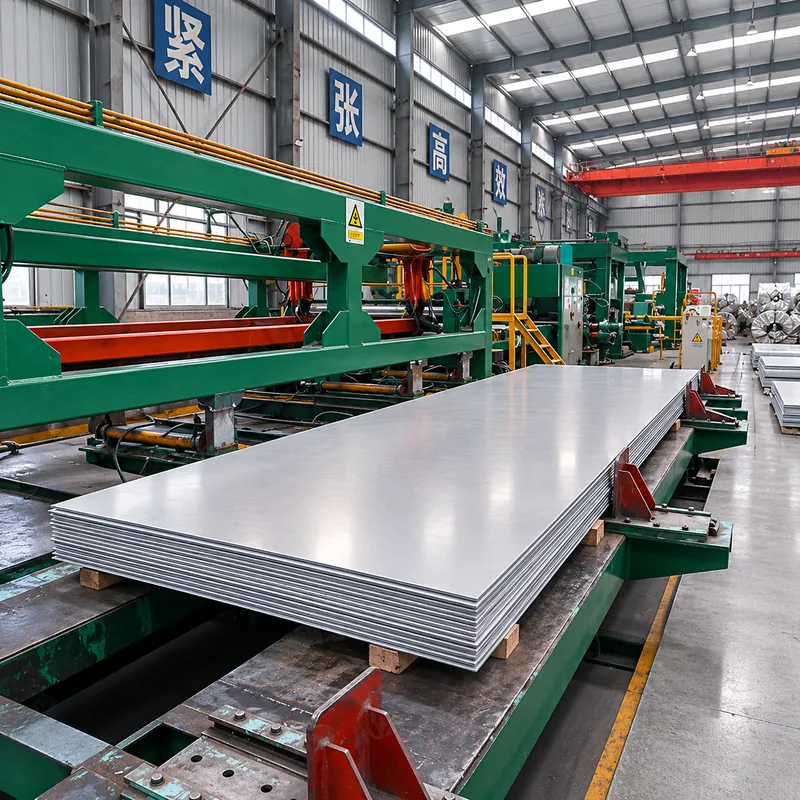
420 Stainless Steel Plate offers good hardness, wear resistance, and heat treatment performance for industrial applications. Available in various thicknesses, widths, and surface finishes, with custom cutting and processing options. Suitable for machinery components, cutting tools, molds, and wear-resistant parts. Bulk supply and customized dimensions are available upon request.
- Mill Test Certificate Provided
- Strict Quality Inspection
- Custom Sizes Available
- On-Time Global Delivery
420 Stainless Steel Plate is a martensitic stainless steel known for its ability to achieve high hardness and good wear resistance through heat treatment. It provides moderate corrosion resistance under suitable operating conditions and is commonly selected for industrial components requiring mechanical strength, surface durability, and resistance to wear. Its properties can be adjusted through appropriate hardening and tempering processes.
Available in various thicknesses, widths, and lengths, 420 stainless steel plate can be supplied according to applicable ASTM, EN, and JIS standards. Common supply conditions include annealed and heat-treated states, depending on manufacturing and application requirements. Custom cutting, machining, grinding, and surface finishing can be arranged according to technical drawings and dimensional specifications.
420 stainless steel plate is widely used in cutting tools, industrial blades, molds, machinery components, valve parts, and wear-resistant equipment. Material hardness, heat treatment condition, and dimensional tolerances can be specified according to project requirements. Bulk supply, customized sizes, and material inspection certificates are available subject to order specifications.
Product Features
- High Hardness:
Can achieve high hardness through appropriate heat treatment, making it suitable for cutting tools, industrial blades, and mechanical components requiring surface durability. - Good Wear Resistance:
Provides resistance to mechanical wear and abrasion in the hardened condition, supporting applications involving repeated contact and friction. - Heat Treatment Capability:
Supports hardening and tempering processes to achieve specified hardness and mechanical properties according to application requirements. - Moderate Corrosion Resistance:
Offers corrosion resistance in mild atmospheric and selected industrial environments, although its performance is generally lower than 304 and 316 stainless steel. - Machining Performance:
Can be cut, drilled, ground, and machined into industrial components, with machining generally easier in the annealed condition. - Custom Processing Options:
Available with custom cutting, grinding, surface finishing, and dimensional processing to meet industrial fabrication and equipment manufacturing requirements.
Technical Specifications
| Item | Specification |
|---|---|
| Product Name | 420 Stainless Steel Plate |
| Material Grade | AISI 420 / UNS S42000 / EN 1.4021 / SUS420J1 (Grade Requirements May Differ) |
| Standard | ASTM A240 / EN 10088-2 / JIS G 4304 |
| Thickness | 3–100 mm (Subject to Availability) |
| Width | 1000 / 1219 / 1500 / 2000 mm |
| Length | 2000 / 2438 / 3000 / 6000 mm |
| Surface Finish | No.1 / 2B / Ground (Subject to Availability) |
| Heat Treatment | Annealed / Hardened / Tempered (As Specified) |
| Hardness | According to Grade, Heat Treatment and Order Requirements |
| Thickness Tolerance | According to Applicable Standard or Order Requirements |
| Processing | Cutting / Drilling / Machining / Grinding |
| Inspection Certificate | EN 10204 3.1 (Upon Request) |
Applications
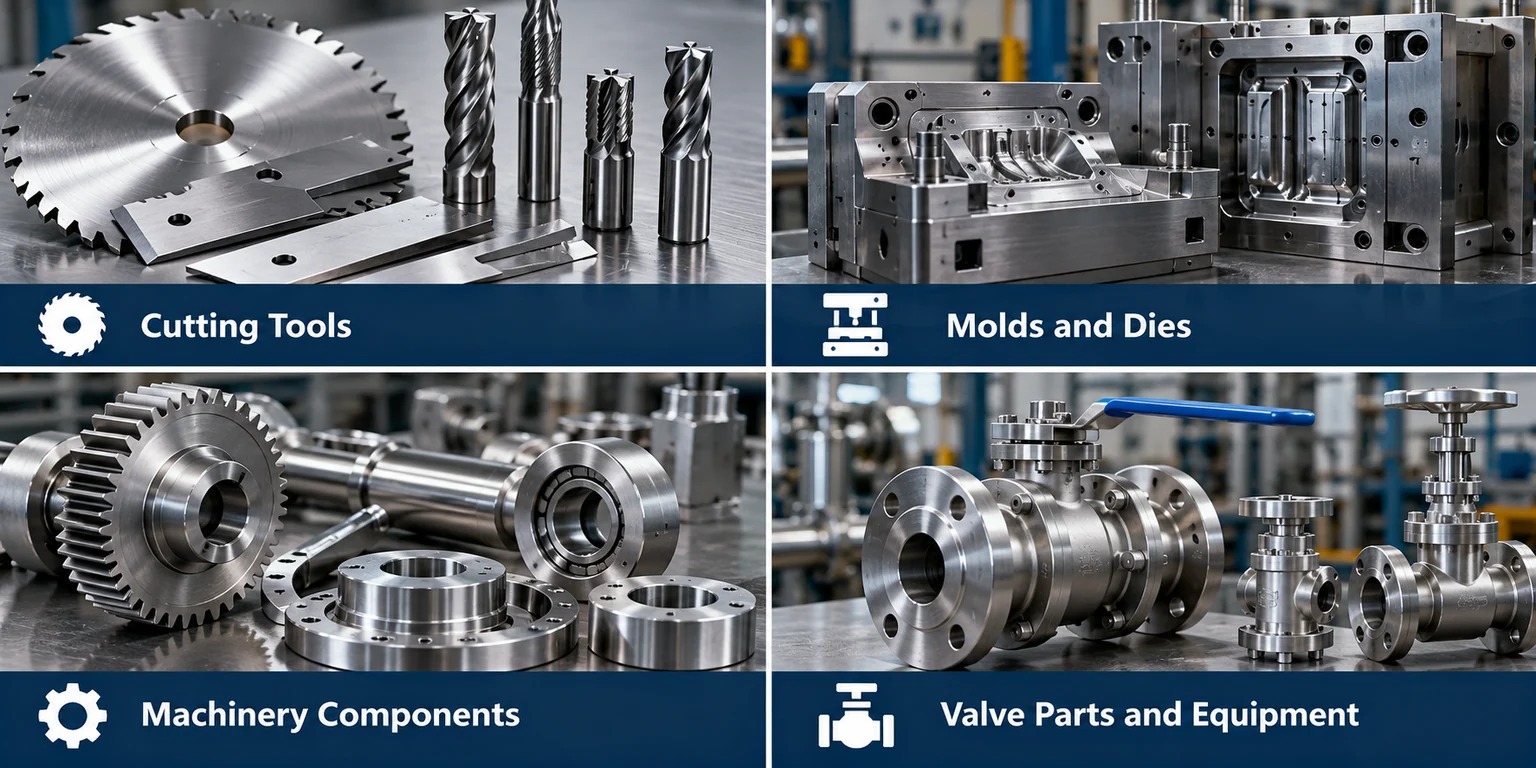
1. Cutting Tools
420 Stainless Steel Plate is used in the production of industrial cutting blades, trimming tools, and specialized cutting components requiring high hardness and wear resistance. Its martensitic structure allows the material to be hardened and tempered to achieve mechanical properties suitable for selected cutting applications. The plate can be cut, machined, ground, and heat-treated according to tool geometry and manufacturing requirements. Manufacturers can specify material thickness, hardness, and surface finish based on cutting conditions and expected service life. Proper heat treatment and finishing are important for maintaining edge performance and dimensional stability during operation.
2. Molds and Dies
420 Stainless Steel Plate is used for selected molds, dies, mold inserts, and precision tooling components requiring hardness, wear resistance, and corrosion resistance. The material can be machined in the annealed condition and subsequently heat-treated to achieve specified mechanical properties. Grinding and polishing operations can be performed to obtain the required dimensional accuracy and surface finish. Mold manufacturers can select plate thickness, heat treatment condition, and machining tolerances according to tooling designs and production requirements. Material suitability should be evaluated based on operating temperature, mechanical loading, surface finish requirements, and expected production cycles.
3. Machinery Components
420 Stainless Steel Plate is suitable for manufacturing industrial machinery components such as wear plates, guide parts, bushings, mounting components, and precision-machined equipment parts. Its ability to develop high hardness through heat treatment makes it useful for selected applications involving friction, mechanical contact, and surface wear. The material supports cutting, drilling, machining, grinding, and dimensional processing according to engineering drawings. Manufacturers can specify hardness levels, surface finishes, and dimensional tolerances based on equipment operating conditions. Appropriate heat treatment and component design are necessary to balance hardness, strength, and toughness.
4. Valve Parts and Equipment
420 Stainless Steel Plate is used in the fabrication of selected valve components, sealing elements, wear-resistant parts, and industrial equipment components requiring mechanical durability. Its heat treatment capability allows manufacturers to obtain hardness levels suitable for certain valve and flow-control applications. The material can be machined, ground, and finished to meet component dimensions and surface requirements. Plate thickness, hardness, and processing conditions can be specified according to valve designs and equipment specifications. Material selection should consider operating pressure, temperature, fluid compatibility, corrosion conditions, and applicable industry standards to ensure reliable performance.
Frequently Asked Questions (FAQ)
1. What is the difference between 420 and 304 stainless steel plate?
420 stainless steel plate is a martensitic grade that can be hardened through heat treatment, making it suitable for applications requiring hardness and wear resistance. In contrast, 304 stainless steel is an austenitic grade with generally better corrosion resistance and formability. Material selection depends on the required mechanical properties, operating environment, and fabrication methods.
2. What hardness can 420 stainless steel plate achieve?
420 stainless steel can achieve high hardness through appropriate hardening and tempering processes. Depending on the exact grade, carbon content, and heat treatment conditions, certain 420 variants can reach approximately 48–52 HRC. The achievable hardness for a specific plate should be confirmed according to its material specification and heat treatment requirements.
3. What sizes are available for 420 stainless steel plate?
Common supply options may include thicknesses from 3 mm to 100 mm, widths of 1000, 1219, 1500, and 2000 mm, and lengths of 2000, 2438, 3000, and 6000 mm. Actual availability depends on the required grade, thickness, production route, and supplier capabilities. Custom cutting can be arranged according to order specifications.
4. Can 420 stainless steel plate be heat-treated?
Yes. 420 stainless steel plate can undergo hardening and tempering to obtain specified hardness and mechanical properties. Heat treatment parameters depend on the exact material grade, plate thickness, and intended application. Proper temperature control and processing procedures are important for achieving the required balance between hardness, wear resistance, and toughness.
5. What standards apply to 420 stainless steel plate?
420 stainless steel plate may be supplied according to ASTM A240/A240M, EN 10088-2, or applicable JIS standards. Common designations include UNS S42000 and related grades such as EN 1.4021 and SUS420J1. These designations are not necessarily identical in chemical composition or mechanical requirements, so buyers should confirm the exact grade and applicable standard before ordering.
6. What are the main applications of 420 stainless steel plate?
420 stainless steel plate is commonly used for industrial cutting blades, selected molds and dies, wear-resistant machinery components, valve parts, and precision-machined equipment. Its ability to develop hardness through heat treatment makes it suitable for applications involving mechanical contact and wear. The required hardness, toughness, and corrosion resistance should be evaluated for each application.
7. Can 420 stainless steel plate be cut, machined, and welded?
420 stainless steel plate can be cut, drilled, machined, and ground using suitable industrial processing methods. Machining is generally easier in the annealed condition. Welding requires additional precautions because martensitic stainless steel is susceptible to cracking. Preheating, controlled cooling, and post-weld heat treatment may be necessary depending on the material condition and fabrication requirements.
8. How can I request a quotation for 420 stainless steel plate?
Please provide the required material grade, applicable standard, thickness, width, length, quantity, surface finish, and delivery destination. If specific hardness, heat treatment, dimensional tolerances, or machining services are required, please include the relevant technical specifications or drawings. Material inspection certificates, including EN 10204 3.1, can be arranged when confirmed with the order.