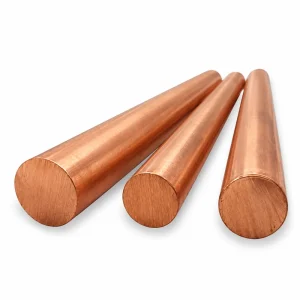
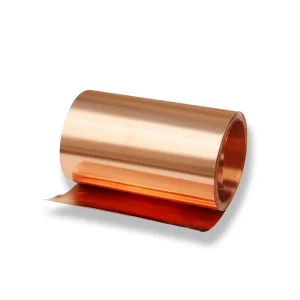
C11000 T2 Copper Bar
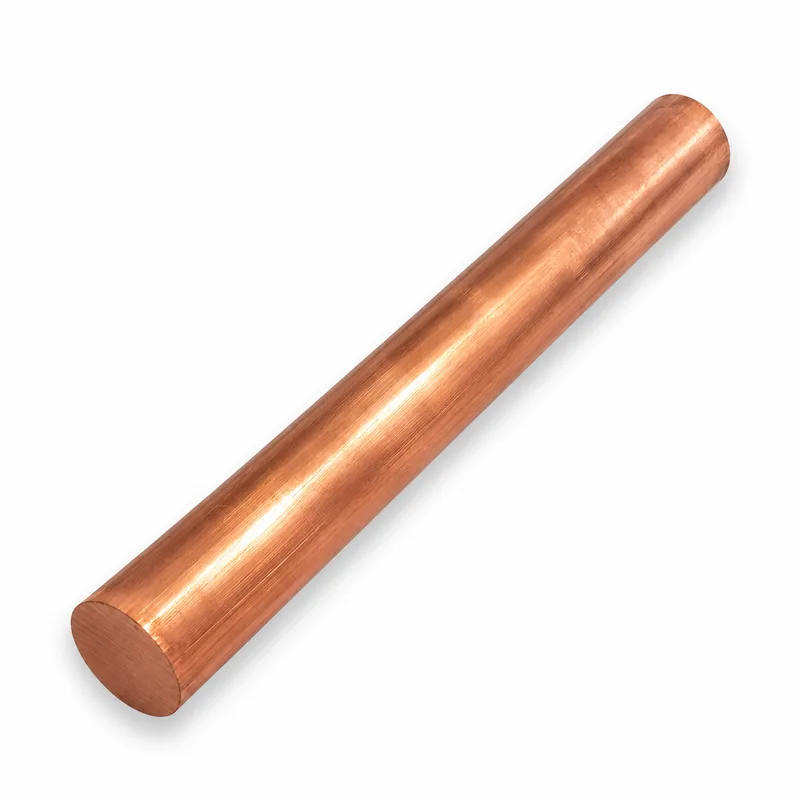
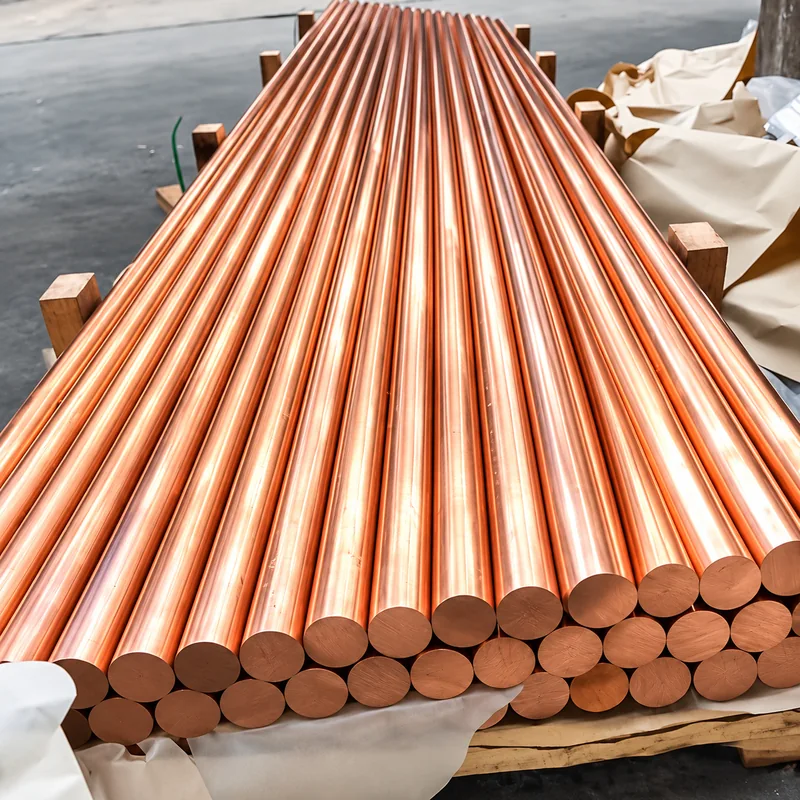
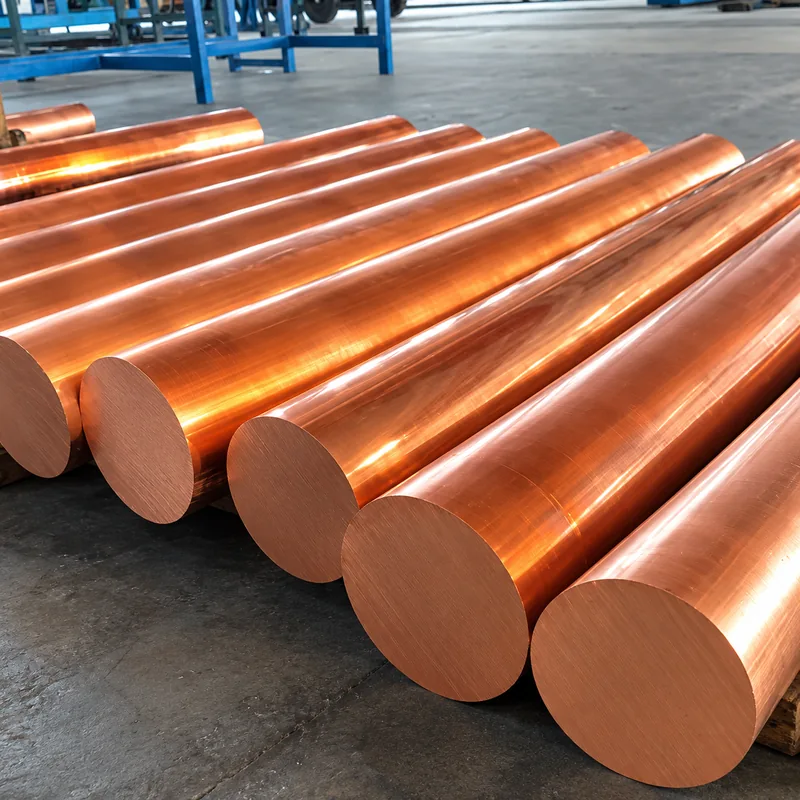
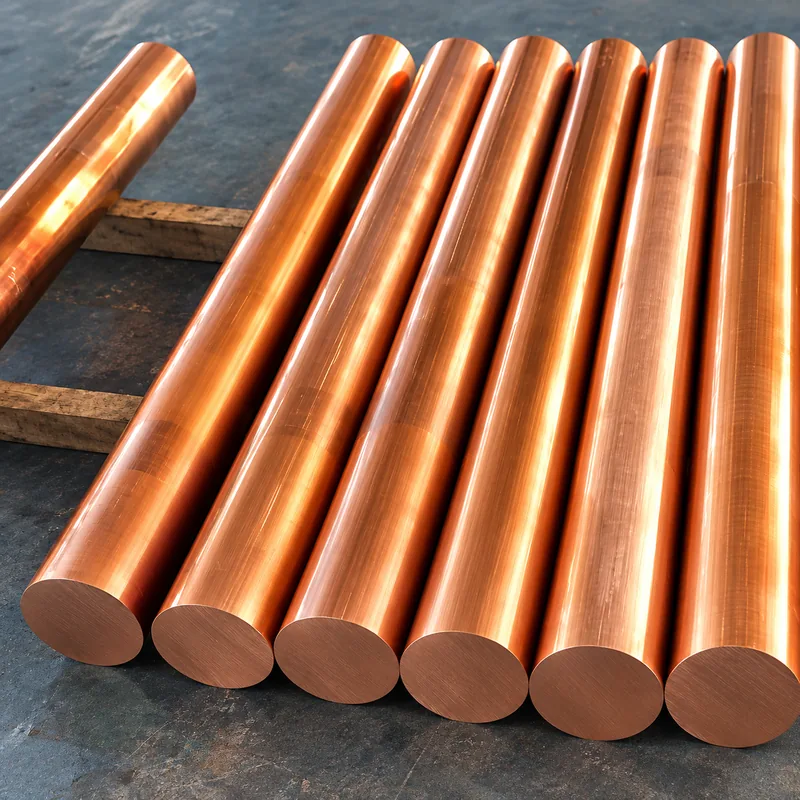
C11000 T2 Copper Bar
C11000 T2 Copper Bar offers high electrical conductivity, good thermal conductivity, and excellent fabrication performance for electrical and industrial applications. Available in various diameters and lengths, with custom cutting and machining options. Suitable for electrical connectors, busbar components, grounding systems, and precision-machined parts. Bulk supply and customized dimensions are available upon request.
- Mill Test Certificate Provided
- Strict Quality Inspection
- Custom Sizes Available
- On-Time Global Delivery
C11000 T2 Copper Bar is a high-conductivity copper product widely used in electrical equipment, power distribution systems, and industrial manufacturing. It offers excellent electrical and thermal conductivity, good ductility, and reliable processing performance. The material is suitable for applications requiring efficient current transmission, heat transfer, and precision fabrication.
Available in various diameters and lengths, C11000 T2 Copper Bar can be supplied according to applicable ASTM, EN, and GB standards. Common supply conditions include soft, half-hard, and hard tempers, depending on manufacturing requirements. Custom cutting, turning, drilling, milling, and surface finishing can be arranged according to technical drawings and dimensional specifications.
C11000 T2 Copper Bar is commonly used in electrical connectors, busbar components, grounding systems, switchgear parts, and industrial machinery. Custom diameters, dimensional tolerances, and processing requirements can be specified for different applications. Bulk supply, customized lengths, and material inspection certificates are available according to order requirements.
Product Features
- High Electrical Conductivity:
Provides excellent electrical conductivity for power distribution equipment, electrical connectors, grounding components, and other current-carrying applications. - Excellent Thermal Conductivity:
Supports efficient heat transfer in electrical equipment, thermal management components, and industrial assemblies requiring reliable heat dissipation. - Good Formability:
Offers good ductility and forming performance, allowing bending, shaping, and fabrication into customized components according to material temper and project requirements. - Reliable Machinability:
Supports turning, drilling, milling, and precision cutting using suitable machining tools and processing conditions for copper materials. - Good Corrosion Resistance:
Provides resistance to atmospheric corrosion under normal service conditions, making it suitable for electrical installations and selected industrial environments. - Custom Processing Options:
Available in various diameters and lengths, with custom cutting, machining, surface finishing, and dimensional processing to meet specific manufacturing requirements.
Technical Specifications
| Item | Specification |
|---|---|
| Product Name | C11000 T2 Copper Bar |
| Material Grade | ASTM C11000 / T2 (GB) |
| Standard | ASTM B187/B187M / GB/T 4423 |
| Copper Content | Cu ≥ 99.90% (Grade Dependent) |
| Diameter | 5–200 mm (Custom Available) |
| Length | 1000 / 2000 / 3000 / 6000 mm |
| Shape | Round Bar |
| Temper | Soft / Half Hard / Hard |
| Electrical Conductivity | Up to 100% IACS (Temper Dependent) |
| Surface Finish | Mill Finish / Polished / Machined |
| Processing | Cutting / Turning / Drilling / Milling |
| Inspection Certificate | EN 10204 3.1 (Upon Request) |
Applications
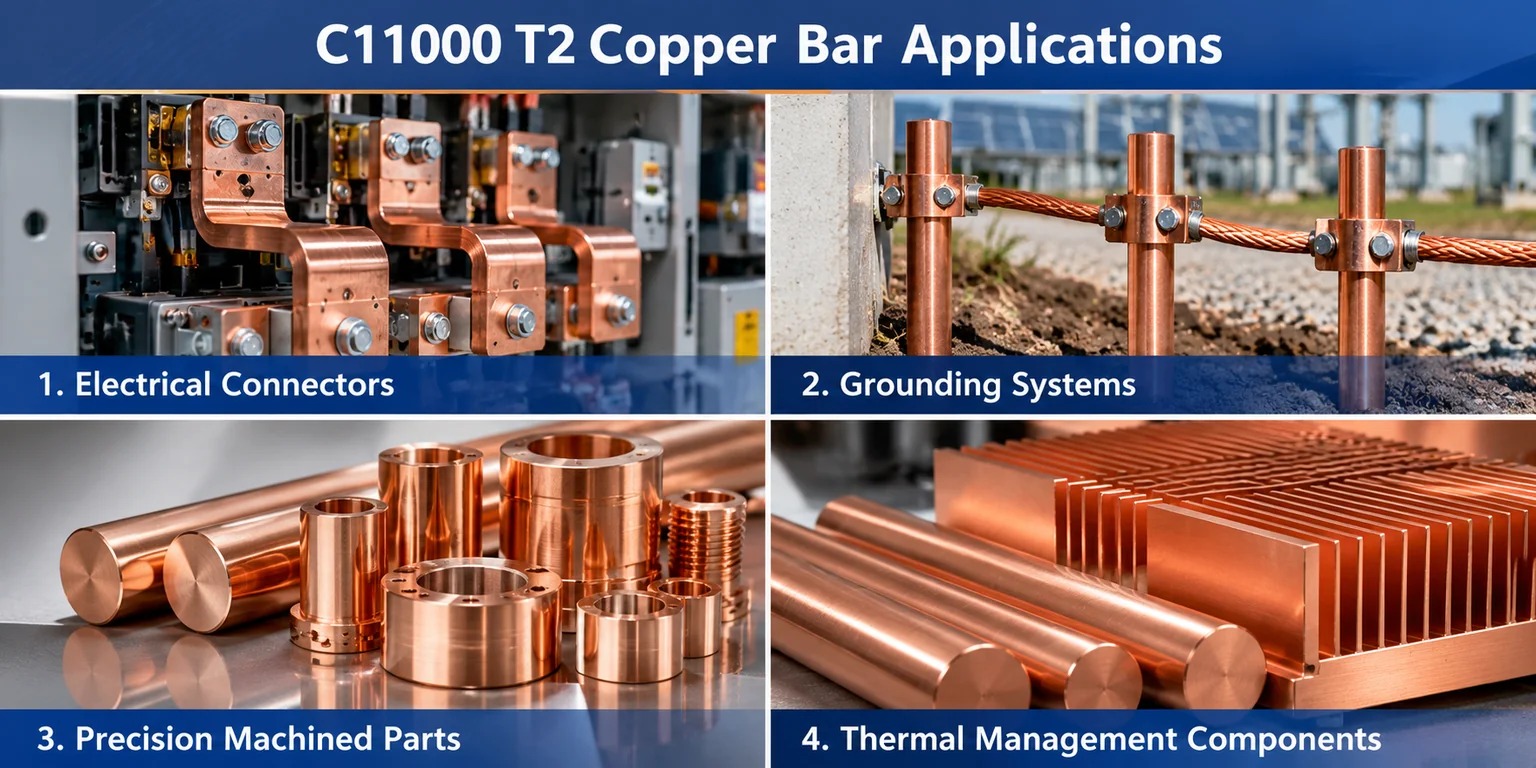
1. Electrical Connectors
C11000 T2 Copper Bar is used in the production of electrical connectors, conductive terminals, switchgear components, and power distribution assemblies. Its high electrical conductivity makes it suitable for manufacturing current-carrying components requiring efficient electrical transmission and reliable connections. Copper bars can be cut, drilled, turned, and machined into customized connector shapes according to equipment designs and technical drawings. Manufacturers can specify bar diameter, length, material temper, and dimensional tolerances to meet different electrical installation requirements. Contact surface preparation, connection methods, and operating current should be considered when designing electrical components.
2. Grounding Systems
C11000 T2 Copper Bar can be used for selected grounding components, electrical earthing connections, and custom conductive parts in grounding assemblies. Its electrical conductivity supports the transmission of fault currents when incorporated into properly designed grounding systems. Solid copper bars can be cut, machined, and fabricated into grounding connectors, terminals, and other components according to project specifications. Material dimensions and connection methods should be selected based on electrical requirements, installation conditions, and applicable standards. For buried grounding electrodes, corrosion conditions, mechanical strength, and the suitability of solid copper or alternative electrode materials should be evaluated before installation.
3. Precision Machined Parts
C11000 T2 Copper Bar is used as raw material for precision-machined components, including electrical contact parts, cylindrical connectors, bushings, sleeves, and customized industrial fittings. The material supports turning, drilling, milling, cutting, and surface finishing using suitable machining tools and processing parameters. Its ductility and thermal conductivity make it useful for selected mechanical and electrical assemblies requiring copper components. Manufacturers can specify bar diameter, machining tolerances, surface finish, and material condition according to component drawings. Appropriate cutting tools and machining conditions are important for controlling burr formation, dimensional accuracy, and finished surface quality.
4. Thermal Management Components
C11000 T2 Copper Bar is used in the manufacture of heat transfer components, thermal connectors, heat sink bases, and customized parts for industrial thermal management systems. Its high thermal conductivity allows heat to transfer efficiently through properly designed components, making it suitable for selected electrical equipment and industrial cooling applications. Copper bars can be cut, turned, drilled, and machined into specified shapes for integration with other thermal management components. Manufacturers can select bar diameters, lengths, and surface finishes according to equipment designs and assembly requirements. Thermal contact resistance, operating temperature, component geometry, and joining methods should be considered when evaluating the performance of finished assemblies.
Frequently Asked Questions (FAQ)
1. What is C11000 T2 Copper Bar?
C11000 T2 Copper Bar is a high-conductivity copper product commonly used in electrical equipment, power distribution systems, and industrial manufacturing. C11000 is an electrolytic tough pitch copper grade, while T2 is a related Chinese copper designation. Both are commonly selected for applications requiring electrical conductivity, thermal conductivity, and good fabrication performance. Exact material requirements should be confirmed according to the specified standard.
2. What is the electrical conductivity of C11000 T2 Copper Bar?
C11000 copper typically offers electrical conductivity around 100% IACS at 20°C, depending on material condition and applicable specifications. Actual conductivity may vary with processing, temper, and test conditions. Buyers requiring a guaranteed conductivity value should specify the minimum requirement and relevant testing standard when placing an order.
3. What sizes are available for C11000 T2 Copper Bar?
Common supply options include diameters from 5 mm to 200 mm and lengths of 1000, 2000, 3000, and 6000 mm. Custom diameters, cut-to-length bars, and dimensional tolerances can be arranged depending on production capabilities and order requirements. Buyers should provide the required diameter, length, quantity, and applicable tolerances for quotation.
4. What standards apply to C11000 T2 Copper Bar?
C11000 copper bars can be supplied according to ASTM B187/B187M, while T2 copper bars may be supplied according to applicable GB/T standards, including GB/T 4423. The exact grade designation, chemical composition, dimensional tolerances, and mechanical requirements should be verified against the selected standard and its applicable edition.
5. Can C11000 T2 Copper Bar be machined and customized?
Yes. C11000 T2 Copper Bar can be processed through cutting, turning, drilling, milling, and surface finishing. Its ductility and relatively soft material characteristics require suitable machining tools and cutting parameters to control burr formation and dimensional accuracy. Custom processing can be arranged according to technical drawings and project specifications.
6. What are the main applications of C11000 T2 Copper Bar?
C11000 T2 Copper Bar is commonly used for electrical connectors, grounding components, precision-machined parts, and thermal management equipment. Its electrical and thermal conductivity make it suitable for current-carrying components, conductive assemblies, and heat transfer applications. Material dimensions, temper, and processing requirements should be selected according to the intended operating conditions.
7. What is the difference between C11000 and C10100 copper bars?
C11000 is an electrolytic tough pitch copper grade offering high electrical conductivity for general electrical and industrial applications. C10100 is an oxygen-free electronic copper grade with stricter purity and oxygen requirements, commonly selected for specialized electrical, electronic, and vacuum-related applications. The appropriate grade depends on conductivity, processing conditions, joining methods, and project specifications.
8. How can I request a quotation for C11000 T2 Copper Bar?
Please provide the required material grade, applicable standard, bar diameter, length, temper, quantity, and delivery destination. If specific conductivity, dimensional tolerances, surface finish, or machining services are required, please include the relevant technical specifications or drawings. Material inspection certificates, including EN 10204 3.1, can be arranged when confirmed with the order.