304 Stainless Steel Plate (AISI 304 / UNS S30400)
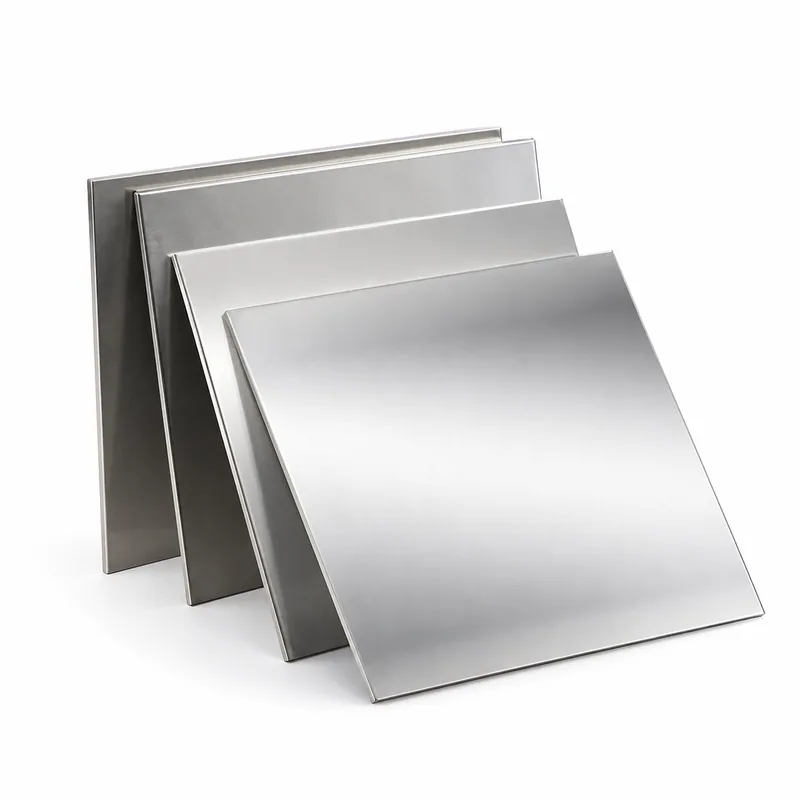
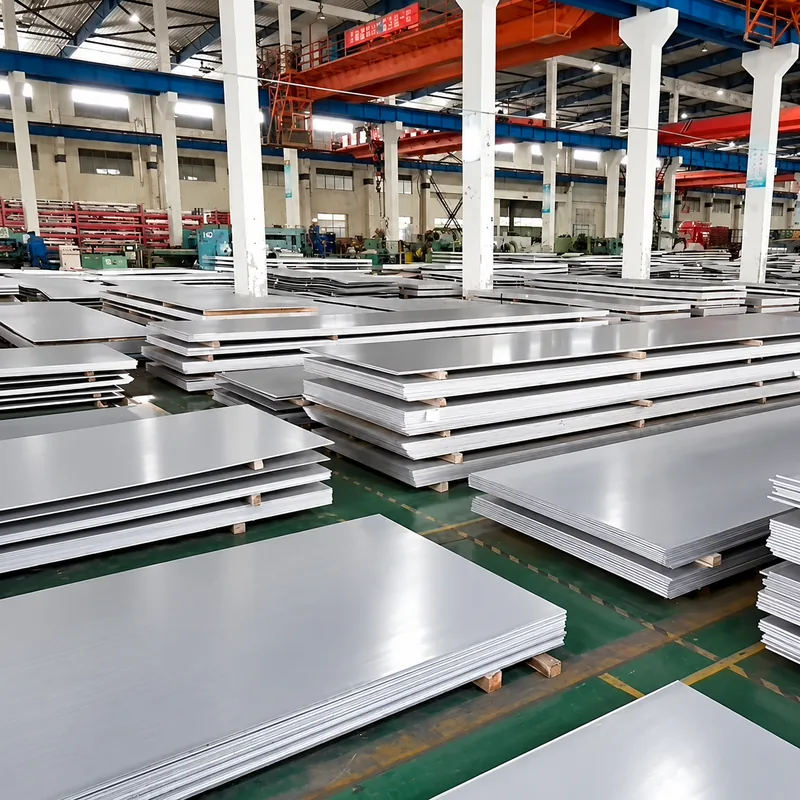
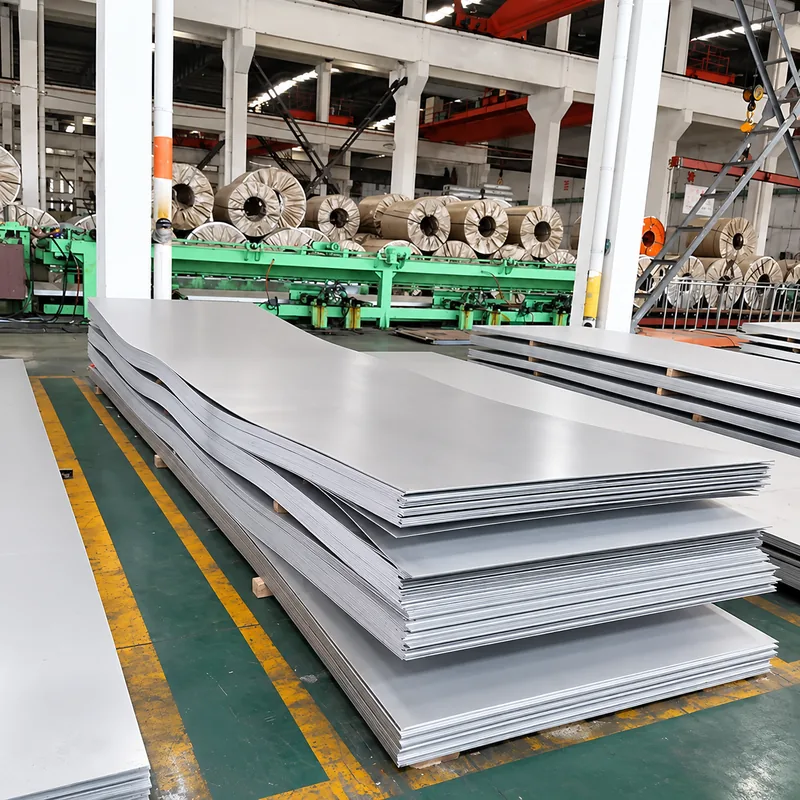
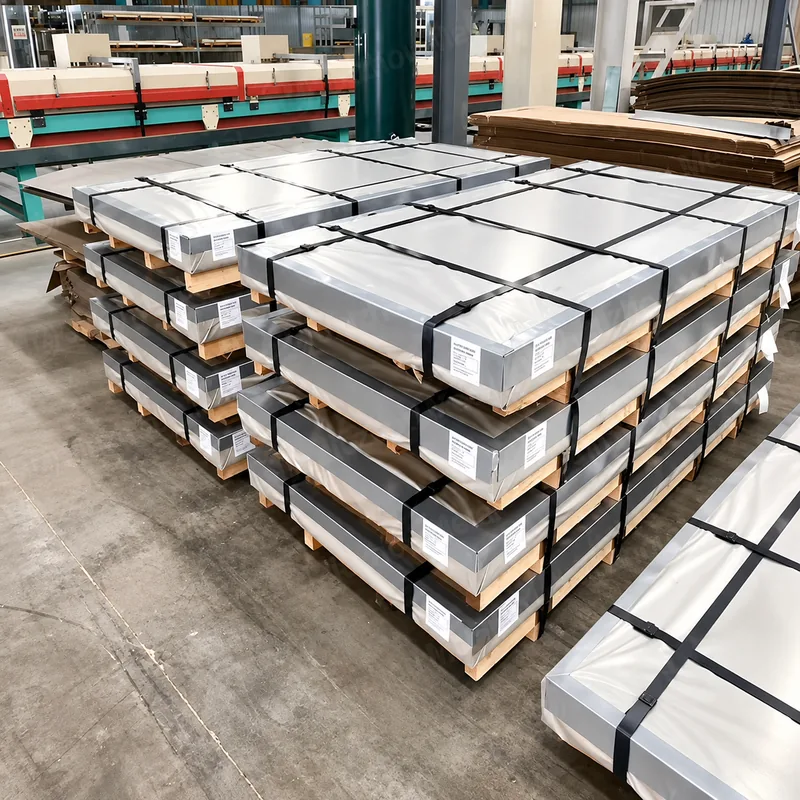
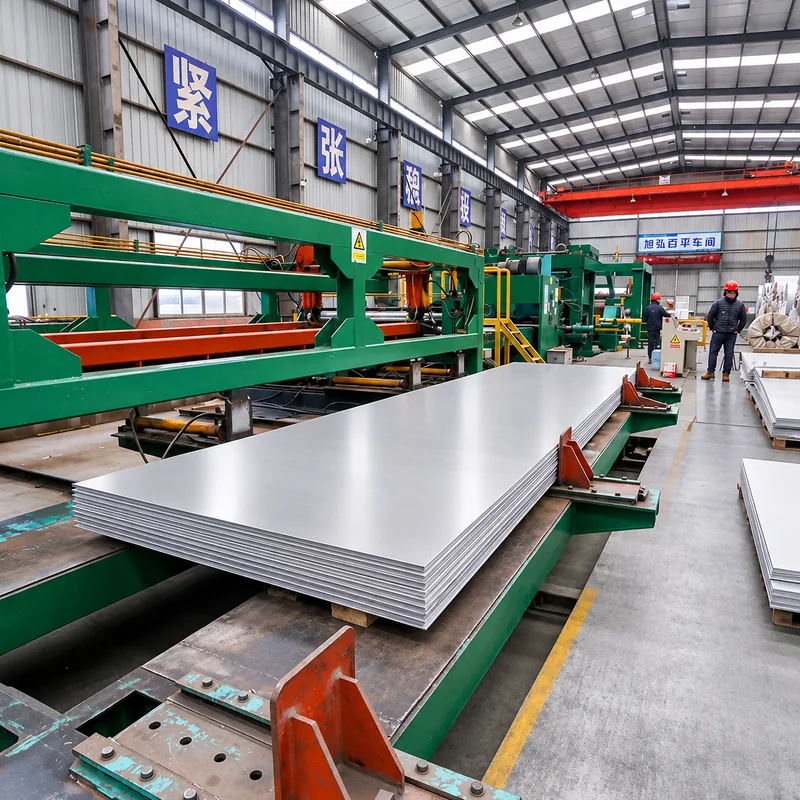
304 Stainless Steel Plate (AISI 304 / UNS S30400)
Sky Steel Group supplies 304 Stainless Steel Plate (AISI 304 / UNS S30400) for storage tanks, food processing equipment, industrial machinery, and fabricated components. This austenitic stainless steel offers good corrosion resistance, weldability, and formability. Plates can be supplied to ASTM A240/A240M in specified thicknesses and dimensions, with custom cutting services and EN 10204 3.1 inspection certificates available upon request, subject to order confirmation.
- Mill Test Certificate Provided
- Strict Quality Inspection
- Custom Sizes Available
- On-Time Global Delivery
304 Stainless Steel Plate, designated AISI 304 or UNS S30400, is an austenitic chromium-nickel stainless steel widely used in industrial fabrication and equipment manufacturing. Its nominal composition of 18% chromium and 8% nickel provides good corrosion resistance in many atmospheric and general industrial environments. Common applications include food processing equipment, storage tanks, machinery components, and fabricated structures.
Grade 304 offers good weldability, ductility, and forming properties. Plates can be cut, drilled, bent, machined, and welded using conventional fabrication methods. The material is generally supplied in the annealed condition and cannot be hardened by conventional heat treatment, although cold working increases its strength and hardness. Surface finishes and fabrication requirements should be selected according to the intended application, particularly where cleaning, appearance, or corrosion exposure is important.
Sky Steel Group supplies 304 stainless steel plates for equipment manufacturers, metal fabricators, and industrial distributors. Material can be specified to ASTM A240/A240M, with thickness, dimensions, and surface finish selected according to project requirements. Custom cutting and EN 10204 3.1 inspection certificates can be arranged upon request, subject to order confirmation.
Key Features of 304 Stainless Steel Plate
- Good Corrosion Resistance: Resists corrosion in many atmospheric, freshwater, and general industrial environments.
- Excellent Weldability: Suitable for common welding processes, including TIG and MIG welding, with appropriate procedures and filler metals.
- Good Formability: Can be bent, rolled, and formed into tanks, equipment housings, and fabricated components.
- Cold Work Hardening: Gains strength and hardness through cold working but cannot be hardened by conventional heat treatment.
- Hygienic Surface Properties: Smooth, properly finished surfaces support cleaning and sanitation requirements in food processing equipment.
- Versatile Fabrication Options: Suitable for cutting, drilling, machining, and surface finishing to meet different manufacturing requirements.
304 Stainless Steel Plate Specifications
| Item | Specifications |
|---|---|
| Product Name | 304 Stainless Steel Plate |
| Grade | AISI 304 / UNS S30400 / EN 1.4301 |
| Material Type | Austenitic Chromium-Nickel Stainless Steel |
| Standard | ASTM A240/A240M |
| Chromium (Cr) | 18.0–20.0% |
| Nickel (Ni) | 8.0–10.5% |
| Carbon (C) | 0.08% max. |
| Tensile Strength | 515 MPa min. (ASTM A240) |
| Yield Strength (0.2% Offset) | 205 MPa min. (ASTM A240) |
| Elongation | 40% min. (ASTM A240) |
| Thickness | 3–100 mm (subject to availability) |
| Width | 1000 / 1219 / 1500 / 2000 mm; custom widths |
| Length | 2000 / 2438 / 3000 / 6000 mm; cut to size |
| Surface Finish | No. 1; other finishes upon request |
| Delivery Condition | Solution Annealed / Annealed |
| Processing | Cutting, drilling, bending, machining |
| Inspection Documents | MTC / EN 10204 3.1 upon request |
| Applications | Storage tanks, food processing equipment, industrial machinery, fabricated components |
Note: Chemical composition and mechanical properties refer to applicable ASTM A240/A240M requirements. Dimensions, surface finishes, processing services, and inspection documents are subject to order confirmation.
304 Stainless Steel Plate Applications
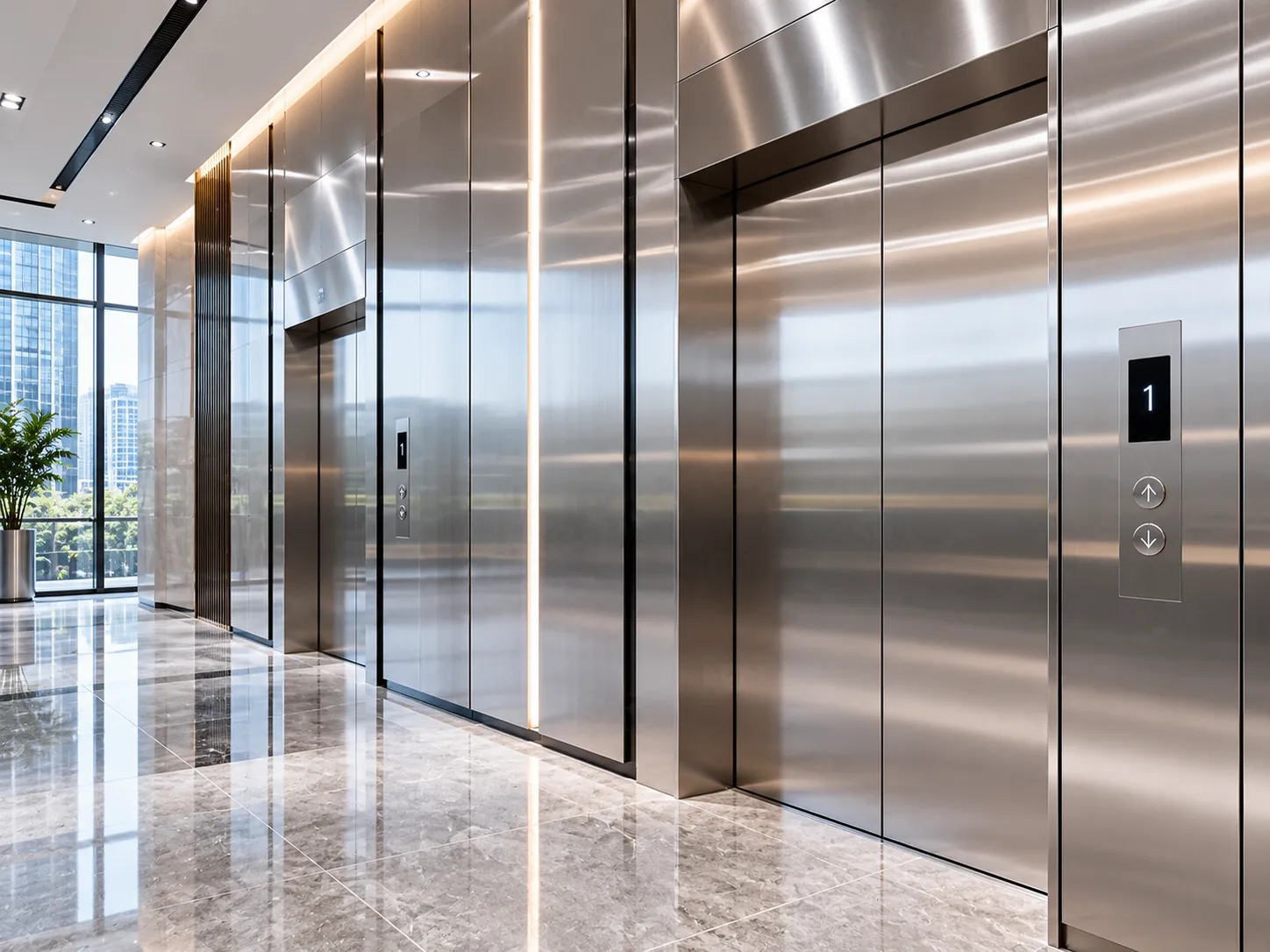
Architectural & Structural Applications
304 stainless steel plates are used for architectural panels, column covers, structural fittings, and decorative metalwork. Their corrosion resistance and metallic appearance make them suitable for interior installations and many exterior architectural applications. Plate thickness, surface finish, and fastening methods should be selected according to structural loads, exposure conditions, and appearance requirements.
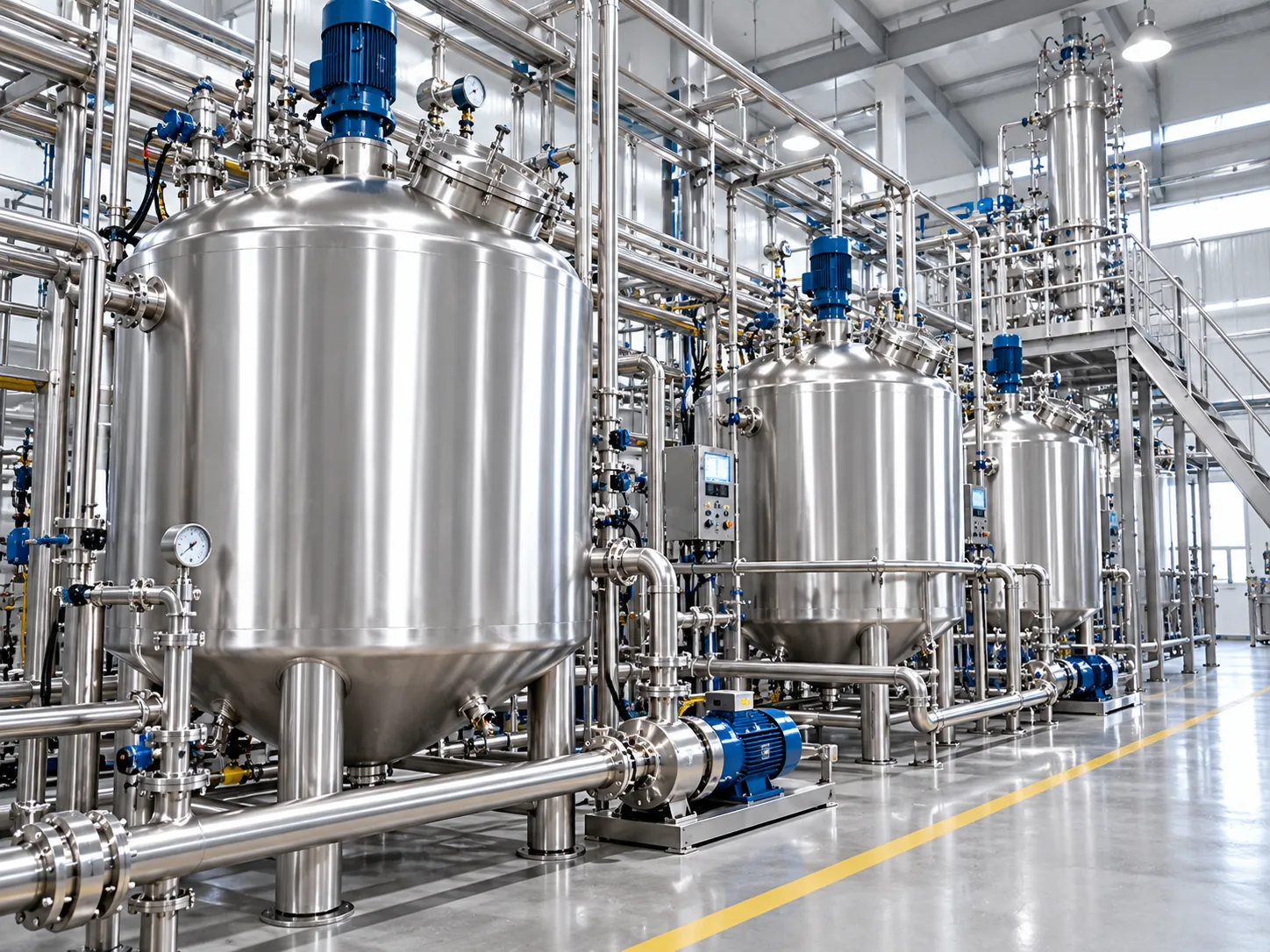
Chemical Processing Equipment
304 stainless steel plates are used to fabricate storage tanks, processing vessels, equipment covers, and supporting components in chemical processing facilities. The alloy performs well in many mild chemical environments and is suitable for equipment requiring welded construction and routine cleaning. Material compatibility must be evaluated for chloride-containing solutions, aggressive acids, and elevated operating temperatures to reduce the risk of localized corrosion or stress corrosion cracking.
Food Processing Equipment
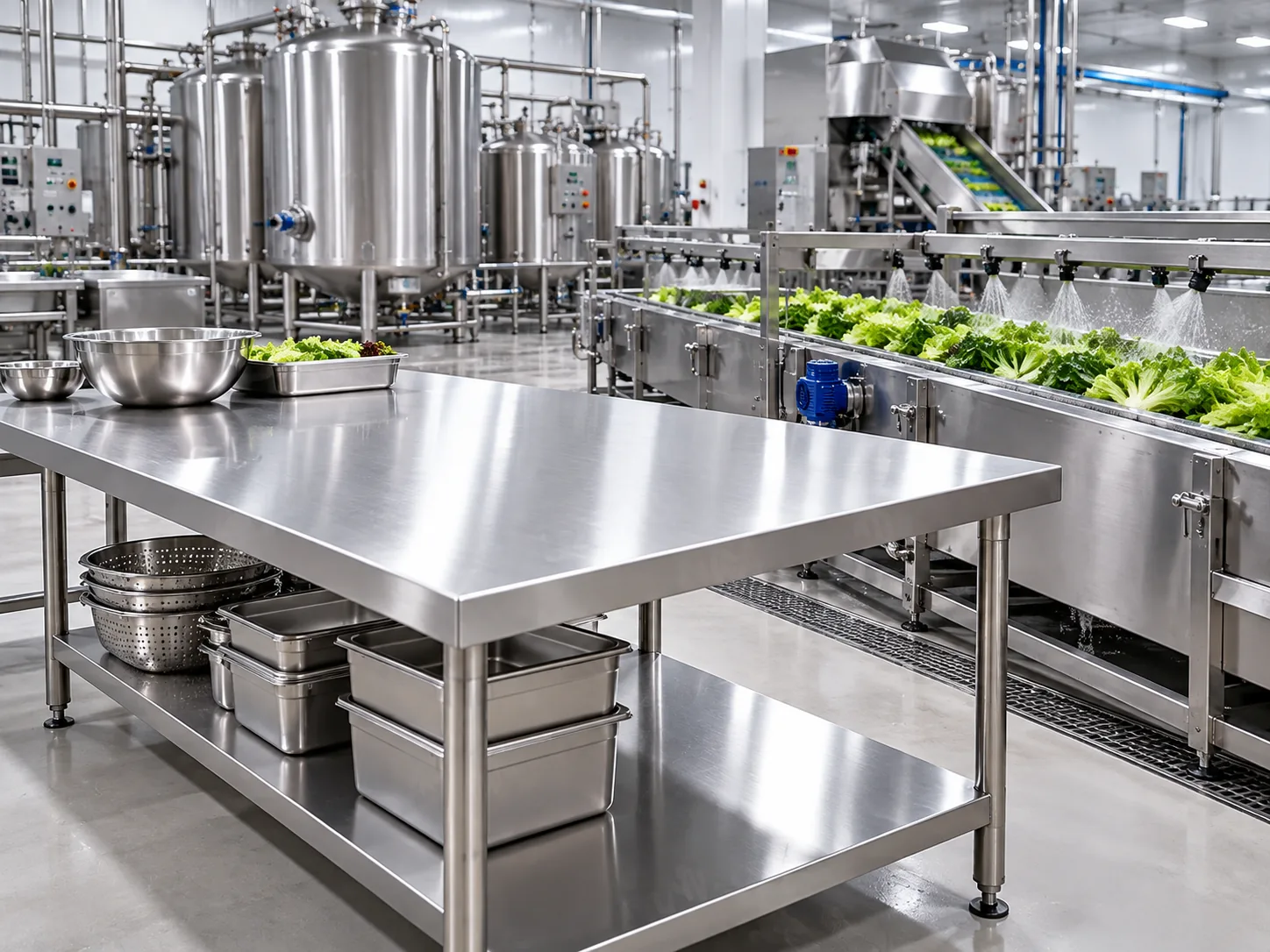
304 stainless steel plates are commonly used for food preparation tables, processing machinery, work surfaces, and equipment frames. Properly finished surfaces facilitate cleaning and sanitation, while the material’s weldability supports the fabrication of tanks, workstations, and machinery assemblies. Surface roughness, weld finishing, and cleaning procedures should be specified according to the hygiene requirements of the equipment.
Industrial Enclosures & Equipment Housings
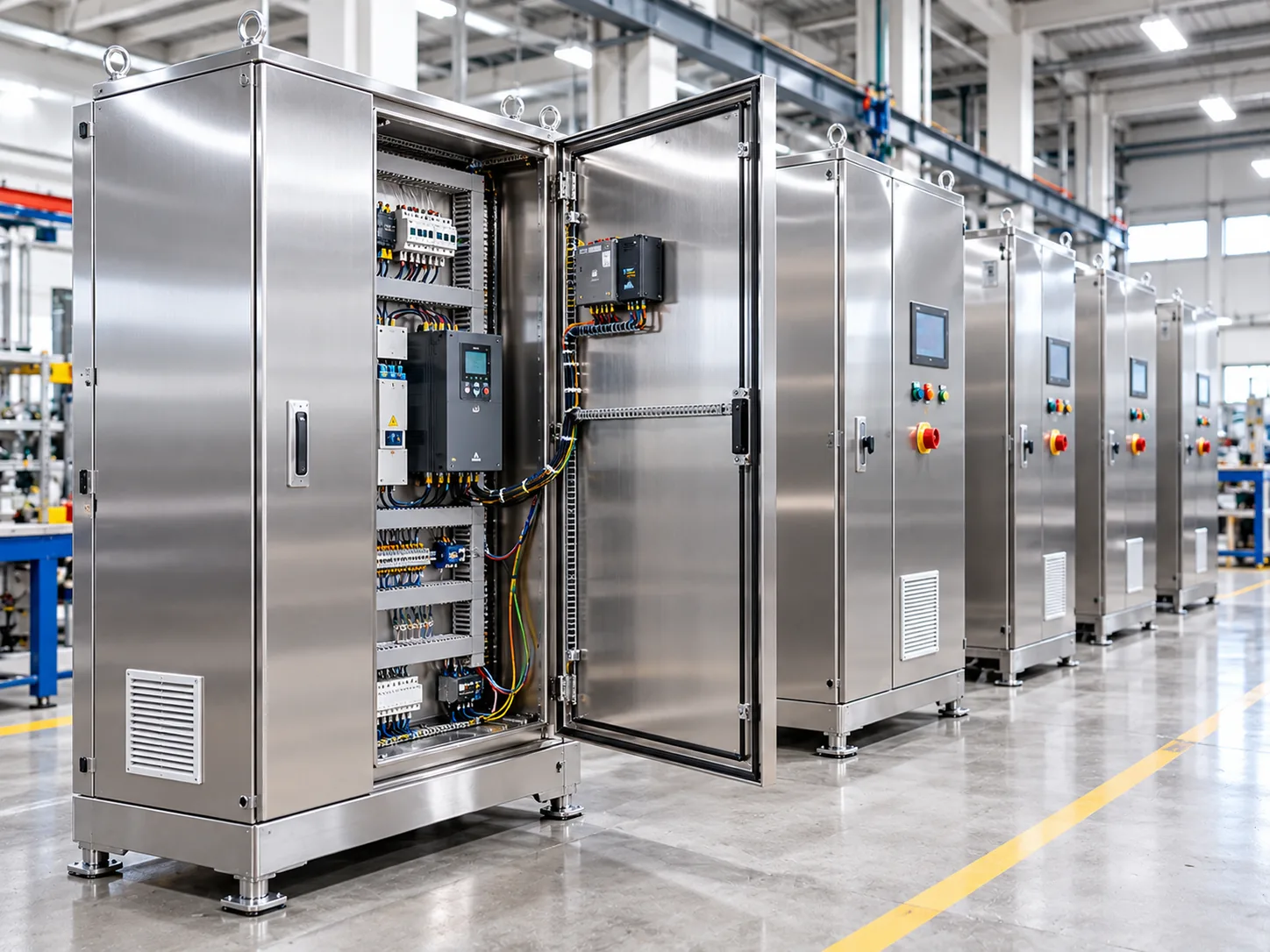
304 stainless steel plates are fabricated into machine guards, equipment housings, control cabinet panels, and industrial enclosures. The material provides mechanical strength and resistance to corrosion in many manufacturing environments. Cutting, drilling, bending, and welding allow manufacturers to accommodate mounting points, access panels, and equipment dimensions. Plate thickness and enclosure design should be determined by mechanical loads and service conditions.
Frequently Asked Questions About 304 Stainless Steel Plate (AISI 304 / UNS S30400)
1. What is 304 stainless steel plate?
304 stainless steel plate is an austenitic chromium-nickel stainless steel, commonly identified as AISI 304, UNS S30400, or EN 1.4301. It contains approximately 18% chromium and 8% nickel, providing good corrosion resistance, weldability, and formability. Typical applications include industrial equipment, storage tanks, food processing machinery, and fabricated components.
2. What is the difference between 304 and 316 stainless steel plate?
The main difference lies in their chemical composition and corrosion resistance. Grade 316 contains molybdenum, which improves resistance to chloride-induced pitting and crevice corrosion compared with 304. Grade 304 is commonly used for general industrial equipment, while 316 is often selected for more demanding chemical and marine applications. Neither grade is suitable for every corrosive environment, so material selection should be based on actual operating conditions.
3. Is 304 stainless steel plate suitable for outdoor use?
Yes. Grade 304 performs well in many outdoor environments, particularly under typical urban and rural atmospheric conditions. However, coastal salt spray, chloride deposits, and aggressive industrial pollutants can increase the risk of surface staining and localized corrosion. Surface finish, environmental exposure, and maintenance requirements should be evaluated before selecting the material.
4. Can 304 stainless steel plate be welded, bent, and machined?
Yes. Grade 304 can be welded using common processes such as TIG and MIG welding. It can also be bent, rolled, drilled, and machined with suitable equipment and procedures. Because 304 work-hardens during deformation, machining parameters, tooling, and forming methods should account for its tendency to increase in hardness during processing.
5. What thicknesses, sizes, and surface finishes are available?
304 stainless steel plates can be supplied in different thicknesses, widths, and lengths to meet fabrication requirements. No. 1 is a common finish for hot-rolled plates, while other surface finishes may be available depending on material thickness and production method. Custom cutting, dimensional tolerances, and surface requirements should be confirmed when requesting a quotation.
6. What standards and certificates are available for 304 stainless steel plate?
304 stainless steel plate is commonly specified to ASTM A240/A240M, covering chromium and chromium-nickel stainless steel plate, sheet, and strip for pressure vessels and general applications. Mill Test Certificates (MTC) and EN 10204 3.1 inspection certificates can be requested, subject to order confirmation. Buyers should specify any required chemical composition, mechanical test results, or inspection documentation before production.