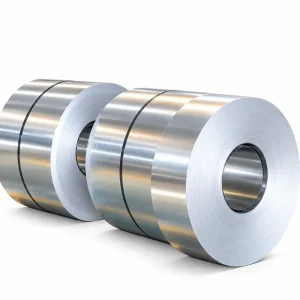
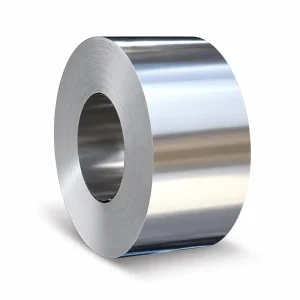
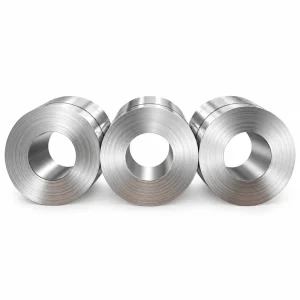
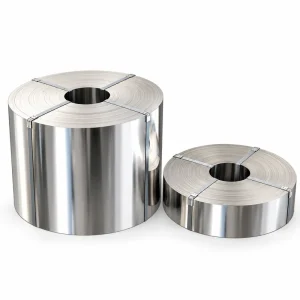
ASTM A240 201 Stainless Steel Coil
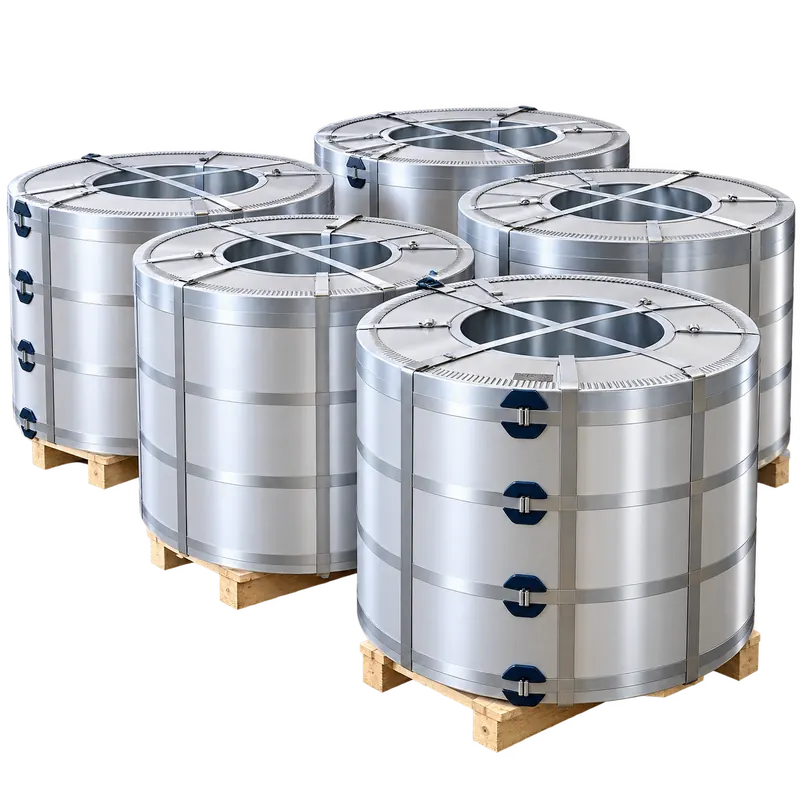
ASTM A240 201 Stainless Steel Coil
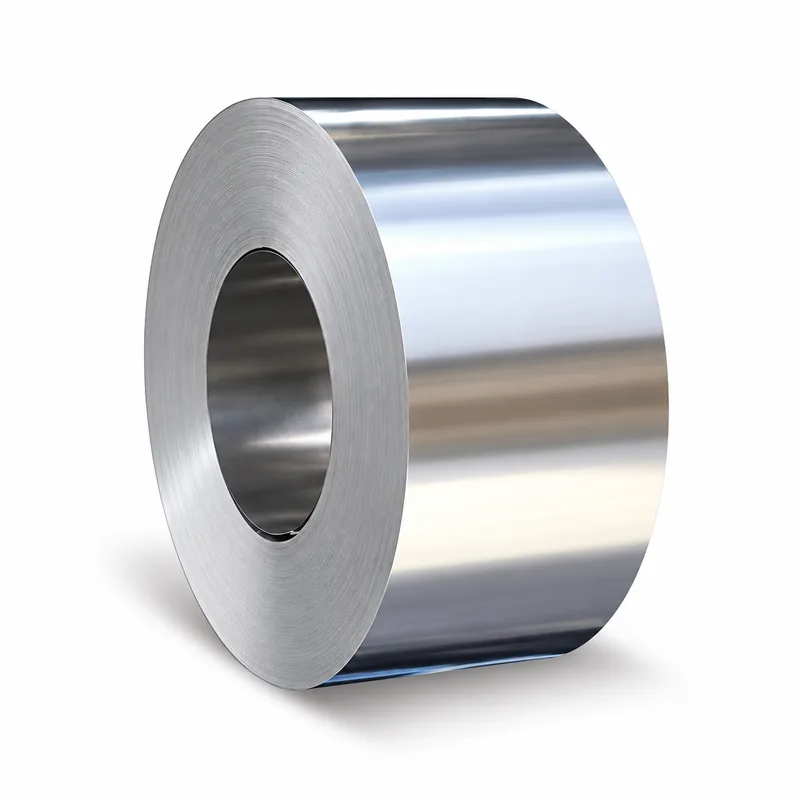
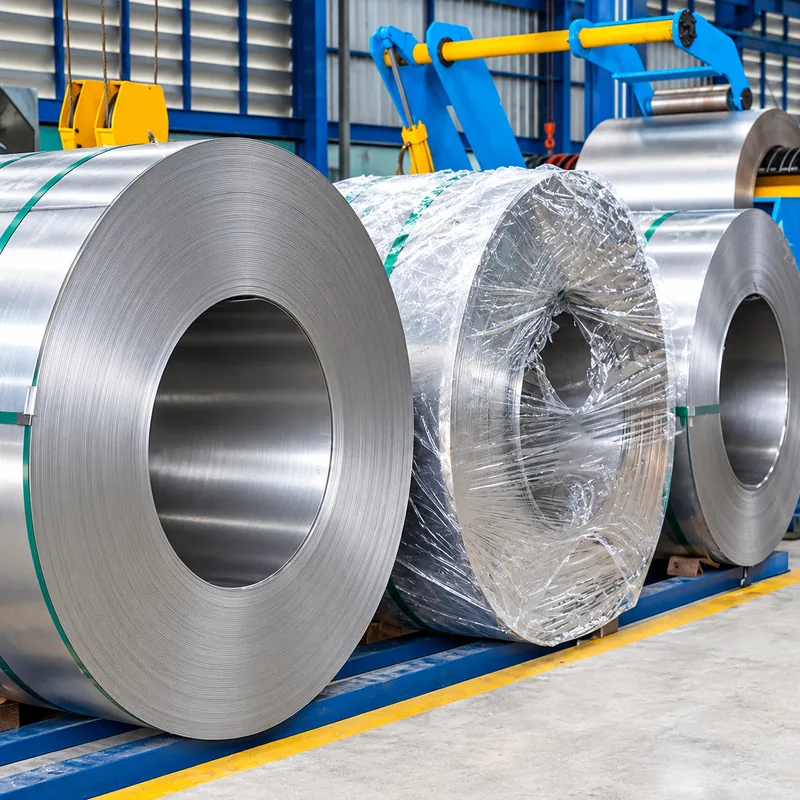
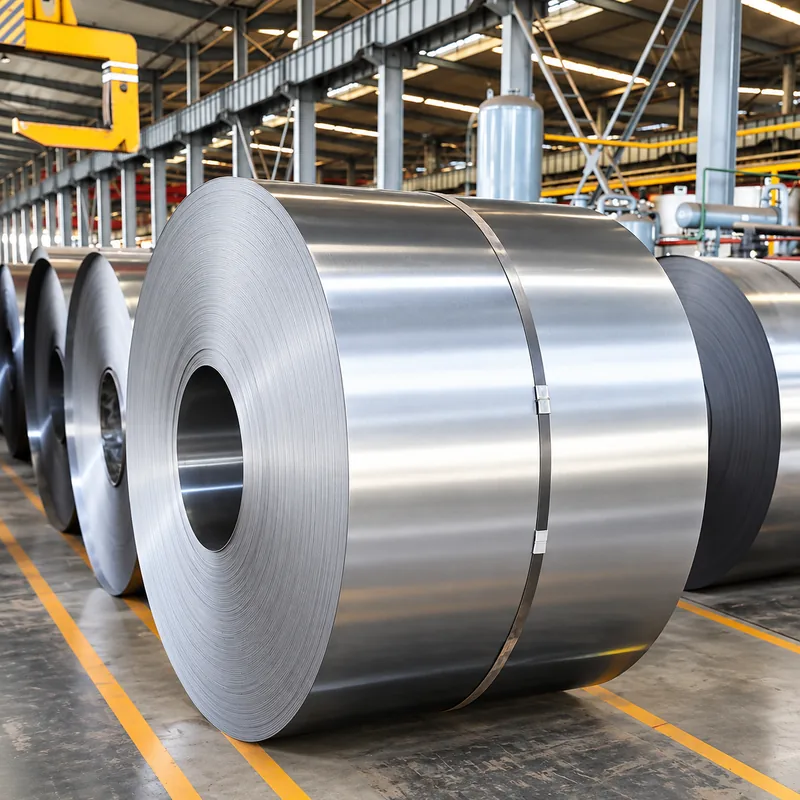
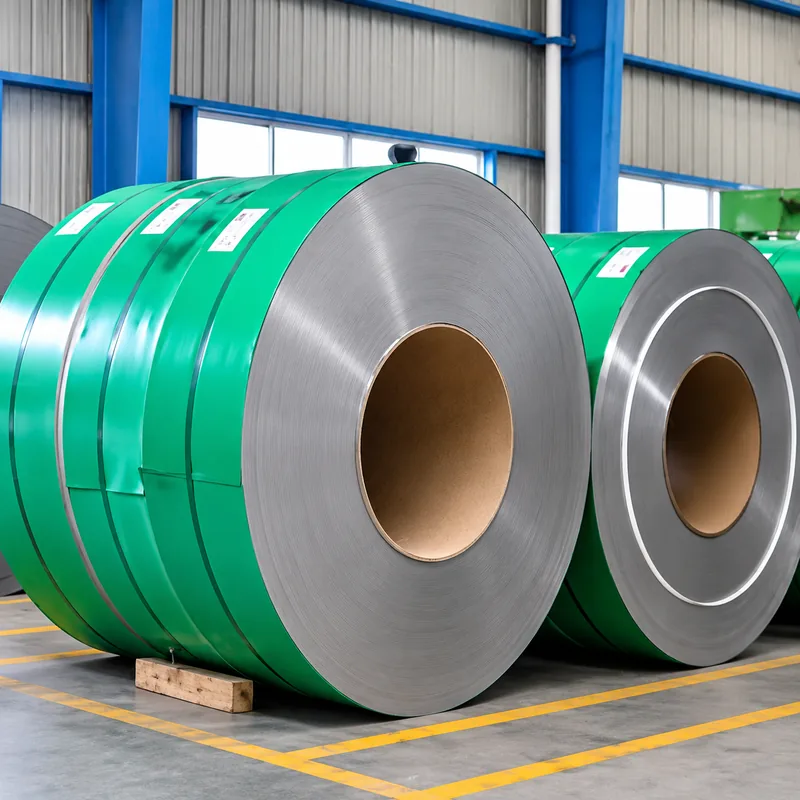
201 Stainless Steel Coil contains chromium, manganese, and reduced nickel content, offering a cost-effective material for decorative and fabrication applications. Available in cold rolled and hot rolled forms with 2B, BA, and No. 4 finishes for stamping, forming, and processing.
- Mill Test Certificate Provided
- Strict Quality Inspection
- Custom Sizes Available
- On-Time Global Delivery
201 Stainless Steel Coil is a chromium-manganese-nickel austenitic stainless steel product commonly used for decorative and general fabrication applications. Grade 201 (UNS S20100) contains 16.00–18.00% chromium, 5.50–7.50% manganese, and 3.50–5.50% nickel, providing a lower-nickel alternative to Grade 304 for applications with relatively mild corrosion exposure.
201 stainless steel coils are commonly used in kitchenware manufacturing, interior decorative panels, furniture components, and stamped metal products. Material selection depends on surface appearance, formability, thickness tolerance, and intended service conditions.
Cold rolled and hot rolled coils are available with surface finishes such as 2B, BA, and No. 4, depending on the production process. Buyers should specify the required thickness, width, surface finish, coil weight, and processing requirements when placing orders.
Product Features
- Low-Nickel Austenitic Composition – Contains 3.50–5.50% nickel and 5.50–7.50% manganese, providing a lower-nickel alternative to Grade 304 for decorative and general fabrication applications.
- Cost-Effective Material Selection – Reduced nickel content can lower material costs compared with Grade 304, making it suitable for furniture components, interior panels, and general metal fabrication.
- Cold Rolled and Hot Rolled Options – Available in cold rolled and hot rolled forms, with different thickness ranges, dimensional tolerances, and surface conditions depending on production requirements.
- Multiple Surface Finishes – Cold rolled coils can be supplied with 2B, BA, or No. 4 finishes, depending on processing capabilities and requirements for appearance and further fabrication.
- Forming and Stamping Performance – Suitable for bending, roll forming, and stamping operations with appropriate tooling. Its work-hardening behavior should be considered during deep drawing and complex forming.
- Slitting and Cut-to-Length Processing – Coils can be processed into narrower strips or cut sheets according to specified widths, lengths, edge conditions, and dimensional tolerances.
201 Stainless Steel Coil – Technical Specifications
| Parameter | Specification |
|---|---|
| Product Name | 201 Stainless Steel Coil |
| Material Grade | AISI 201 / UNS S20100 |
| Material Type | Austenitic Stainless Steel |
| Manufacturing Standard | ASTM A240 / A240M |
| Production Process | Cold Rolled / Hot Rolled |
| Thickness | As per confirmed supply range |
| Width | As per confirmed supply range |
| Coil Inner Diameter | 508 mm / 610 mm (subject to availability) |
| Coil Weight | As per order requirements |
| Surface Finish | 2B / BA / No. 4 / No. 1 (as applicable) |
| Edge Type | Mill Edge / Slit Edge |
| Chromium (Cr) | 16.00–18.00% |
| Nickel (Ni) | 3.50–5.50% |
| Manganese (Mn) | 5.50–7.50% |
| Carbon (C) | ≤ 0.15% |
| Tensile Strength | ≥ 655 MPa (annealed UNS S20100, verify applicable specification) |
| Yield Strength (0.2%) | ≥ 310 MPa (annealed UNS S20100, verify applicable specification) |
| Elongation | ≥ 40% (verify thickness and test requirements) |
| Processing Services | Slitting / Cut-to-Length |
| Test Certificate | EN 10204 3.1 (Upon Request) |
Product Applications
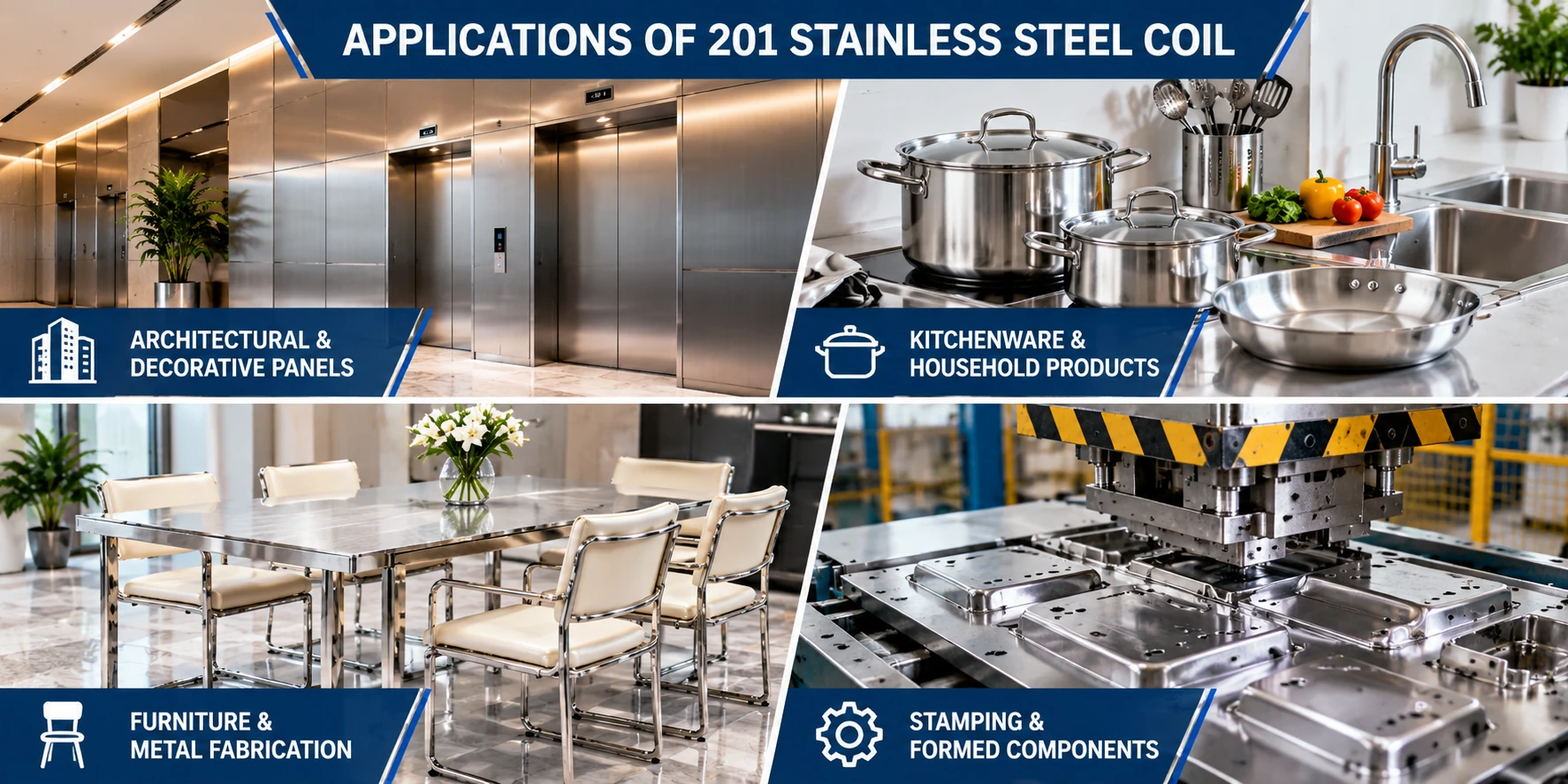
Architectural & Decorative Panels
201 stainless steel coils are processed into elevator cladding, interior wall panels, decorative trim, and architectural sheet components. Cold rolled coils with 2B, BA, or No. 4 finishes can be cut, bent, and polished to meet different appearance requirements. Grade 201 is commonly selected for indoor installations where surface consistency, fabrication cost, and relatively mild corrosion exposure are important considerations.
Kitchenware & Household Products
201 stainless steel coils are used to manufacture selected kitchen utensils, storage containers, appliance panels, and household metal components. Cold rolled sheets can be blanked, stamped, and formed into different shapes using suitable tooling. Material thickness, surface finish, and forming properties should be specified according to the finished product. Food-contact applications require verification of applicable material and regulatory requirements.
Furniture & Metal Fabrication
201 stainless steel coils are used for furniture panels, cabinet components, shelving systems, and decorative metal fittings. Coils can be slit into narrow strips or cut into sheets before bending, roll forming, or welding. Cold rolled material with brushed or polished finishes is commonly selected for visible components, while thickness tolerance and flatness are important for accurate fabrication and assembly.
Stamping & Formed Components
201 stainless steel coils are used to produce stamped brackets, appliance housings, decorative hardware, and light-duty formed metal components. The material can be processed through blanking, bending, and progressive die stamping. Its work-hardening behavior affects forming forces, springback, and tooling selection. For deep-drawn or complex parts, buyers should confirm the required temper, mechanical properties, and forming performance before production.
Frequently Asked Questions
What is the difference between 201 and 304 stainless steel coil?
Grade 201 contains 3.50–5.50% nickel and 5.50–7.50% manganese, while Grade 304 typically contains 8.00–10.50% nickel and no more than 2.00% manganese. Grade 201 generally offers a lower material cost but less corrosion resistance in chloride-containing environments. It is commonly selected for indoor decorative panels, furniture components, and general fabrication.
What is the difference between cold rolled and hot rolled 201 stainless steel coil?
Cold rolled 201 stainless steel coils generally offer tighter thickness tolerances and smoother surface finishes, making them suitable for decorative panels, stamping, and precision fabrication. Hot rolled coils are commonly supplied in thicker gauges with No. 1 finishes after annealing and pickling. Selection depends on thickness, surface requirements, and subsequent processing.
What thicknesses and widths are available for 201 stainless steel coil?
201 stainless steel coils are supplied in different thicknesses and widths according to the rolling process and manufacturer’s production range. Cold rolled coils are commonly used for thinner sheet applications, while hot rolled coils are generally selected for thicker material. Buyers should specify thickness, width, tolerance, coil weight, and edge condition when requesting a quotation.
What surface finishes are available for 201 stainless steel coil?
Common finishes include 2B, BA, No. 4, and No. 1, depending on the production process. 2B provides a smooth, matte-like cold rolled finish, BA offers a brighter reflective surface, and No. 4 features directional polishing lines. No. 1 is commonly associated with hot rolled, annealed, and pickled material.
Is 201 stainless steel coil suitable for stamping and deep drawing?
Grade 201 can be used for blanking, bending, stamping, and selected drawing operations. However, its work-hardening behavior affects forming forces, springback, and tooling requirements. Deep drawing performance depends on the material’s temper, mechanical properties, thickness, and tooling design. Buyers should confirm forming requirements and conduct production trials for demanding components.
What information is required to order 201 stainless steel coil?
Please provide the material grade (201 / UNS S20100), required thickness, width, surface finish, edge condition, and order quantity. Specify whether cold rolled or hot rolled material is required, along with coil weight preferences, dimensional tolerances, processing requirements, inspection documents, and delivery destination for an accurate quotation.