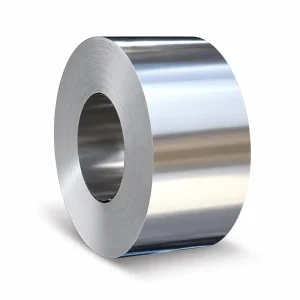
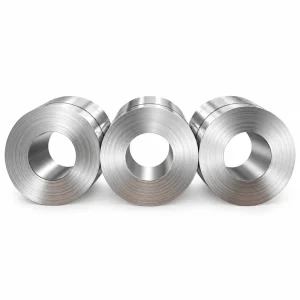
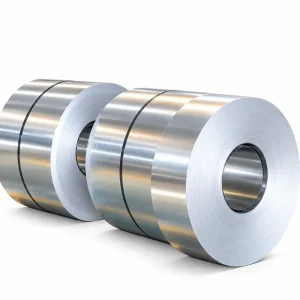
ASTM A240 304 Stainless Steel Coil
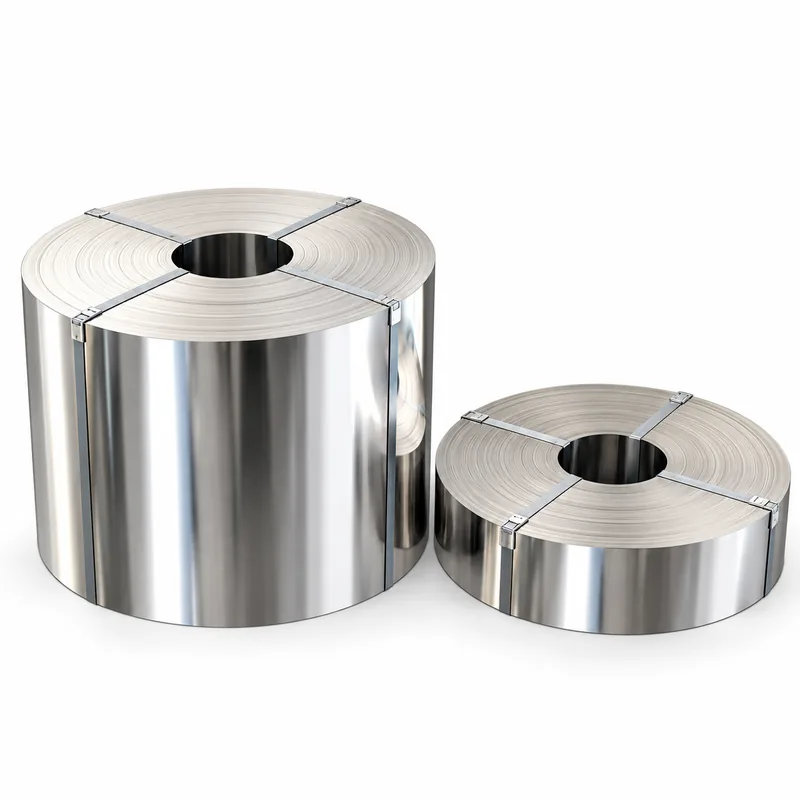
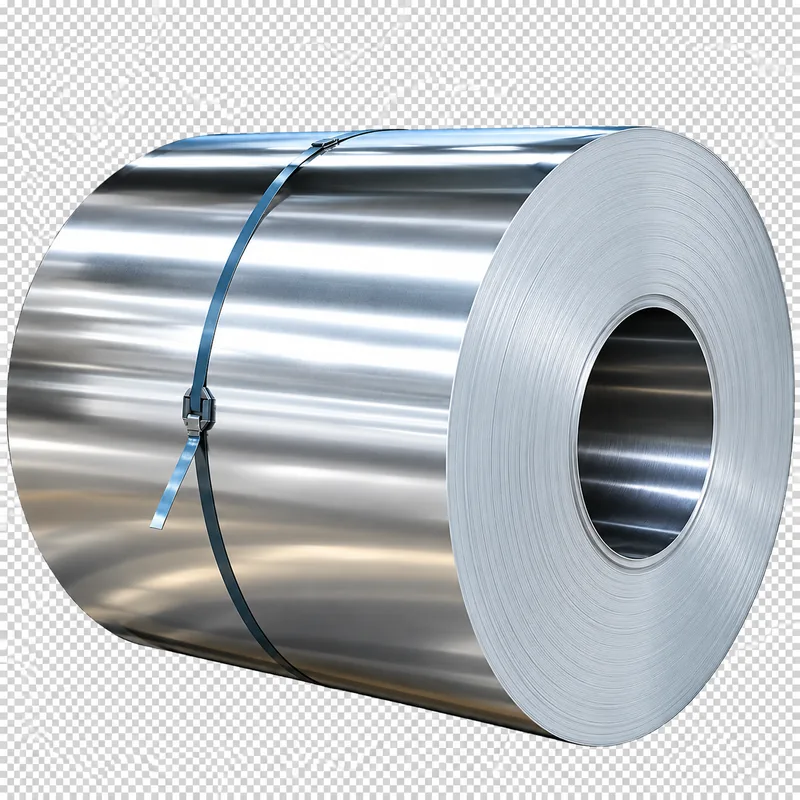
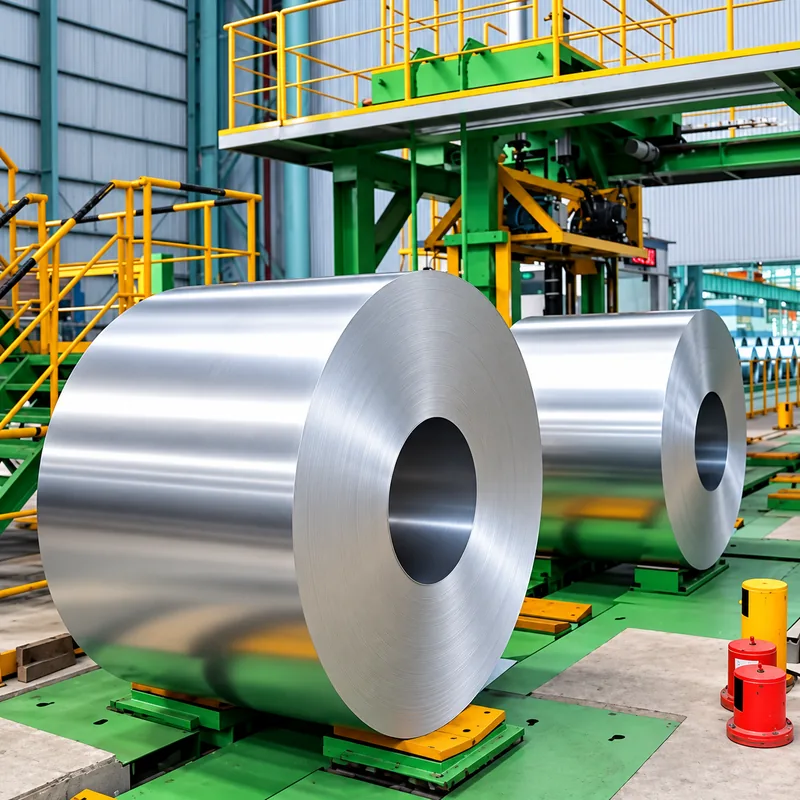
ASTM A240 304 Stainless Steel Coil
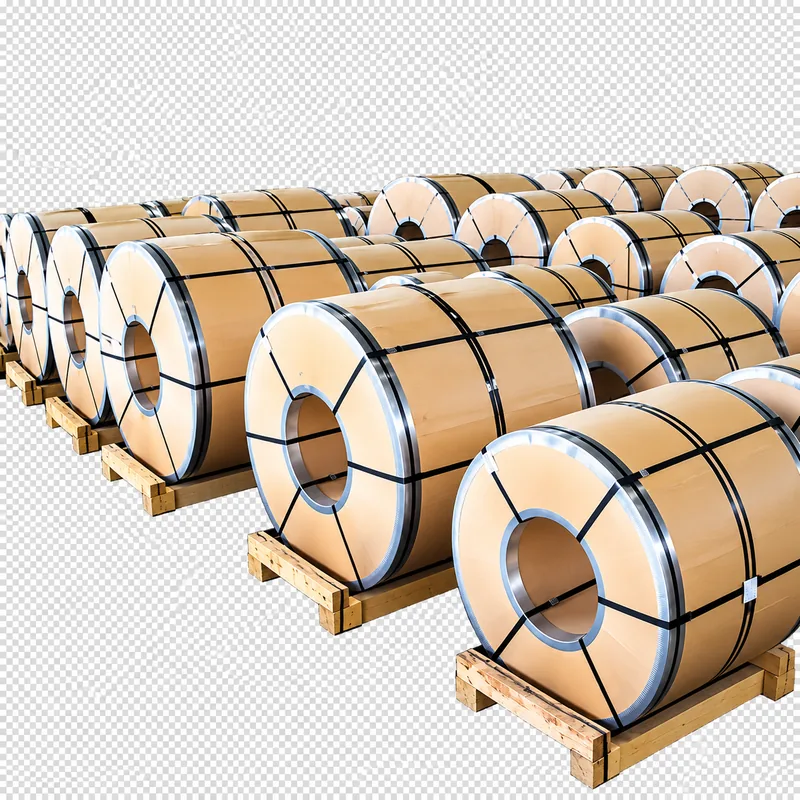
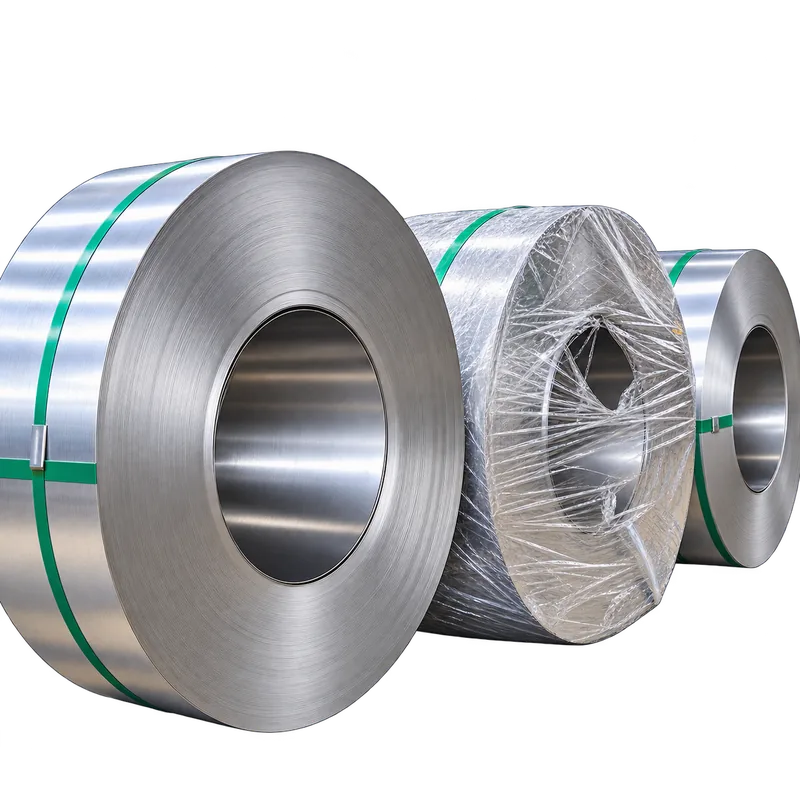
ASTM A240 304 Stainless Steel Coil offers excellent corrosion resistance, formability, and weldability for a wide range of industrial applications. Available in various thicknesses, widths, and surface finishes, including 2B, BA, No. 1, and No. 4, it is widely used in food processing equipment, kitchenware, architectural components, and industrial manufacturing. Custom sizes and bulk orders are available upon request.
- Mill Test Certificate Provided
- Strict Quality Inspection
- Custom Sizes Available
- On-Time Global Delivery
ASTM A240 304 Stainless Steel Coil is a versatile austenitic stainless steel product widely recognized for its excellent corrosion resistance, durability, and mechanical properties. Containing approximately 18% chromium and 8% nickel, AISI 304 (UNS S30400) provides reliable performance in a wide range of industrial and commercial environments. Its balanced combination of strength, corrosion resistance, and cost-effectiveness makes it one of the most commonly used stainless steel grades.
304 stainless steel coils offer excellent formability, good weldability, and reliable performance in various fabrication processes. They can be processed through slitting, cutting, bending, stamping, and deep drawing to meet different manufacturing requirements. Available in various thicknesses, widths, and surface finishes, including 2B, BA, No. 1, and No. 4, these coils are suitable for applications requiring both functional performance and aesthetic appearance.
ASTM A240 304 Stainless Steel Coil is widely used in food processing equipment, kitchenware, architectural components, industrial machinery, storage tanks, and general metal fabrication. Sky Steel Group supplies 304 stainless steel coils in various specifications to meet diverse industrial purchasing requirements. Custom dimensions, surface finishes, and bulk orders are available upon request. Contact us today to discuss your project requirements and request a competitive quotation.
Key Features of 304 Stainless Steel Coil
- Excellent Corrosion Resistance: Provides reliable resistance to oxidation and corrosion in a wide range of atmospheric and mildly corrosive environments.
- High Durability: Offers good mechanical strength, toughness, and long-term performance in industrial and commercial applications.
- Excellent Formability: Suitable for bending, stamping, deep drawing, and other metal fabrication processes.
- Good Weldability: Compatible with common stainless steel welding methods using appropriate welding procedures.
- Various Surface Finishes: Available in 2B, BA, No. 1, and No. 4 finishes to meet different functional and aesthetic requirements.
- Customizable Specifications: Available in various thicknesses, widths, and coil dimensions to accommodate specific manufacturing requirements.
ASTM A240 304 Stainless Steel Coil — Technical Specifications
| Parameter | Specification |
|---|---|
| Product Name | ASTM A240 304 Stainless Steel Coil |
| Grade | AISI 304 / UNS S30400 / EN 1.4301 |
| Standard | ASTM A240/A240M, EN 10088-2 |
| Material | Austenitic Stainless Steel |
| Thickness | 0.3–6.0 mm |
| Width | 100–2000 mm |
| Surface Finish | 2B, BA, No. 1, No. 4, HL |
| Edge Type | Mill Edge / Slit Edge |
| Processing | Slitting, Cutting, Bending, Forming |
| Tensile Strength | ≥ 515 MPa (ASTM A240, Annealed) |
| Yield Strength (0.2%) | ≥ 205 MPa (ASTM A240, Annealed) |
| Elongation | ≥ 40% (ASTM A240, Annealed) |
| Density | Approx. 7.93 g/cm³ |
| Applications | Food Processing, Kitchenware, Architecture, Industrial Equipment |
| Packaging | Standard Export Seaworthy Packaging |
| Customization | Available Upon Request |
Dimensions and surface finishes are subject to order confirmation. Mechanical properties shown apply to annealed material under the specified standard; applicable requirements depend on product dimensions and test conditions.
Applications of 304 Stainless Steel Coil
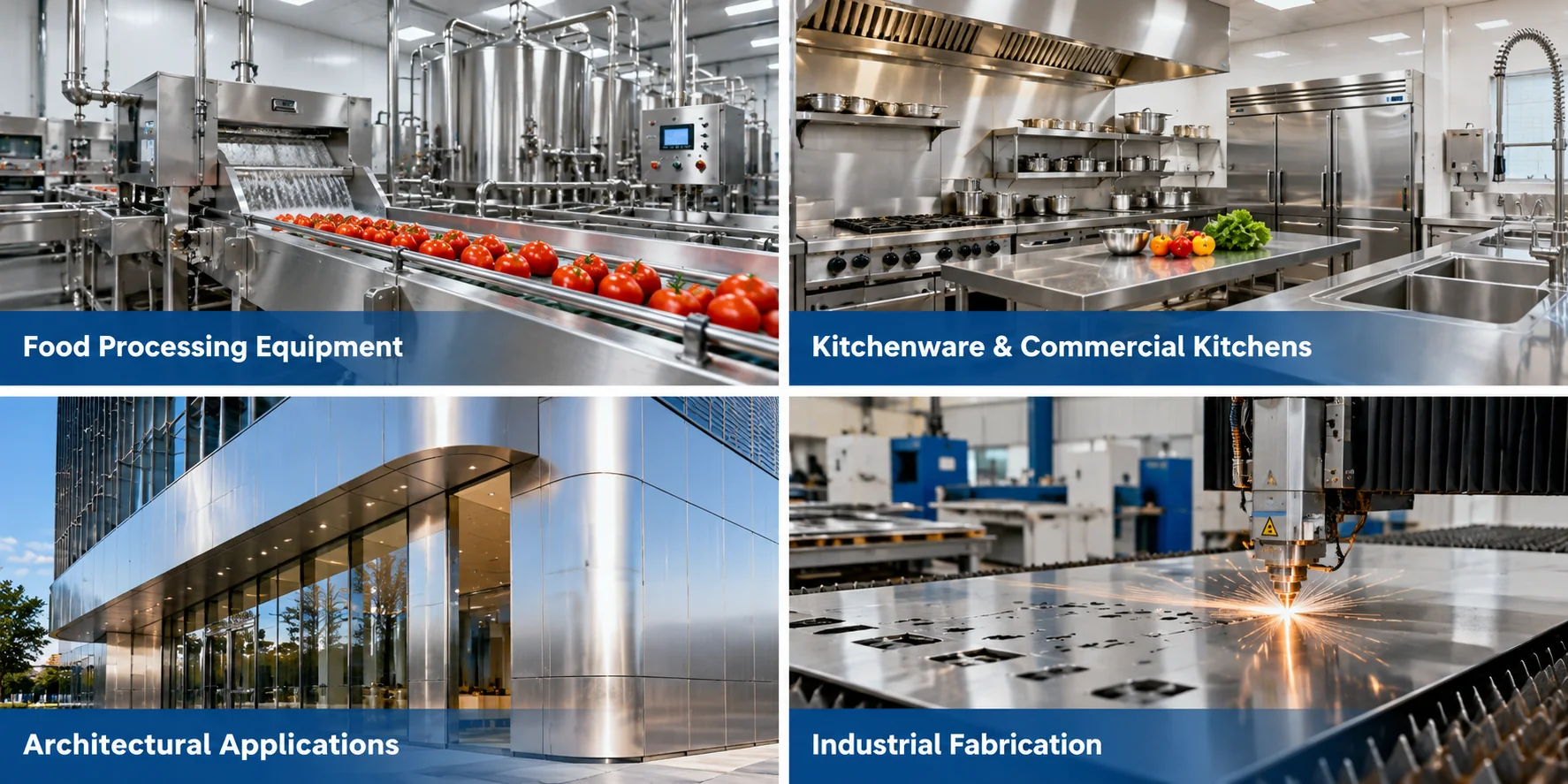
1. Food Processing Equipment
ASTM A240 304 Stainless Steel Coil is widely used in the manufacturing of food processing machinery, storage containers, conveyor systems, and food preparation equipment. Its excellent corrosion resistance, smooth surface finish, and ease of cleaning make it suitable for hygienic food production environments requiring durable and reliable materials.
2. Kitchenware & Commercial Kitchens
304 stainless steel coils are commonly used to manufacture kitchen sinks, countertops, cooking equipment, cabinets, and commercial kitchen fixtures. Their excellent formability, weldability, and corrosion resistance make them ideal for kitchen applications requiring frequent cleaning, long-term durability, and an attractive surface appearance.
3. Architectural & Decorative Applications
ASTM A240 304 Stainless Steel Coil is widely used in architectural cladding, decorative panels, elevator interiors, wall coverings, and building fixtures. Available in various surface finishes, including BA, No. 4, and HL, it provides a combination of aesthetic appeal, durability, and corrosion resistance for interior and suitable exterior architectural applications.
4. Industrial Manufacturing & Fabrication
304 stainless steel coils are extensively used in the production of industrial enclosures, machinery components, equipment panels, storage tanks, and fabricated metal products. Their excellent formability and good weldability support various manufacturing processes, including cutting, slitting, bending, stamping, and deep drawing, making them suitable for a wide range of industrial applications.
Frequently Asked Questions
1. What is ASTM A240 304 Stainless Steel Coil?
ASTM A240 304 Stainless Steel Coil is an austenitic stainless steel product containing chromium and nickel, known for its excellent corrosion resistance, formability, and weldability. Commonly designated as AISI 304 or UNS S30400, it is widely used in food processing equipment, kitchenware, architectural applications, and industrial manufacturing.
2. What is the difference between 304 and 316 stainless steel coils?
The main difference is their chemical composition and corrosion resistance. Grade 304 typically contains 18–20% chromium and 8–10.5% nickel, while Grade 316 contains additional molybdenum, which improves resistance to pitting and crevice corrosion in chloride-containing environments. 304 stainless steel is generally more cost-effective for everyday industrial applications, while 316 is preferred for more demanding corrosive conditions.
3. What standards apply to 304 Stainless Steel Coil?
304 Stainless Steel Coil is commonly specified according to ASTM A240/A240M or EN 10088-2, depending on customer requirements. Common material designations include AISI 304, UNS S30400, and EN 1.4301. Buyers should confirm the applicable standard, material condition, dimensional tolerances, and required certifications before ordering.
4. What thicknesses, widths, and surface finishes are available?
304 stainless steel coils are available in various thicknesses, widths, and surface finishes, including 2B, BA, No. 1, No. 4, and HL. Custom dimensions, slit widths, and processing options may be available depending on production capabilities and order requirements. Contact us to confirm specific sizes and availability.
5. What are the main applications of 304 Stainless Steel Coil?
304 Stainless Steel Coil is widely used in food processing machinery, commercial kitchen equipment, architectural panels, industrial enclosures, storage tanks, and general metal fabrication. Its combination of corrosion resistance, good formability, and weldability makes it suitable for a broad range of industrial and commercial applications.
6. Can I order customized ASTM A240 304 Stainless Steel Coils in bulk?
Yes. Sky Steel Group supplies 304 stainless steel coils for industrial and commercial purchasing requirements. Custom thicknesses, widths, surface finishes, and coil dimensions can be discussed based on order quantity and production availability. Contact our sales team with your required specifications, quantity, and delivery destination to request pricing, minimum order quantity (MOQ), and estimated lead time.