ASTM A312 TP316 Stainless Steel Pipe
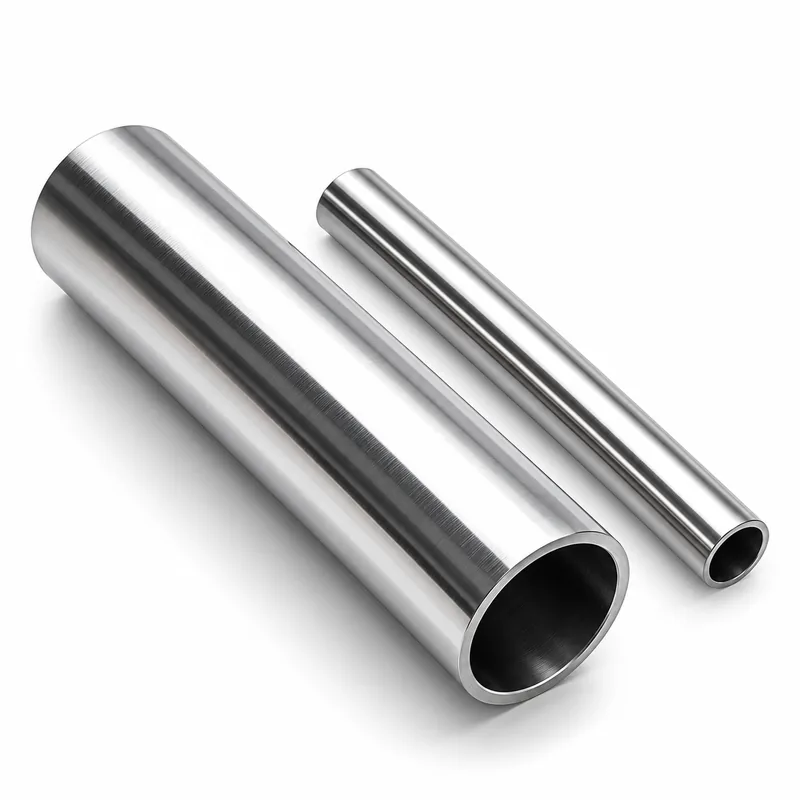
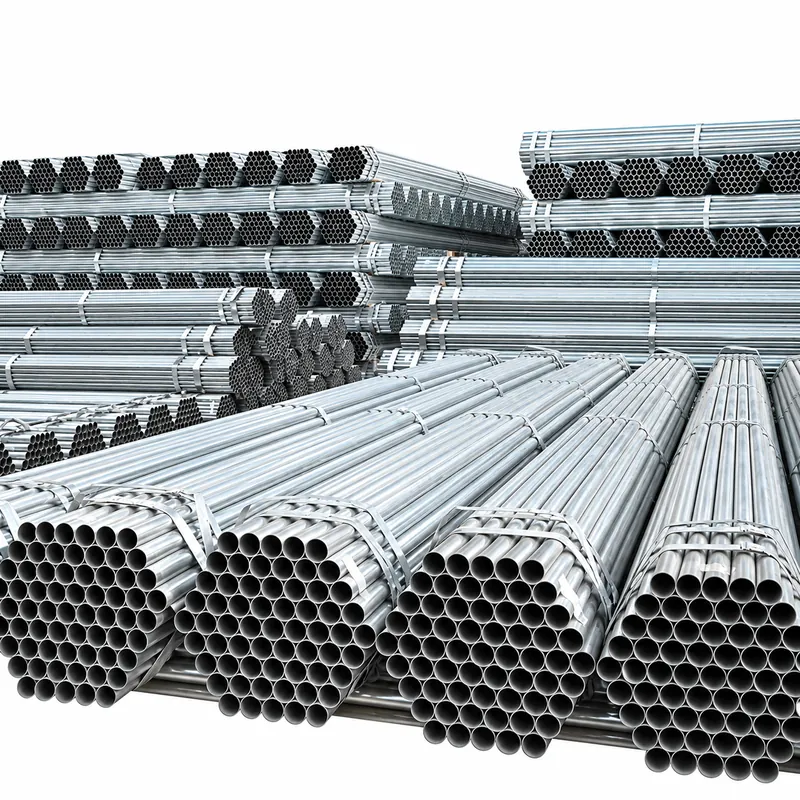
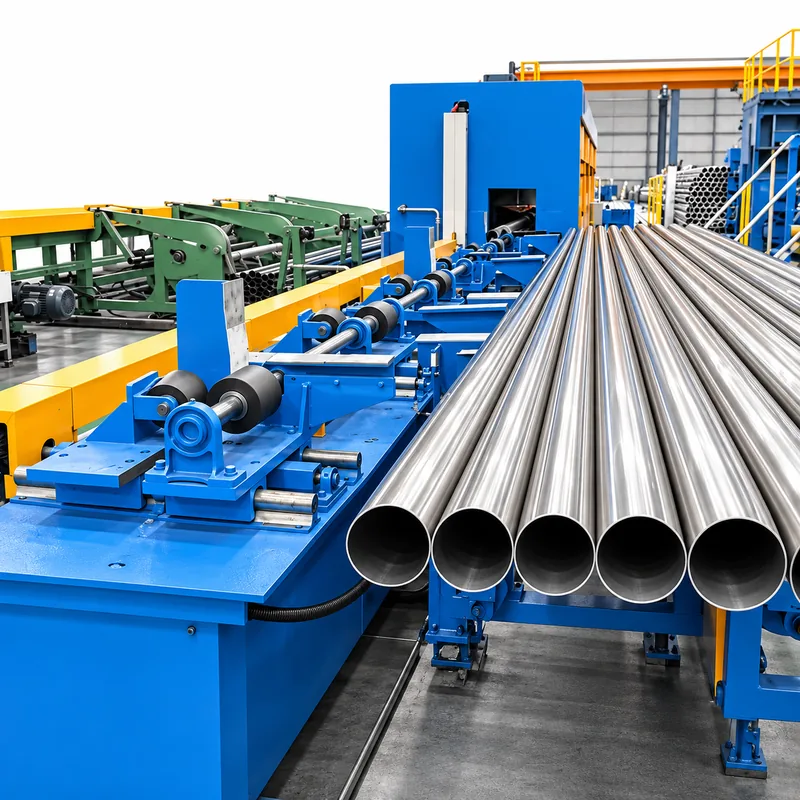
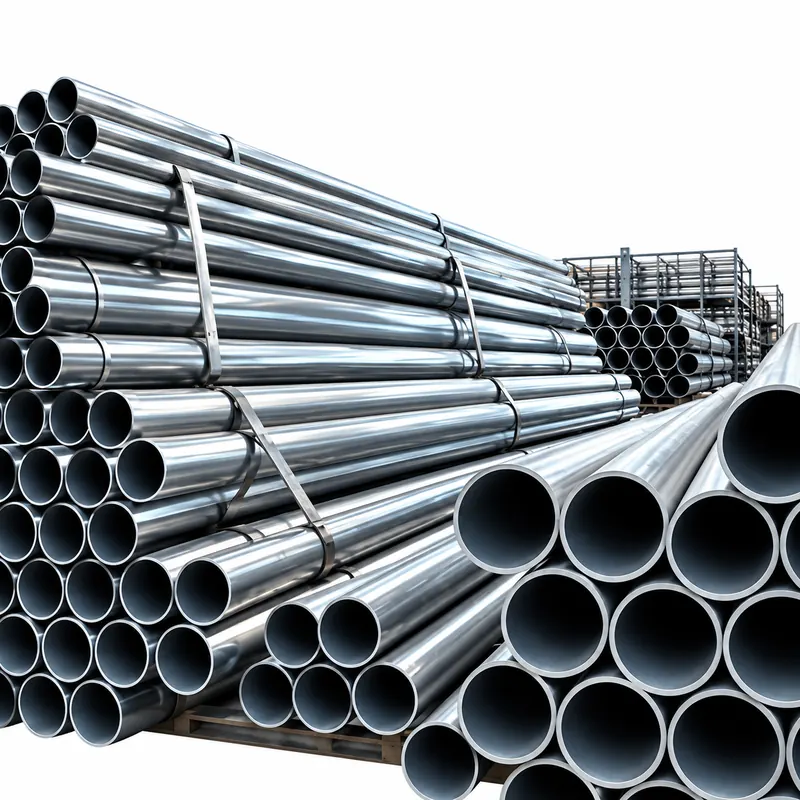
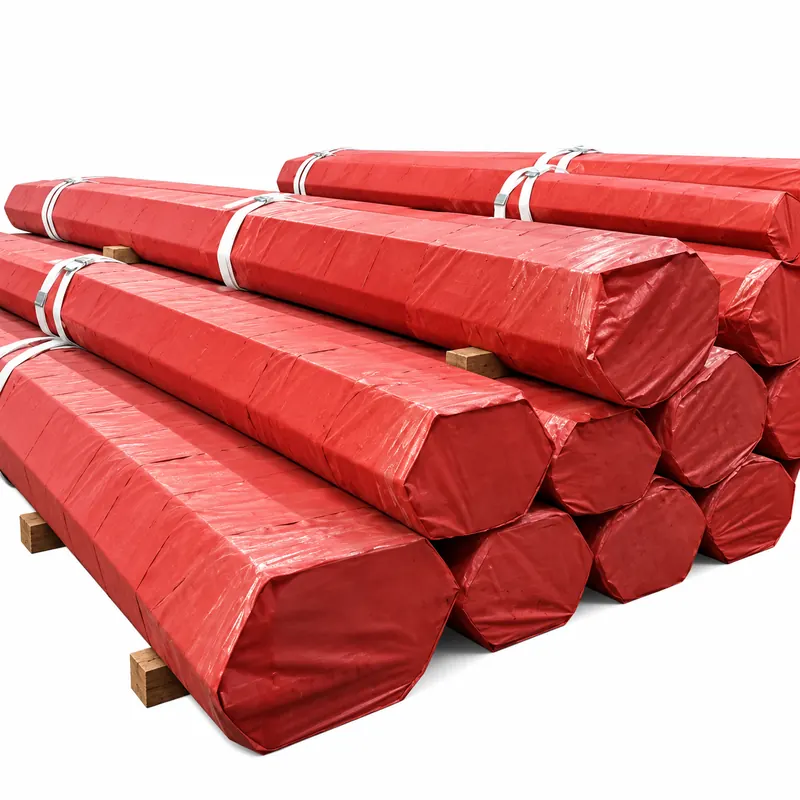
ASTM A312 TP316 Stainless Steel Pipe
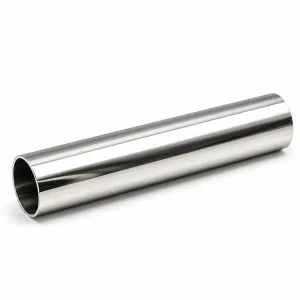
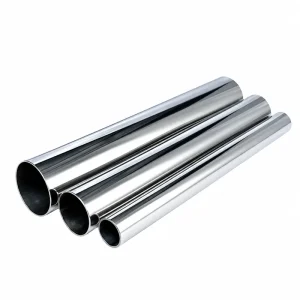
ASTM A312 TP316 Stainless Steel Pipe contains 2.0–3.0% molybdenum for improved resistance to chloride-induced pitting. Available in seamless and welded construction, with Schedule 10S, 40S and 80S wall thicknesses for chemical processing and industrial piping applications.
- Mill Test Certificate Provided
- Strict Quality Inspection
- Custom Sizes Available
- On-Time Global Delivery
316 Stainless Steel Pipe is an austenitic chromium-nickel-molybdenum stainless steel pipe manufactured for industrial piping applications. Under ASTM A312, TP316 contains 2.00–3.00% molybdenum, providing better resistance to chloride-induced pitting than conventional TP304 stainless steel.
TP316 pipe is commonly specified for chemical transfer lines, process piping, marine-related equipment, and industrial fluid-handling systems where corrosion resistance and material traceability are important.
Seamless and welded pipes are available as different manufacturing options. Selection depends on the operating pressure, temperature, pipe dimensions, applicable piping code, and project specifications.
Product Features
- Molybdenum-Alloyed Corrosion Resistance – Contains 2.0–3.0% molybdenum, improving resistance to chloride-induced pitting and crevice corrosion compared with TP304.
- ASTM A312 TP316 Specification – Manufactured to ASTM A312 requirements for chemical composition, mechanical properties, dimensions, and applicable testing.
- Seamless and Welded Construction – Available in seamless and longitudinally welded types to meet different piping specifications and procurement requirements.
- High-Temperature Performance – Austenitic stainless steel structure provides useful strength and oxidation resistance at elevated temperatures, subject to service conditions and design limits.
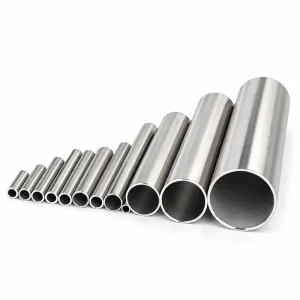
- Standard Pipe Schedules – Schedule 10S, 40S, and 80S options accommodate different wall thickness requirements, depending on nominal pipe size and supply availability.
- Material Traceability – Heat-number identification and material test certificates can support chemical composition verification, mechanical testing, and project documentation requirements.
Product Specifications
| Parameter | Specification |
|---|---|
| Product Name | 316 Stainless Steel Pipe |
| Material Grade | TP316 / UNS S31600 |
| Standard | ASTM A312 / A312M |
| Dimensional Standard | ASME B36.19M |
| Manufacturing Process | Seamless / Welded |
| Outside Diameter | According to specified NPS |
| Wall Thickness | SCH 10S / 40S / 80S |
| Length | Fixed / Random / Cut-to-Length |
| Surface Finish | Annealed & Pickled |
| Heat Treatment | Solution Annealed |
| End Type | Plain / Beveled |
| Tensile Strength | ≥ 515 MPa |
| Yield Strength | ≥ 205 MPa |
| Molybdenum Content | 2.00–3.00% |
| Corrosion Resistance | Improved chloride pitting resistance vs. TP304 |
| Inspection | Hydrostatic / Permitted NDE |
| Test Certificate | EN 10204 3.1 (Upon Request) |
| Applications | Chemical Processing / Industrial Piping |
Product Applications
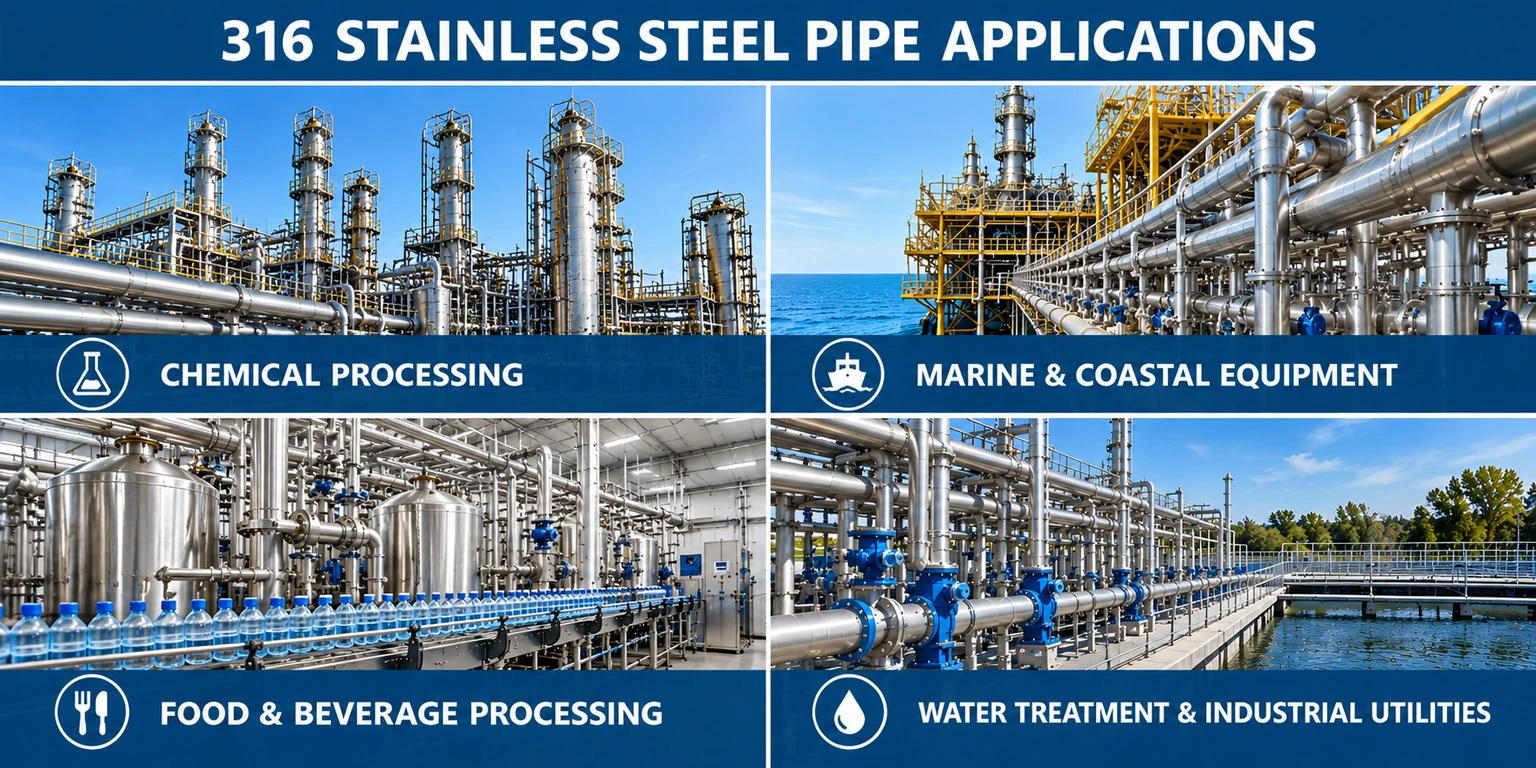
Chemical Processing
ASTM A312 TP316 stainless steel pipes are used in chemical transfer lines, reactor connections, and process piping systems. With 2.0–3.0% molybdenum, TP316 offers improved resistance to chloride-induced pitting compared with TP304. It is suitable for handling compatible process chemicals, including selected organic acids and chloride-containing solutions, where fluid concentration and operating temperature are controlled.
Marine & Coastal Equipment
316 stainless steel pipes are used in coastal processing facilities, offshore equipment utilities, and piping systems exposed to salt-laden atmospheres. The molybdenum addition improves resistance to localized corrosion in chloride-containing environments. For direct seawater contact, particularly under warm or stagnant conditions, material suitability must be evaluated to prevent pitting and crevice corrosion.
Food & Beverage Processing
TP316 stainless steel pipes are used in selected food processing utilities, equipment connections, and cleaning chemical distribution lines. Their resistance to certain acidic cleaning solutions and chloride-containing media makes them useful in appropriate processing environments. Direct product-contact systems may require sanitary-grade tubing with specified internal surface finishes and hygienic welding procedures.
Water Treatment & Industrial Utilities
ASTM A312 TP316 pipes are used in treated-water distribution, chemical dosing lines, filtration equipment connections, and industrial utility piping. They provide improved resistance to localized corrosion compared with TP304 in certain chloride-containing waters. Material selection should account for water chemistry, chloride concentration, operating temperature, and potential deposits inside the piping system.
Frequently Asked Questions
What is the difference between 316 and 316L stainless steel pipe?
The main difference is carbon content. ASTM A312 TP316 allows up to 0.08% carbon, while TP316L is limited to 0.035%. The lower carbon content of TP316L reduces the risk of sensitization during welding, making it preferable for many welded piping assemblies where post-weld solution annealing is impractical.
What is the difference between 304 and 316 stainless steel pipe?
316 stainless steel contains 2.0–3.0% molybdenum, which is not intentionally added to standard 304. This improves resistance to chloride-induced pitting and crevice corrosion. TP316 is often considered for more demanding chemical processing and coastal environments, although its suitability depends on the actual operating conditions.
What sizes are available for ASTM A312 TP316 stainless steel pipe?
ASTM A312 TP316 pipes are specified by nominal pipe size, outside diameter, and wall thickness. Common wall thickness designations include Schedule 10S, 40S, and 80S. Available dimensions depend on the manufacturing process and production range. Buyers should specify the required NPS or OD, schedule, and length when requesting a quotation.
Can 316 stainless steel pipe be used in seawater applications?
TP316 provides better resistance to chloride-induced pitting than TP304, but it is not immune to seawater corrosion. Warm seawater, stagnant flow, deposits, and crevices can cause localized corrosion. Continuous seawater piping may require more corrosion-resistant materials, depending on the service conditions.
Is seamless or welded 316 stainless steel pipe better?
Neither manufacturing method is universally better. Seamless pipe has no longitudinal weld seam, while welded pipe can offer cost and dimensional advantages in certain sizes. Both can comply with ASTM A312. Selection depends on project specifications, pipe dimensions, inspection requirements, design pressure, and operating temperature.
What information is required to order 316 stainless steel pipe?
Please provide the material grade (TP316), manufacturing type (seamless or welded), outside diameter or NPS, wall thickness or schedule, pipe length, and required quantity. Include any inspection requirements, material test certificates, and delivery destination to obtain an accurate quotation.