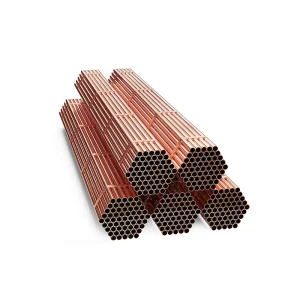
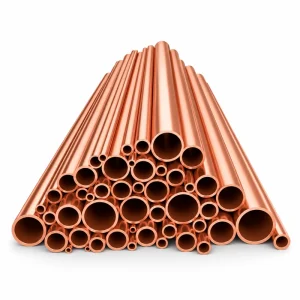
C11000 Copper Pipe
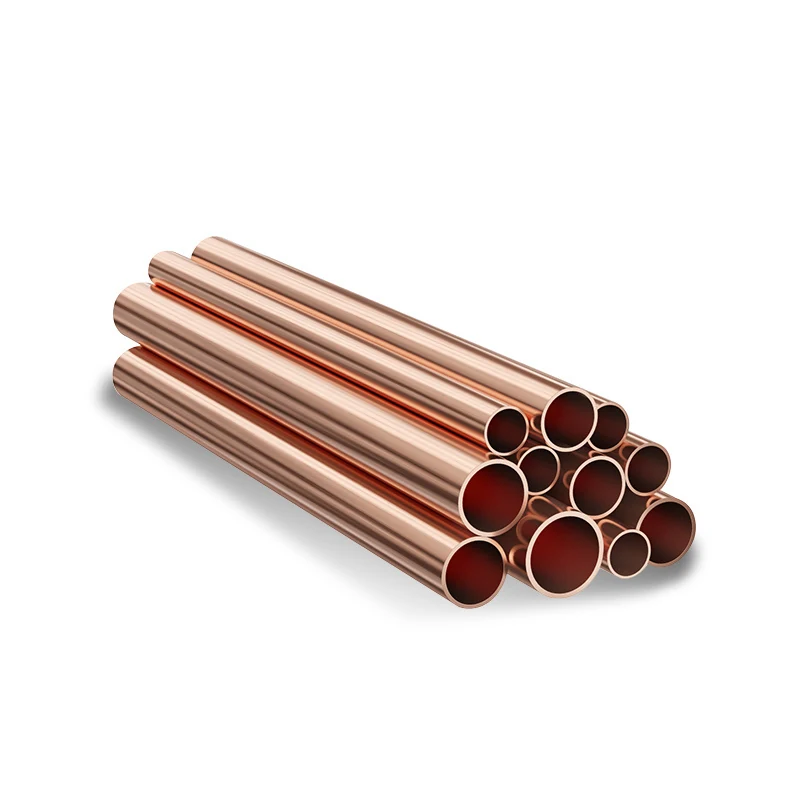
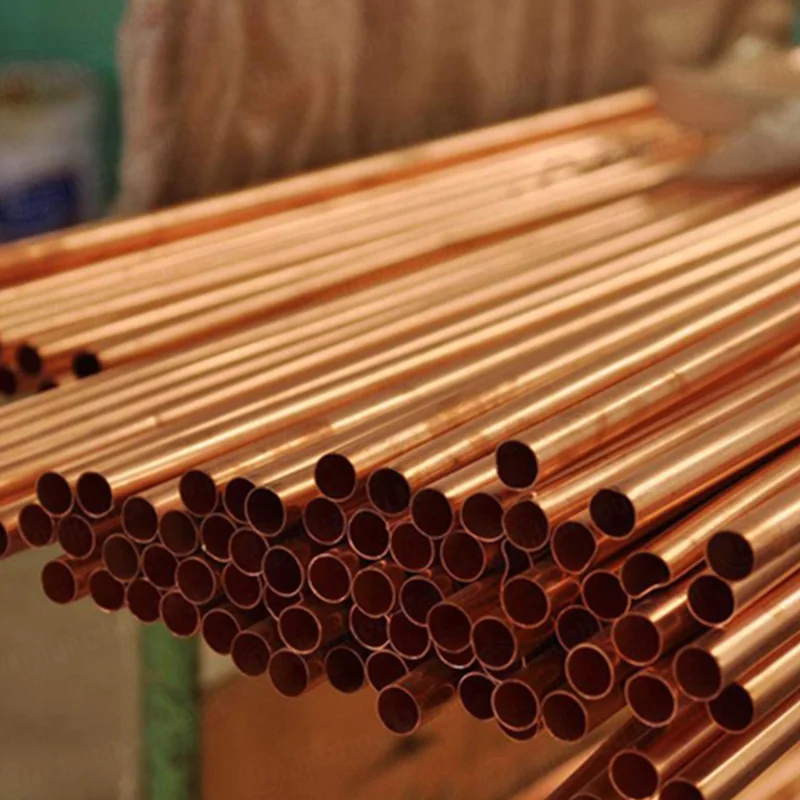
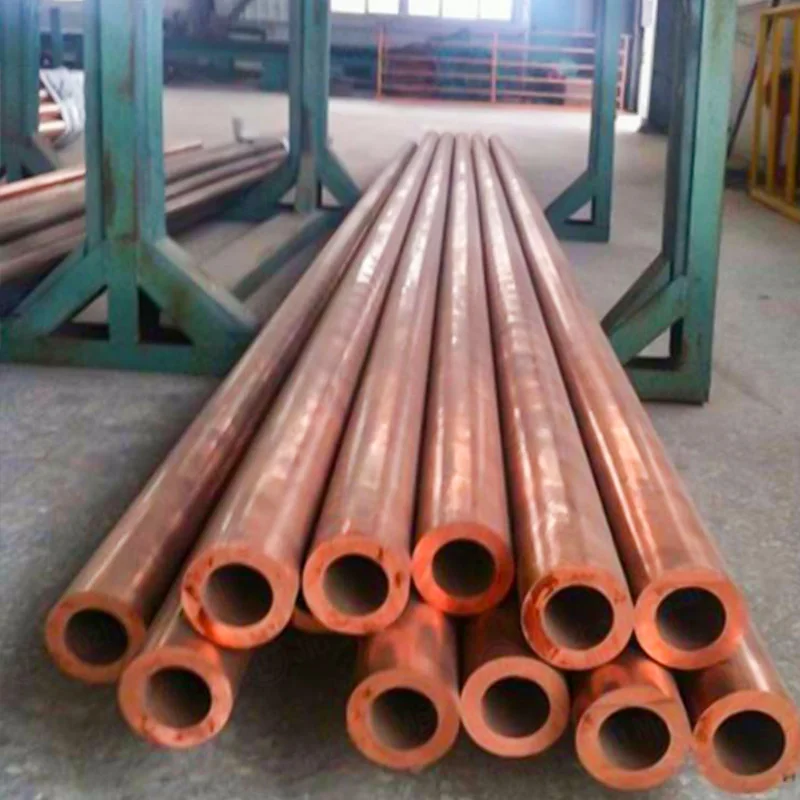
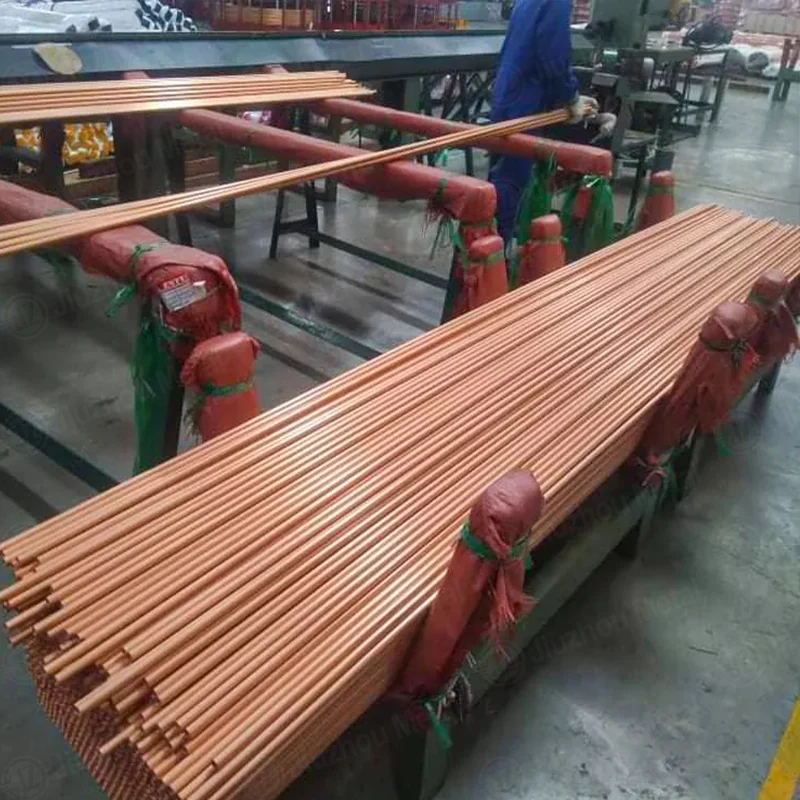
C11000 Copper Pipe
C11000 copper pipe is manufactured from electrolytic tough pitch (ETP) copper, offering high electrical and thermal conductivity. Suitable for electrical components, heat transfer equipment, and industrial fabrication. Available in various diameters, wall thicknesses, and lengths, with custom processing options subject to availability.
- Mill Test Certificate Provided
- Strict Quality Inspection
- Custom Sizes Available
- On-Time Global Delivery
C11000 copper pipe is produced from electrolytic tough pitch (ETP) copper with a minimum copper content of 99.90%, including silver. Its high electrical conductivity makes it a practical choice for tubular electrical conductors and current-carrying components, while its thermal conductivity supports selected heat transfer applications.
Seamless C11000 copper tubes can be specified to ASTM B75, while ASTM B188 covers seamless copper bus pipe and tube for electrical purposes. Annealed tubing provides greater flexibility for forming, while drawn tempers offer higher strength and improved dimensional stability. Outside diameter, wall thickness, and temper should be specified for quotation.
Typical applications include electrical bus systems, conductive assemblies, and industrial thermal components. Sky Steel Group supplies C11000 copper tubes for OEM manufacturing and bulk purchasing, with cutting and custom sizing subject to confirmation.
Product Features
- High Electrical Conductivity – Annealed C11000 ETP copper typically provides approximately 100% IACS conductivity, making it suitable for tubular bus conductors and current-carrying electrical components.
- High Thermal Conductivity – Thermal conductivity of approximately 390 W/m·K at room temperature supports heat transfer in selected industrial thermal components and equipment assemblies.
- 99.90% Minimum Copper Content – UNS C11000 contains at least 99.90% copper, including silver, with chemical composition controlled according to the specified material standard.
- ASTM B75 & ASTM B188 Applications – ASTM B75 covers seamless copper tubes, while ASTM B188 applies to seamless copper bus pipe and tube for electrical applications. Supply compliance must be confirmed for each order.
- Annealed & Drawn Tempers – Annealed tubing provides greater ductility for forming, while drawn tempers offer increased strength and dimensional stability for electrical and mechanical assemblies.
- Electrical Bus Tube Fabrication – Tubular profiles can be cut and machined into bus conductors and electrical connections. Outside diameter, wall thickness, temper, and end preparation can be specified for manufacturing requirements.
C11000 Copper Pipe – Technical Specifications
| Parameter | Specification |
|---|---|
| Material Grade | UNS C11000 / ETP Copper |
| Equivalent Grade | T2 (Approximate GB Equivalent) |
| Copper Content (Cu + Ag) | ≥ 99.90% |
| Applicable Standards | ASTM B75 / ASTM B188 (as applicable) |
| Product Form | Seamless Round Copper Tube |
| Outside Diameter (OD) | As per available specifications |
| Wall Thickness | As per available specifications |
| Length | Straight Lengths / Cut-to-Length |
| Temper | Annealed / Drawn |
| Electrical Conductivity | Approx. 100% IACS (annealed reference) |
| Thermal Conductivity | Approx. 390 W/(m·K) |
| Tensile Strength | Depends on temper |
| Surface Finish | Mill Finish / Drawn Surface |
| Processing | Cutting / End Preparation |
| Inspection Document | EN 10204 3.1 (Upon Request) |
Applications
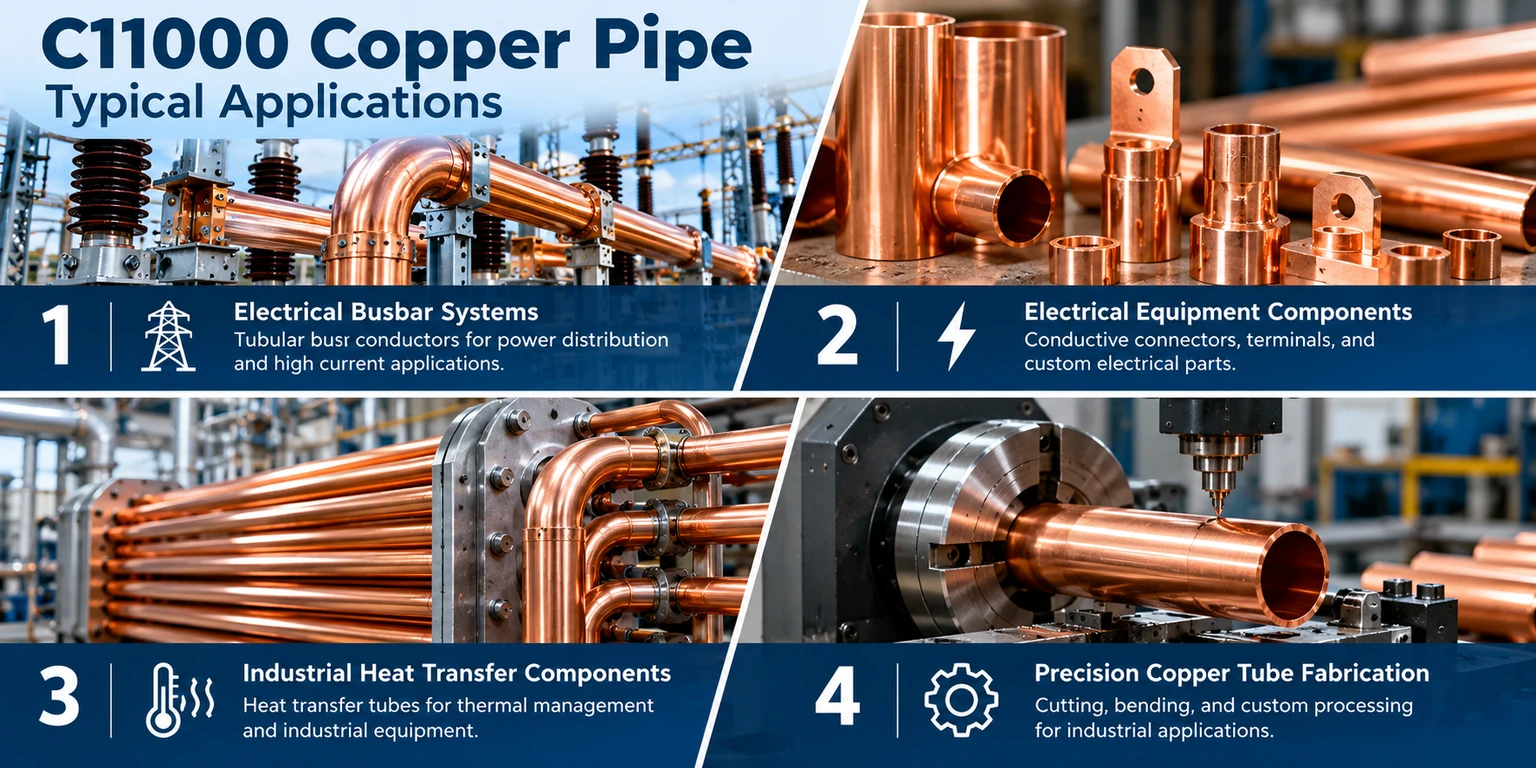
1. Electrical Busbar Systems
C11000 copper pipes are used as tubular bus conductors in substations, switchgear assemblies, and high-current power distribution systems. Their high electrical conductivity helps reduce resistive losses, while the hollow profile provides a practical conductor geometry for selected electrical installations. ASTM B188 covers seamless copper bus pipe and tube for electrical applications.
2. Electrical Equipment Components
C11000 copper tubes can be machined into conductive connectors, tubular terminals, and custom electrical components. Annealed C11000 typically provides approximately 100% IACS electrical conductivity, making it suitable for applications requiring efficient current transfer. Tube dimensions, material temper, contact surfaces, and connection methods are selected according to the equipment design.
3. Industrial Heat Transfer Components
C11000 copper tubes are used in selected industrial heat transfer and thermal management assemblies. With thermal conductivity of approximately 390 W/m·K at room temperature, the material supports efficient heat conduction in suitable equipment designs. Applications involving brazing, high-temperature hydrogen, or reducing atmospheres require careful assessment because oxygen-bearing ETP copper is susceptible to hydrogen embrittlement.
4. Precision Copper Tube Fabrication
C11000 copper tubes are processed into conductive sleeves, tubular connectors, and custom industrial components. Annealed material provides greater ductility for forming, while drawn tempers offer higher strength and dimensional stability. Cutting, drilling, and end machining can be specified according to component drawings, required tolerances, and production quantities.
Frequently Asked Questions
1. What is the difference between C11000 and C12200 copper pipe?
C11000 is electrolytic tough pitch (ETP) copper with high electrical conductivity, making it suitable for electrical bus tubes and conductive components. C12200 is phosphorus-deoxidized copper, commonly selected for plumbing, refrigeration, and brazed tubing systems. C11000 offers higher electrical conductivity, while C12200 provides better resistance to hydrogen embrittlement during suitable high-temperature processing.
2. Which ASTM standards apply to C11000 copper pipe?
ASTM B75 covers seamless copper tubes for general applications, while ASTM B188 covers seamless copper bus pipe and tube intended for electrical purposes. The appropriate standard depends on the product’s intended use. Buyers should specify the required ASTM designation, dimensions, temper, and inspection requirements when requesting a quotation.
3. What is the electrical conductivity of C11000 copper pipe?
Annealed C11000 copper typically provides approximately 100% IACS electrical conductivity at 20°C. This makes it suitable for tubular bus conductors, electrical connections, and other current-carrying components. Actual conductivity depends on material condition and applicable specification, so electrical performance requirements should be confirmed before ordering.
4. Can C11000 copper pipe be bent, welded, or brazed?
Annealed C11000 copper tubing can be bent and formed using suitable tooling and bend radii. Joining methods must be selected carefully because C11000 contains oxygen and may suffer hydrogen embrittlement when heated in hydrogen-containing or reducing atmospheres. For extensive brazing or refrigeration piping, C12200 may be more appropriate.
5. What is the difference between annealed and drawn C11000 copper tubes?
Annealed C11000 copper tubes offer greater ductility and are preferred when bending or forming is required. Drawn tempers provide higher strength and improved dimensional stability for straight tubular components. The appropriate temper depends on fabrication requirements, mechanical loading, dimensional tolerances, and the applicable ASTM specification.
6. What information is required when ordering C11000 copper pipe?
A quotation should include the required ASTM standard, outside diameter, wall thickness, length, temper, quantity, and intended application. Electrical bus tube orders may also require conductivity verification and specific dimensional tolerances. Material test reports, cutting services, and special inspection requirements should be discussed before order confirmation.