Galvanized Rectangular Hollow Section
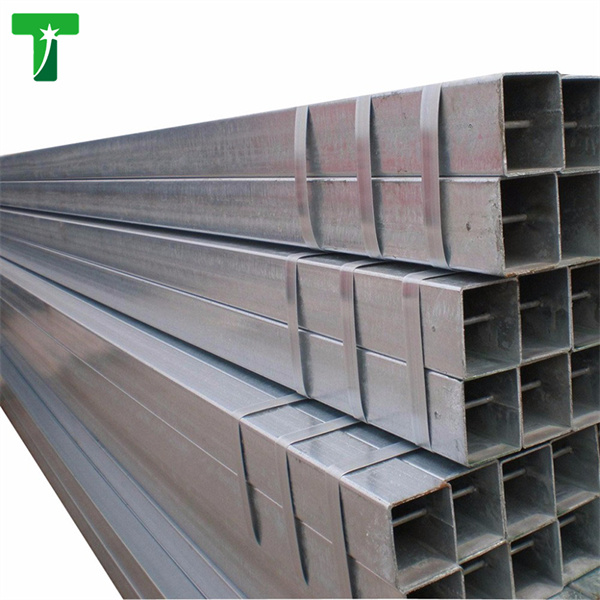
Galvanized Rectangular Hollow Section
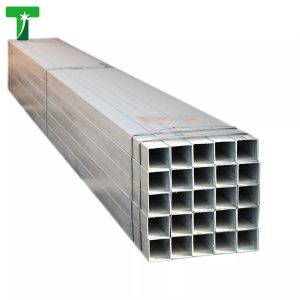
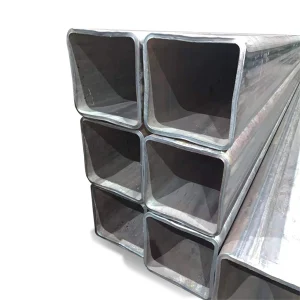
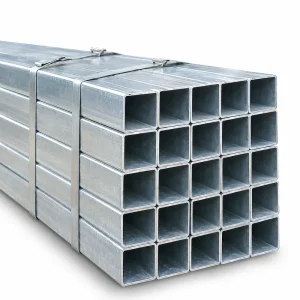
Galvanized Rectangular Hollow Sections (RHS) are used in structural steelwork where section properties, dimensional tolerances, and material specifications must be clearly defined. Available to applicable structural hollow section standards, these profiles can be selected according to project requirements for load-bearing members, fabricated assemblies, and engineered steel construction.
- Mill Test Certificate Provided
- Strict Quality Inspection
- Custom Sizes Available
- On-Time Global Delivery
One consideration when working with Galvanized Rectangular Hollow Sections is how the closed profile interacts with other steel components. End plates, brackets, and gusset connections may require different detailing depending on whether the section is installed horizontally, vertically, or at an angle. The arrangement of these connections can also influence access to fasteners and the sequence of on-site assembly.
In exposed installations, particular attention is often given to areas where water may collect, including horizontal surfaces, joints, and poorly drained connections. These locations can experience prolonged moisture exposure even when the surrounding steel remains relatively dry. Suitable drainage details and the avoidance of unnecessary water traps can help improve the long-term performance of the completed structure.
RHS sections are also frequently incorporated into modular steel assemblies that are manufactured in separate components and joined at the installation site. Consistent reference points, clearly identified connection positions, and practical handling arrangements help reduce alignment problems during assembly. For projects involving repeated structural units, these considerations can be particularly important in maintaining installation efficiency.
Product Features
- Efficient Section Geometry: The hollow rectangular profile concentrates material away from the section center, providing useful bending stiffness relative to its weight when appropriately sized.
- Reduced Exposed Surface Complexity: Compared with open structural sections, the closed profile eliminates inward-facing flanges and recesses, simplifying access to many external surfaces during routine cleaning.
- Predictable Section Orientation: Clearly defined major and minor axes help engineers evaluate bending behavior and select the appropriate section arrangement for a given loading condition.
- Enclosed Section Protection: The continuous outer perimeter limits direct exposure of the internal cavity to the surrounding environment, provided tube ends and openings are appropriately sealed.
Technical Specifications
| Parameter | Specification |
|---|---|
| Section Type | Galvanized Rectangular Hollow Section (RHS) |
| Dimensions (H × B) | 40 × 20 – 300 × 200 mm |
| Wall Thickness | 1.5 – 10.0 mm |
| Steel Grades | S235JRH / S275J0H / S355J2H |
| Standard | EN 10219-1 / EN 10219-2 |
| Corner Geometry | Rounded Corners |
| Surface Finish | Galvanized |
Reference Section Properties
| Size (mm) | A (cm²) | kg/m | Iy (cm⁴) | Iz (cm⁴) | Wel,y (cm³) | Wel,z (cm³) |
|---|---|---|---|---|---|---|
| 40×20×2 | 2.24 | 1.76 | 4.45 | 1.44 | 2.22 | 1.44 |
| 60×40×2 | 3.84 | 3.01 | 19.32 | 10.23 | 6.44 | 5.11 |
| 80×40×3 | 6.84 | 5.37 | 55.85 | 18.43 | 13.96 | 9.21 |
| 100×50×3 | 8.64 | 6.78 | 112.12 | 37.44 | 22.42 | 14.98 |
| 120×60×4 | 13.76 | 10.80 | 255.20 | 84.77 | 42.53 | 28.26 |
Reference values based on ideal sharp-corner geometry; actual section properties may vary.
Applications
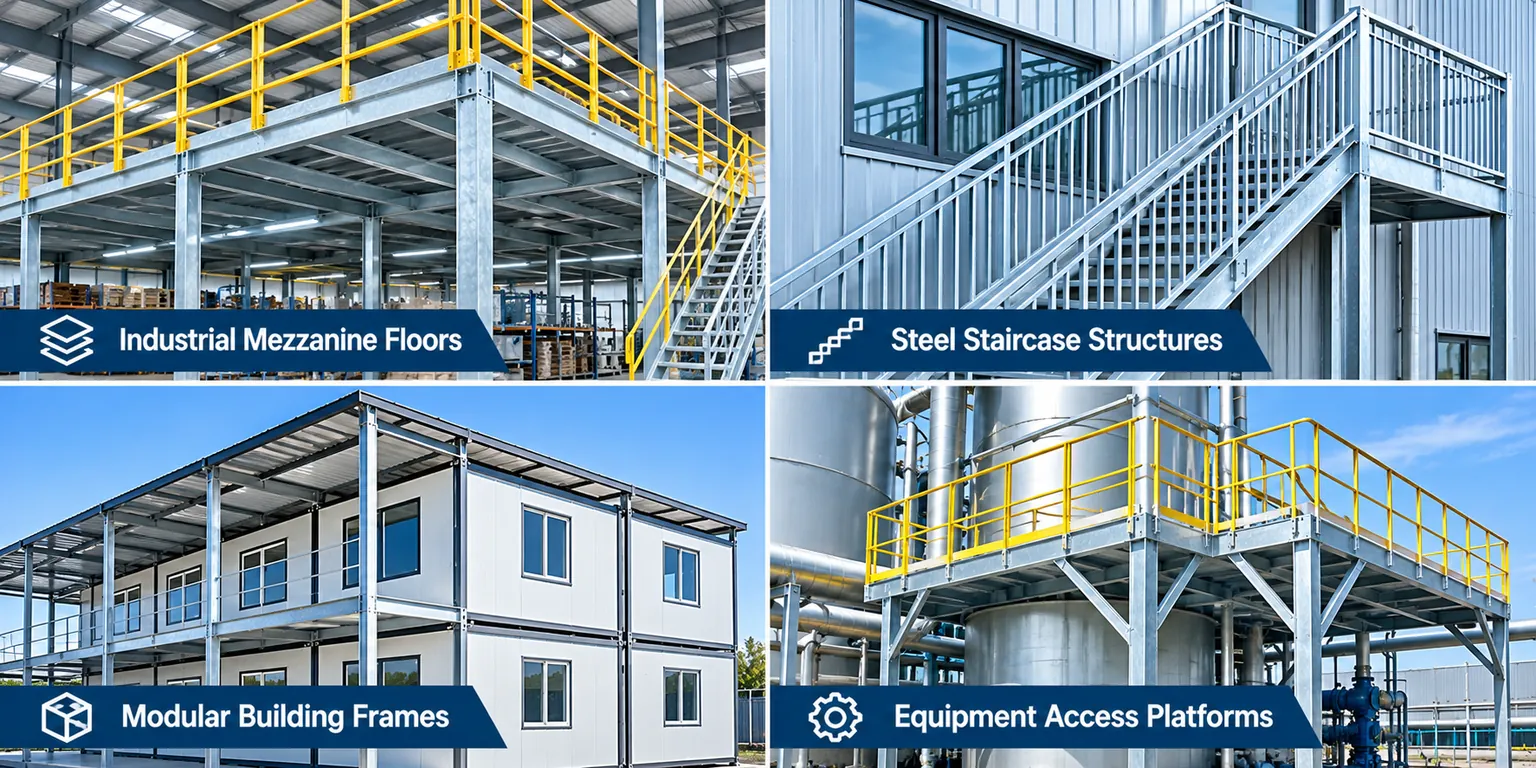
Galvanized Rectangular Hollow Sections (RHS) are used in industrial and engineered steel structures where framing arrangements, structural connections, and installation requirements vary between projects. Common applications include mezzanine floors, steel staircases, modular building frames, and equipment access platforms.
- Industrial Mezzanine Floors:
Used for secondary framing members, floor supports, and structural components in warehouse and factory mezzanine systems. RHS profiles can be incorporated into engineered layouts where floor loading, span requirements, and connection details determine the section selection. - Steel Staircase Structures:
Applied in staircase stringers, landing frames, and supporting members for industrial and commercial access systems. Rectangular hollow sections provide a practical profile for integrating structural supports with fabricated stair assemblies. - Modular Building Frames:
Used in prefabricated building modules, perimeter frames, and structural subassemblies. RHS members can be incorporated into repeatable framing layouts designed for off-site fabrication and subsequent installation. - Equipment Access Platforms:
Used for maintenance platform frames, access walkways, and equipment support structures in industrial facilities. Section dimensions and connection details are selected according to operating loads, access requirements, and the surrounding equipment layout.
Frequently Asked Questions
1. Is galvanized RHS the same as galvanized rectangular steel tube?
In most commercial enquiries, yes. Both terms commonly refer to galvanized steel tubing with a rectangular hollow cross-section. However, an RHS specified for structural use may need to meet particular material, dimensional, and testing requirements. The product standard matters more than the name.
2. Why can two RHS tubes with the same outside dimensions have different weights?
The actual weight depends on wall thickness, corner geometry, and manufacturing tolerances. For example, a 100 × 50 × 3 mm section will not necessarily have exactly the same measured weight as a simplified sharp-corner calculation suggests. Ask for the manufacturer’s weight table when comparing quotations.
3. Can I use the section properties shown on this page for structural design?
Not for final design without verification. The listed values are theoretical estimates based on ideal rectangular geometry. Actual cold-formed RHS has rounded corners, which affect its cross-sectional properties. Use the manufacturer’s verified section data and the applicable design standard for engineering calculations.
4. Can RHS be drilled or welded after galvanizing?
Yes, but drilling exposes steel at the hole edges, and welding damages the zinc coating near the joint. These areas need suitable corrosion-protection repair. Welding also requires proper control of zinc fumes.
5. Can you supply RHS with holes, base plates, or welded brackets?
These are possible fabrication requirements, but availability depends on the supplier’s processing capability. Send drawings showing hole positions, plate dimensions, weld details, and required tolerances so the work can be assessed before quotation.
6. What should I check if an RHS quotation is significantly cheaper than another?
Compare the actual wall thickness, steel grade, applicable standard, galvanizing process, coating requirements, and quoted weight per meter. A lower price may reflect a different specification rather than a better offer.