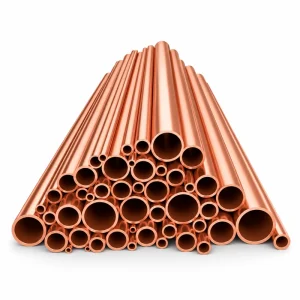
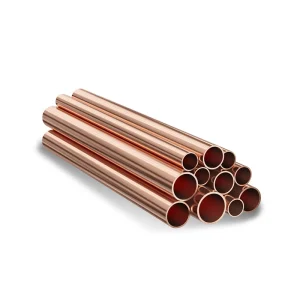
C12200 TP2 Copper Pipe
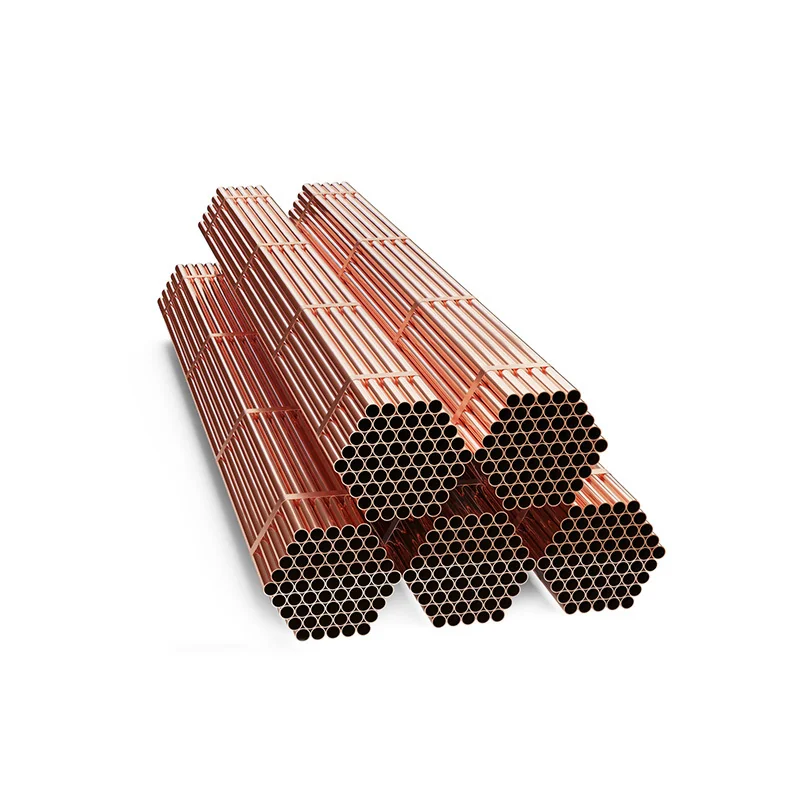
C12200 TP2 Copper Pipe
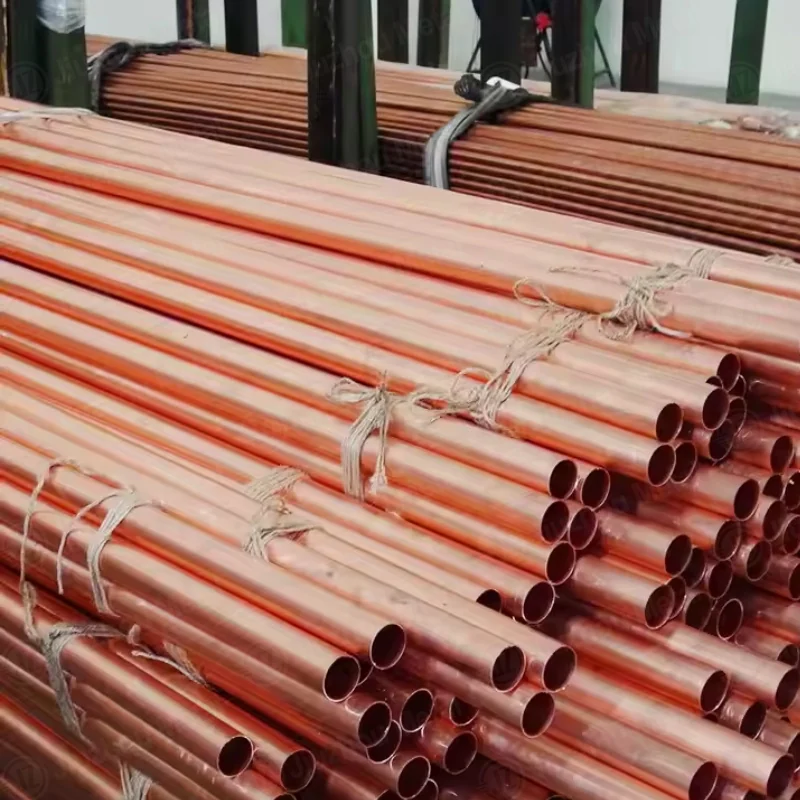
C12200 TP2 copper pipe is made from phosphorus-deoxidized copper, offering excellent formability, brazing performance and corrosion resistance. Commonly used in plumbing, HVAC and refrigeration systems, it is available in different diameters, wall thicknesses and tempers to meet industrial and commercial requirements.
- Mill Test Certificate Provided
- Strict Quality Inspection
- Custom Sizes Available
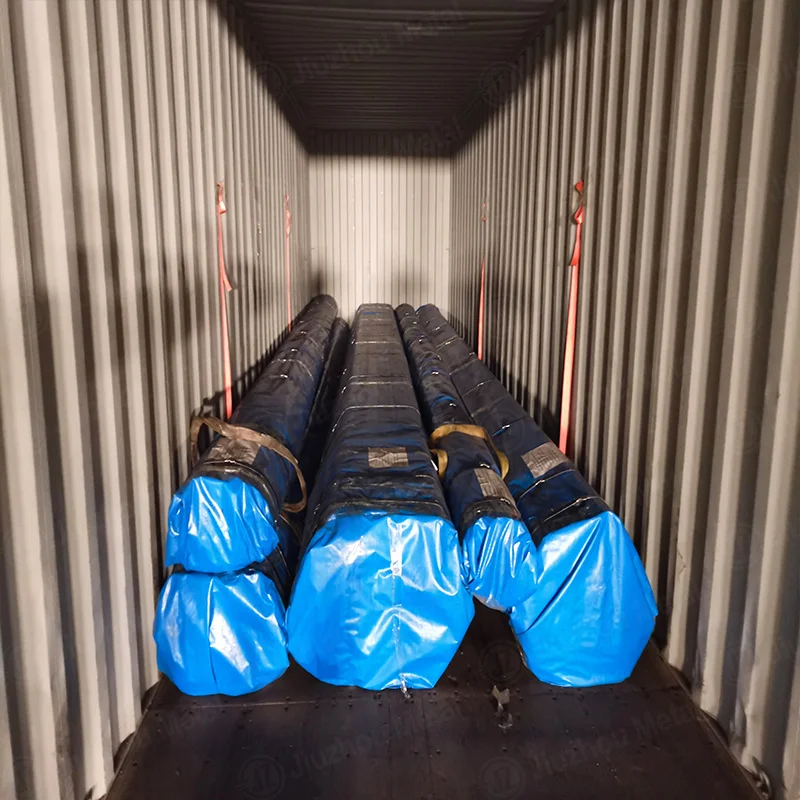
- On-Time Global Delivery
C12200 TP2 copper pipe is manufactured from phosphorus-deoxidized copper, containing a minimum of 99.9% copper and silver combined, with controlled phosphorus content. It offers excellent thermal conductivity, corrosion resistance, and reliable brazing performance, making it suitable for plumbing, HVAC, refrigeration, and industrial fluid transfer systems.
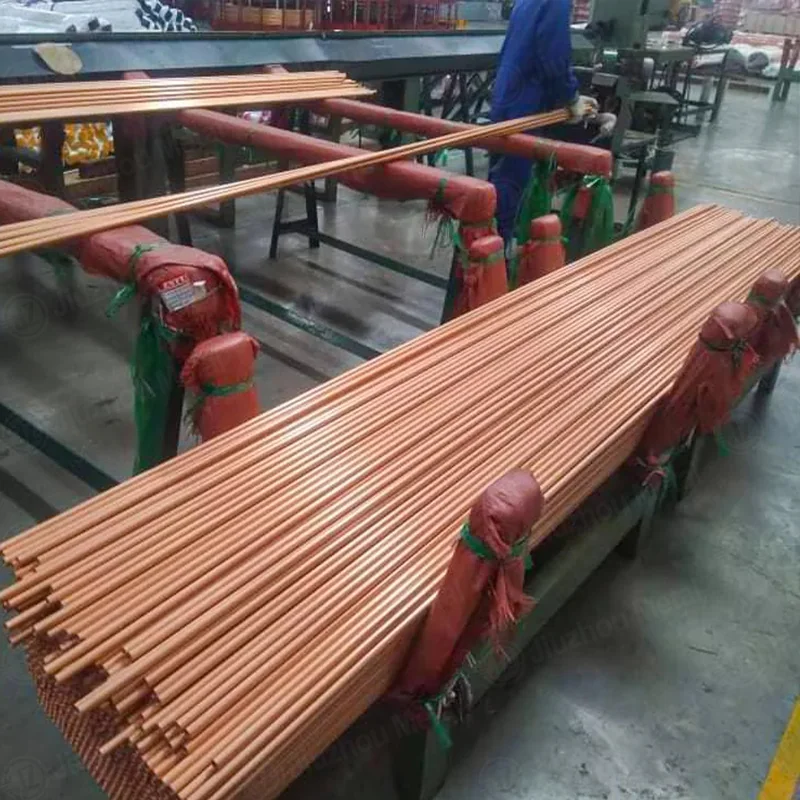
Available in straight lengths and coils, C12200 copper pipes can be supplied in various outside diameters, wall thicknesses, and tempers. The material provides good ductility for bending, flaring, and forming operations, while maintaining dependable performance in water distribution and heat transfer applications.
Sky Steel Group supplies C12200 TP2 copper pipes for commercial and industrial projects. Products can be specified to applicable standards such as ASTM B75, ASTM B88, and ASTM B280, depending on the intended application. Material Test Certificates (MTC), dimensional inspection, and quality verification support international procurement requirements.
Product Features
- High Copper Purity: Minimum 99.9% Cu + Ag content with controlled phosphorus levels for consistent material quality.
- Excellent Corrosion Resistance: Suitable for water distribution, plumbing, HVAC, and refrigeration systems.
- High Thermal Conductivity: Provides efficient heat transfer in heating, cooling, and heat exchanger applications.
- Good Formability: Excellent ductility supports bending, flaring, and forming operations.
- Reliable Brazing Performance: Phosphorus-deoxidized copper offers good soldering and brazing characteristics for secure connections.
- Flexible Specifications: Available in different diameters, wall thicknesses, and tempers according to applicable ASTM B75, ASTM B88, or ASTM B280 requirements.
Technical Specifications
| Product Name | C12200 TP2 Copper Pipe |
|---|---|
| Material Grade | UNS C12200 / TP2 / Cu-DHP |
| Copper Content | Cu + Ag ≥ 99.90% |
| Phosphorus Content | 0.015–0.040% |
| Applicable Standards | ASTM B75, ASTM B88, ASTM B280, EN 12735-1 |
| Manufacturing Process | Seamless, Drawn |
| Outside Diameter | 6–108 mm (Reference Range) |
| Wall Thickness | 0.5–5.0 mm (Reference Range) |
| Temper | Annealed, Half Hard, Hard Drawn |
| Surface Finish | Bright, Clean, Smooth |
| Supply Form | Straight Lengths, Coils |
| Applications | Plumbing, HVAC, Refrigeration, Heat Exchangers, Industrial Piping |
| Inspection | Chemical Composition, Dimensional Inspection, Applicable Pressure and Leak Tests |
| Documentation | Material Test Certificate (MTC) |
Applications
1. HVAC & Refrigeration Systems
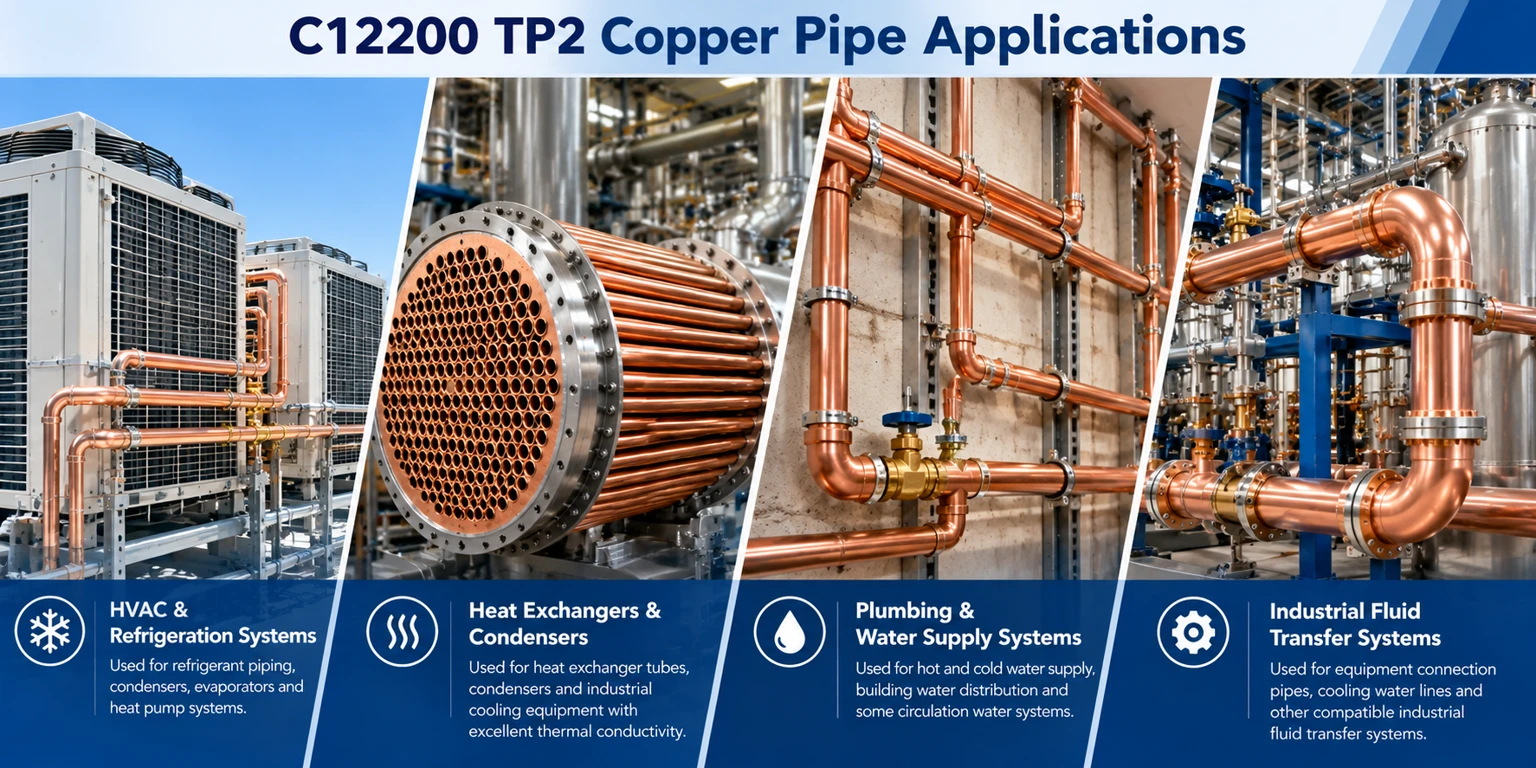
C12200 TP2 copper pipes are used in air conditioning, refrigeration, and commercial cooling systems. Phosphorus-deoxidized copper provides good thermal conductivity, formability, and brazing characteristics, making it suitable for refrigerant lines, evaporator connections, and condenser piping. ASTM B280 copper tubing is commonly specified for refrigeration applications requiring internal cleanliness, dimensional accuracy, and leak-tight connections. Tube diameter, wall thickness, and material condition are selected according to refrigerant type, operating pressure, and system requirements.
2. Heat Exchangers & Condensers
C12200 TP2 copper tubes are used in selected heat exchangers, condensers, and industrial cooling equipment. Their thermal conductivity supports efficient heat transfer, while good ductility facilitates tube bending, expansion, and assembly. Typical applications include water-cooled condensers, cooling units, and compatible thermal management systems. Tube diameter, wall thickness, material condition, and fluid compatibility must be considered when selecting copper tubing for heat transfer equipment.
3. Plumbing & Water Supply Systems
C12200 TP2 copper pipes are used in residential, commercial, and industrial building water distribution systems where copper tubing is permitted by applicable regulations. Typical applications include hot and cold water supply lines, plumbing connections, and selected water circulation systems. Copper provides good corrosion resistance under suitable water conditions and supports soldered, brazed, and approved mechanical connections. ASTM B88 copper water tubes are available in different wall thickness classifications, with material selection depending on water chemistry, operating pressure, and installation requirements.
4. Industrial Fluid Transfer Systems
C12200 TP2 copper pipes are used for equipment connections, cooling water lines, and other compatible industrial fluid transfer systems. Good formability and brazing characteristics support the fabrication of piping assemblies. Select the tube diameter, wall thickness, temper, and joining method for the design pressure and temperature. Fluid chemistry, flow velocity, and corrosion conditions must be assessed before specifying copper tubing for industrial service.
Frequently Asked Questions (FAQ)
1. What is C12200 TP2 copper pipe?
C12200 TP2 copper pipe is phosphorus-deoxidized copper tubing containing at least 99.90% copper and silver combined. It offers good corrosion resistance, thermal conductivity, ductility, and brazing performance. Common applications include plumbing, HVAC, refrigeration, and compatible industrial piping systems.
2. What is the difference between C12200 and C11000 copper?
C12200 is phosphorus-deoxidized copper, while C11000 is electrolytic tough pitch (ETP) copper. C12200 offers better resistance to hydrogen embrittlement during high-temperature processing in reducing atmospheres. C11000 generally provides higher electrical and thermal conductivity. C12200 is commonly selected for copper tubing and brazed piping systems.
3. What standards apply to C12200 TP2 copper pipes?
Applicable product standards include ASTM B75 for general seamless copper tubing, ASTM B88 for water service tubing, and ASTM B280 for air conditioning and refrigeration tubing. EN 12735-1 covers seamless round copper tubes for refrigeration and air conditioning. Specify the material designation and product standard together; requirements depend on the intended application.
4. What are the main applications of C12200 copper pipes?
Typical applications include HVAC and refrigeration systems, heat exchangers and condensers, plumbing and water distribution, and compatible industrial fluid transfer systems. Tube dimensions, temper, joining method, operating pressure, temperature, and fluid compatibility must be matched to the system design.
5. Can C12200 copper pipes be bent and brazed?
Yes. C12200 copper pipes offer good ductility and brazing performance. Annealed tubes are particularly suitable for bending, flaring, and forming. Select bending radii, filler metals, joint preparation, and brazing procedures according to tube dimensions and service requirements.
6. What sizes and tempers are available for C12200 copper pipes?
The reference supply range is 6–108 mm outside diameter and 0.5–5.0 mm wall thickness; available combinations depend on the product standard and supply form. Annealed and drawn tempers can be specified, with straight lengths or coils as applicable. Include diameter, wall thickness, temper, standard, length, and quantity in your quotation request.
7. What quality inspections are required for C12200 copper pipes?
Inspection includes chemical composition verification, dimensional checks, surface examination, and the pressure, leak, or nondestructive tests required by the specified product standard. Refrigeration tubing also requires attention to internal cleanliness, moisture control, and sealed ends. Material Test Certificates (MTC) and inspection records support verification of the ordered specifications.